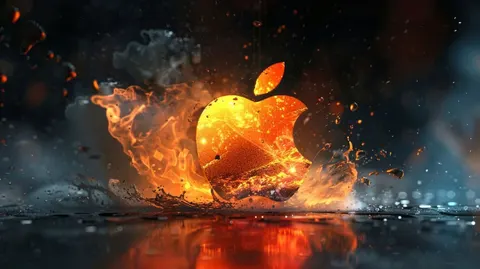
What's in Apple's Name? The Stories Behind the Web's Biggest Brands
Are Java and JavaScript cousins, and if they have nothing in common… why do they have such similar names? Why did Apple pick something as overused as the apple for its name and symbol? What on earth is… Adobe? Or Google? Does Lenovo have anything to do with Lenin? “That which we call a rose by any other name would smell as sweet,” says Juliet, as quoted by Shakespeare. And would what we call Apple or Amazon smell as sweet under another name? We can only guess. But behind the names of the online world's biggest players there are sometimes funny stories. In the lines that follow, we'll run quickly through some of the most instructive and unexpected ones.
 02
Ai-Da and the Lords: Is a Robot That Passes for Human on Its Way?
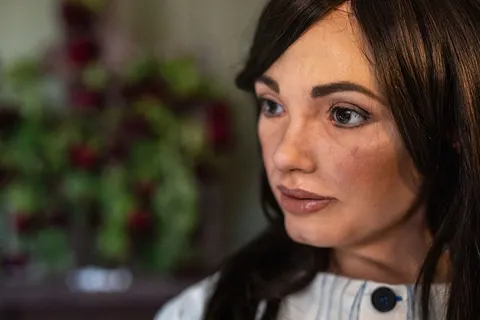
Is the time coming when we'll pass robots indistinguishable from ourselves? Is it even possible, what are the biggest obstacles, and are there dangers ahead if we succeed? The news that the innocently smiling Ai-Da dropped in for a chat with the British lords caught everyone's eye, though her colleague Sophia has long been a star of the genre, having even been granted citizenship. How far has technology come in creating the perfect humanoid robot, and is Ai-Da really so different that she can talk as an equal with the members of an almost thousand-year-old institution?
 03
Luddites, Long May They Live
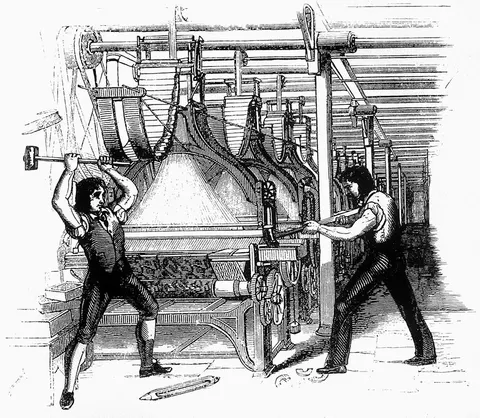
The Luddites were a British movement that rose up against the machines two centuries ago. Workers fighting for rights that had fallen victim to automation caused such chaos that Britain had to send more soldiers against them than against Napoleon's army. Technological progress is often frightening. Today, the Western world calls people who worry about the future brought by the supposedly limitless possibilities of computers “Luddites.” In that sense, we all are, or at least it is good to be, Luddites to some degree. What does the history of the skeptics' battle against technology look like, and was it always doomed? What changes if we look at it from the vantage point of today and the questions our time raises?