The Lifelogger: Recording Every Moment of a Life
Remember when we used to collect all sorts of things: stamps, napkins, postcards, photos… even memories? The year is 2000. One of the great scientists of his time begins an unusual experiment. Day and night he will wear a camera around his neck that records every moment of his daily life. The idea is to miss nothing! His life will be captured and duly documented, so he can go back to any moment of it, and why not… one day relive it virtually? Gordon Bell is a world-famous computer scientist, and one of the most prestigious awards in computing bears his name. But the experiment he undertook—recording every second of his life—gives us far more today than his scientific research. One way or another, it shows where we are all headed. His idea sounds like a joke… because it has already become everyday practice. Yes, we leave a huge trail online of every minute we live. And it doesn't impress us, doesn't please us, doesn't even make us ask what the consequences might be. Do you dream of remembering every important moment of your life? The first kiss, your newborn's first smile, that unforgettable meeting that showed you how to change your life? Today it is easier than ever. And at the same time harder, more challenging, even… more dangerous.
 02
Where Do Bulgarians Come From—and Why Are We Still Fighting About It 1,500 Years Later?
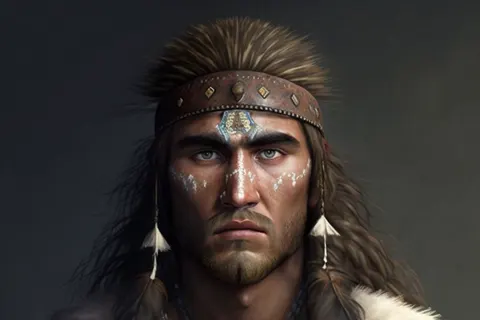
Where do Bulgarians come from? And why are we still fighting about it 1,500 years later? History is now a different story. But what do historians think? Alexander Moshev is not afraid to provoke on matters of the past, while sticking to the rules of science. The past divides us the way only politics and sports can. Why? Can that change? Today's guest studies both the history of the Bulgarians and the way we try to explain and interpret it today. What does science know today about our origins as a people? Why, so many centuries later, do they become a pretext for “bloody” clashes online? Is the end of history approaching, and how will it be changed by the fact that each of us now leaves behind an enormous amount of data? We will also talk about the parallel “history” being born on the internet. About the forgotten heroes of the past. About how world fame fades and when it is worth seeking a different point of view.
 03
The Internet of Forgetting
Do you know the capital of Madagascar? Who cares—if for some reason you ever need it, the omnipresent Google will tell you everything about it in three seconds. Not so long ago we all “carried” the phone numbers of family and friends in our heads. The web has forever changed our relationship with knowledge. Storing facts is no longer a priority for our brains; today the ability to find what you need quickly and accurately has replaced actually knowing. What challenges does this shift create? Why does it bring both serious opportunities and countless risks? Is it changing us even… as a species?