The Digital Prophet Who Came to Hate the Internet
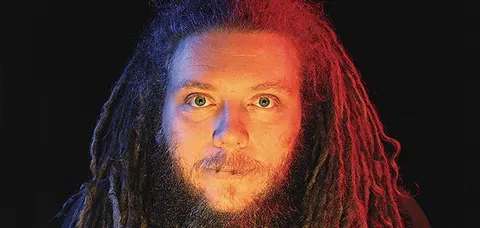
“You are not the customer of the internet giants, you are their product.” “Social media is worse than cigarettes. Cigarettes don’t make you degrade. They kill you, but you still remain yourself.” You will hardly believe that these words belong to one of the pioneers of today’s digital world. Jaron Lanier popularized the term “virtual reality” and created the concept of avatars. His path crossed those of Richard Feynman, Marshall McLuhan and Andy Warhol. For a long time he was at the height of fame, on first-name terms with Steve Jobs, Sergey Brin and Bill Gates. In a single afternoon he personally showed his pioneering virtual reality goggles to the Dalai Lama, Leonard Bernstein and Terry Gilliam. And today he is a preacher of sorts, speaking out against the flaws of the digital world.
 02
The Cat and the Quantum Computer
Quantum computers have been one of the most talked-about technology topics of recent years, and the biggest companies in the IT world are locked in a furious race to build working prototypes. More and more people say that they are the next step of the technological era. Yes, the subject is rather complicated, especially when you try to explain it in plain language, but let's give it a go!
 03
Steve Jobs Is Risen!
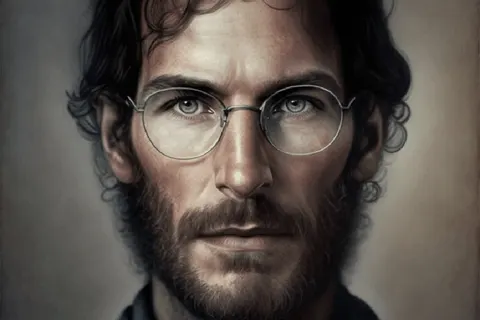
Did you catch Steve Jobs as a guest on Joe Rogan’s podcast a month ago? Oh, it was fascinating. “Computers have the power to be 1,000 times more important than they are today. I throw my computer out the window every few years just to make sure it works.” Steve was in his signature form, visionary and funny, as he told some truly curious stories from the history of Apple. But wait… didn’t Steve Jobs pass away? So what? The interview is perfectly real. It was generated by artificial intelligence. What’s the big deal, it’s interesting, isn’t it? Want to chat with Einstein? No problem, technology makes even that possible. Are we ready for the moment when computers can imitate us so well that we won’t be able to tell ourselves apart? How is it possible, and is it right, to try to “resurrect” people by creating, one way or another, copies of them that are indistinguishable from the original?