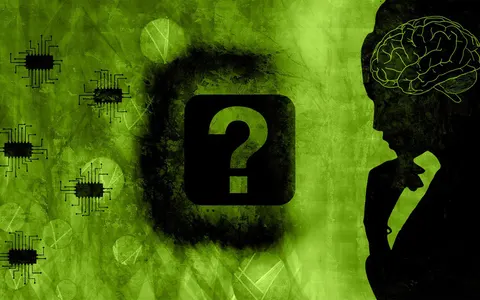
Singularity: When Computers Become “Smarter” Than Us
Computers keep getting faster and more sophisticated, and at some point they will move beyond our ability to judge them. That point is called the “technological singularity,” and according to Ray Kurzweil, the researcher who popularized it, it will arrive in 2045. Some consider him a brilliant forecaster, others a charlatan. Either way, it is worth asking whether, at such a moment, artificial intelligence will help us solve humanity’s eternal problems—or enslave us…
 02
Artificial Intelligence and Ethics: 10 Big Questions
The astonishing progress in artificial intelligence is a fact: technologies like ChatGPT have made it clear that scientists have taken giant strides, and these will go on producing big news. This has pushed the ethical side of such work to the forefront, and the answers may prove vital for each of us and for us as a species. While the European Union and the major powers prepare some form of regulation, the AI revolution is already unfolding before our eyes. What are 10 of the most important questions we should be asking more and more often?
 03
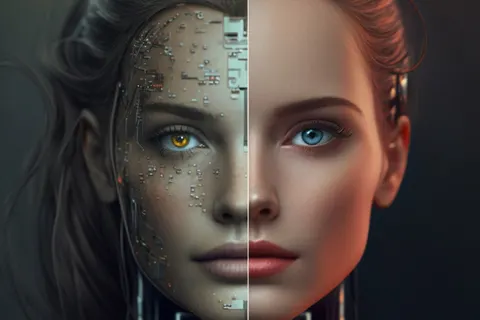
RoboGod: What Should Artificial Intelligence Believe In?
If one day we create a technology indistinguishable from a human, will it… believe in God? What will its God look like? Might it try to become God itself? Or… simply be God? Technology and religion have always had a complicated relationship. But will they find the road to the future and to the survival of the human species together?
 04
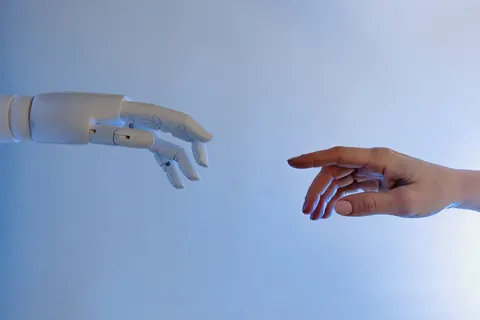
When Musk Puts a Chip in Our Brains…
“It’s very important that artificial intelligence not be ‘other.’ It must be ‘us.’ That’s the only way we survive,” says Elon Musk. To get there, he has launched Neuralink, an ultra-ambitious project whose goal is for us to merge with machines: a tiny chip in the brain that makes us part of the global network. Is this fantasy, or the only chance for the human species to survive?