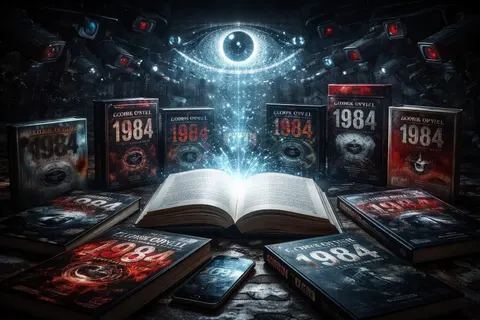
*1984* in 2026: Was Orwell Right?
Eleven editions since 2021. That is how many new versions of one of the most discussed books of our time have appeared in Bulgarian alone over the past five years, ever since the 70th anniversary of George Orwell's death “opened” the publishing rights. Are we really living in Big Brother's world, or did Orwell turn out less accurate in his judgments than we think? Let's discuss this big and important question, because it also says a lot about the future.
 02
Yevgeny Zamyatin: The Forgotten Prophet
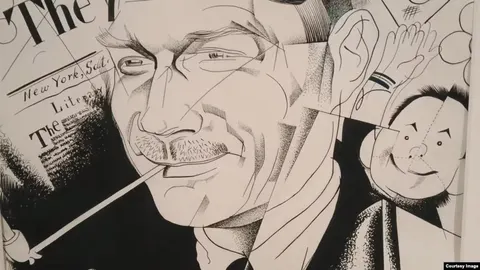
Yevgeny Zamyatin’s We is a brilliant novel because it offers a glimpse of a future in which technology has defeated humanity, locked people in its mathematical grip and turned them into numbers, into tools. We often mention Orwell and Aldous Huxley, and rightly so, but this writer inspired them both. His only novel is a dystopia no less thought-provoking than theirs, because it looks not so much at a possible totalitarianism as in a direction that is even more relevant today.
 03
“We Don’t Appreciate That We Live in the Best Moment in History”
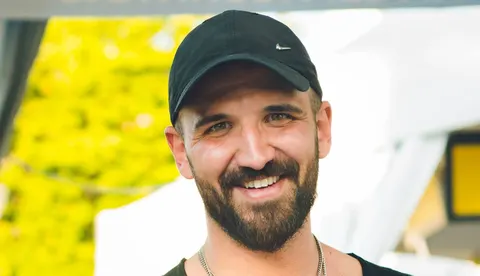
“People don’t appreciate that we live in the best moment in human history. We have advanced medicine, transport, communications… everything, everything you can think of. To have the chance to travel the whole world without restrictions and not take it is a crime against evolution. Because it won’t last forever. Covid, wars, regimes, diseases… Right now we are in a perfect situation, where the biggest problem is that Windows computers freeze for 8 hours and your flight gets pushed to the next day.” We’ll talk about the joy of writing and the need for hardship in life. We’ll travel around the world, through literature, through the big issues of the day. With a man who truly loves to travel like nothing else—he has lived on 4 continents and visited more than 40 countries. Abo. He chose a name that sounds like an AI’s. He trained in criminology, teaching and psychology, and today he is a writer—the author of two books, an editor, a translator and a journalist. But how come, and why, is he called Abo? And why does a subject of King Charles III, after so much travel, choose to come back to Bulgaria, which he considers a balanced, happy, cozy place?
 04
Literatron: ChatGPT in… 1964?!
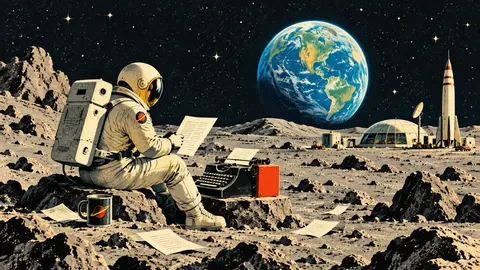
Have you heard of the literatron? It is… a machine that produces text on a user's instructions. It analyzes texts, writes bestsellers, composes campaign speeches, assembles comics and threatens to shrink the language of the media to 500 permitted words. Nothing new, right? We all have AI now, and these plots are everyday life; only that word “literatron” sounds a little retro. Why it does becomes clear when you look at the date on the cover of a slim little book that it is no exaggeration to call prophetic. The novel Le Littératron by the Frenchman Robert Escarpit came out in 1964 in the series Le Meilleur des mondes. But does the invention really resemble large language models? To put it mildly.
 05
Another History
“Who controls the past controls the future,” says a book we all race to quote. And also: “Who controls the present controls the past.” As we delegate more and more of our memory to technology, life will keep getting easier. As we seek our refuge from time in our own bubbles, this will bring us together and pull us apart. But can today's technology change history? Can it cross out and rethink events from the past? Can we harness artificial intelligence for a more objective view of history in all its periods? Why does the past turn out to be an eternal subject of online quarrels? How does the technology of the future change the past… and the other way around?
 06
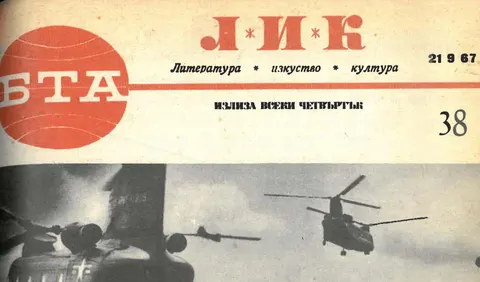
“A Machine Cannot Be a Poet”
Can a machine learn to write like Pushkin? Or is it leading us into Orwell’s world? This text was published in the September issue of LIK magazine in… 1967! Yet, as you will see, many of its ideas sound as if they came from the future. “The writer-machine? It keeps in its memory a vast store of words and has perfect command of every subtlety of grammar and style; it knows all the organs of sensation and all the ways of writing that writers have developed over the last 3,000 years. This ‘writer’ observes, memorizes phenomena, reasons, processes the data reality gives it. In the end it writes books, and we, reading them, are thrilled, but… we remain cold.” Is Dmitry Zhukov, the author of these lines, right? There is no way to ask him. But, as you will see, his point of view has a lot to say about our own day too. In search of answers to the big questions that move us—about technology and humanity, about poetry and creativity, about “automatons” and true creators…