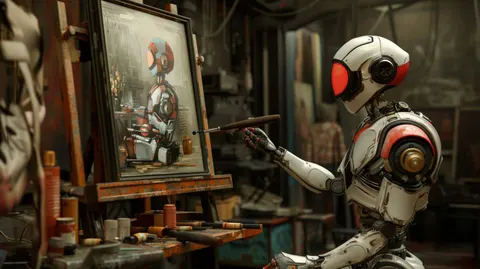
“Computers Will Be Superb at Manipulating Our Feelings”
“Do you think there will one day be an AI capable of laughing and crying?” “No, but it will be capable of making us laugh and cry.” “And that computers might one day have feelings?” “No, but they will be superb at manipulating ours.” For 30 years Prof. Julita Vasileva has studied computers and the world they created. As a scientist, she was lucky enough to land in a field that went through an incredible rise; as a teacher, she has witnessed how several generations relate to technology. Prof. Vasileva knows and studies the technological side of the computer world, but she pays even more attention to its social side.
 02
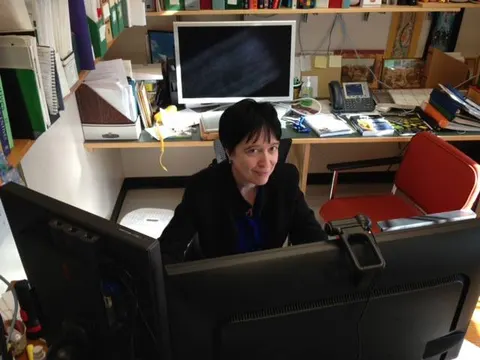
“We’re Already Generating a Tremendous Amount of Chaff”
Can we stop the cognitive decline that comes with the enormous progress of artificial intelligence, and how? Can the pendulum of cognitive decline, of over-trusting technology, of a broken public conversation swing back, and how? We pit the optimistic and the pessimistic views against each other on the biggest question this site exists for. Prof. Julita Vasileva is a world-renowned researcher in computer science and in our interaction with technology. We met five years ago to talk about the filter bubble and about the way we interact and get informed online. Today she is researching an equally important and even hotter topic: can we turn the techniques of online manipulation against their creators?
 03
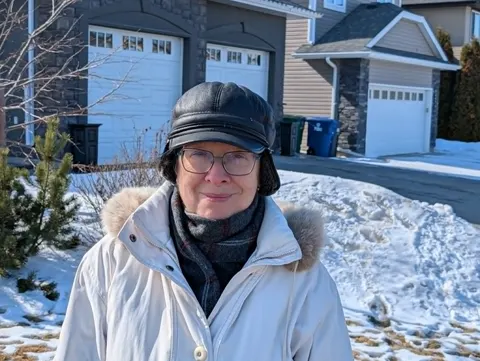
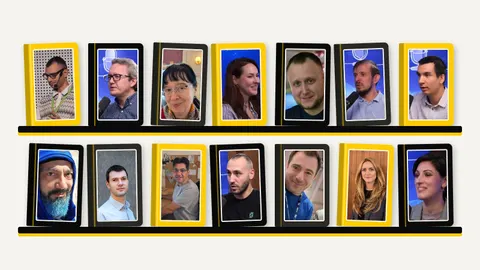
“Why We Sleep”: IT Leaders’ Book Picks for Buditeli Day
A successful entrepreneur, visionary and philanthropist. A professor of computer science in Canada. A Frenchman who has lived in Sofia since 2008 and makes games. A team lead who also takes hiking groups out as a mountain guide. What could their favorite books be?
 04
Where Did All the Hate Come From? Is There a Way Out?
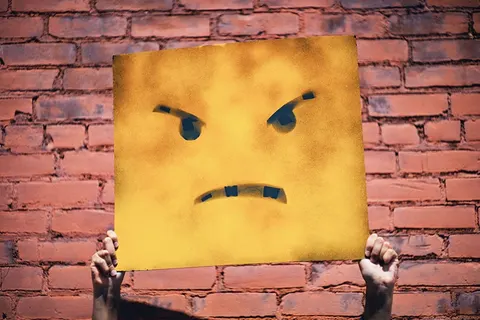
I've read the headline, and I already hold an extreme opinion. Time for a nasty comment—let the hating begin! But where did all this aggression come from, why must we answer rudely even when we merely disagree with the person behind the other profile, and is there any way to save ourselves from the exhausting hate of online conversation?
 05
Inside the Bubble of the Like-Minded
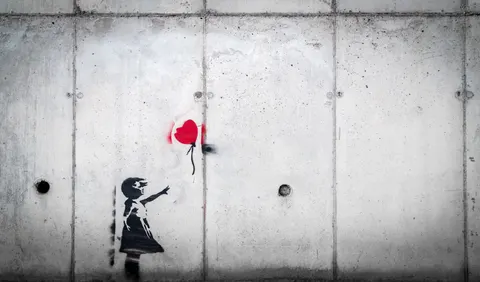
All the big websites look after us almost like parents: they pick the most suitable content for us and save us time and effort. But this is turning into a serious problem for society. The filter bubble makes us more closed to other opinions and more aggressive, drags many of our ugliest traits into the spotlight, and robs us of the nuance and beauty of communication.
 06
Happy Birthday, Digital Stories. Time for Presents!
Exactly a year ago, on March 1, 2021, the Digital Stories site was born: a small island of essays and reportage about the latest technologies and the challenges they put in front of us. Together we set out on a journey where two worlds meet, the humanities and technology, in search of our shared future as a species. Now it is time for a short look back at the year, and then for presents. They are definitely worth it!
 07
Can Algorithms Make Art? 15 Viewpoints That Matter
Can algorithms create? Is artificial intelligence a tool or an author? Could AI give birth to the arts of the future, or has creating already become a pointless pursuit? What will we do when its works in every field become indistinguishable from ours? For three years now, I have been collecting viewpoints on this site about the big questions of today's technological day. I believe it is vital to bring more and different voices into the discussions on important topics, and art and creativity is unquestionably one of them. Here are 15 of the most interesting and substantial opinions I have gathered in that time. Do the words of tech people, writers, artists, clergymen and… tomcats contradict each other, or do they complement one another?