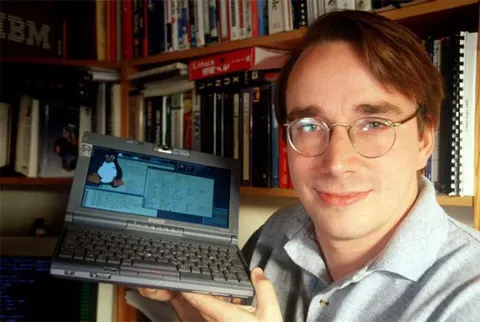
Linus the Lionheart
“Nobody has ever told me I'm cool. I'm just the thing halfway between a normal person and a tech geek,” says Linus Torvalds. The computer engineer is surely one of the heroes of today's online world: the projects he created, Linux and Git, laid much of the groundwork for life on the internet as we know it. What kind of man is Linus? How does fame sit with him? And what does it feel like to start… an accidental revolution?
 02
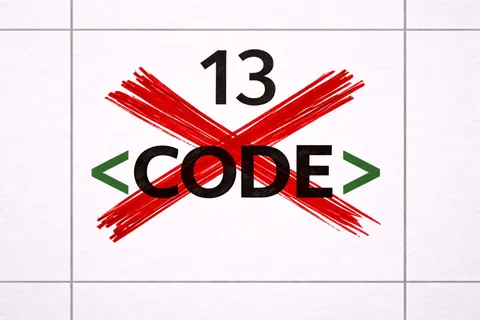
The Day Programmers Stopped Writing Code
In just one month, some of the undisputed authorities from different generations and corners of the computer world rallied behind the same idea. Today, humans no longer need to write computer code, because artificial intelligence already does it better than we do. This Digital Story matters not only to the tens of millions of programmers but also because it is a powerful example. It is unfolding in the software world, but there is no reason it won't repeat itself in every other field where AI is arriving more slowly, yet just as relentlessly. Maybe it's time to “get off” our keyboards. But… what do we take up then? What will programmers do when they no longer write code?
 03
A Generational Question: Digital Leaders and the Cult of Personality
Who have been the most striking figures in public life over the past few decades? The ones we would least expect, if we believe the stereotypes—the people of technology. From Bill Gates, whom the whole of conspiracy-minded humanity turned into the chief culprit behind the pandemic, to Elon Musk, who, while “saving” our freedom of speech, is our last real hope of rising to the stars as a civilization… Yes, the cult of personality is going through a rather strange apogee in the digital age. Politicians long ago lost their magic as interesting personalities, artists tend to stay focused on their particular audiences… while the celebrities of technological progress have become the powerful figures of the new era. Is it because technology is today’s magic? Incomprehensible to many, transformative, alluring… Are the powerful figures of the digital age supermen? Do the innovators get the fame they deserve, or do the idea thieves thrive? What do the representatives of different generations share, and what sets them apart? We meet some very different digital stories…
 04
EI + AI: Shoulder to Shoulder, Neuron to Neuron
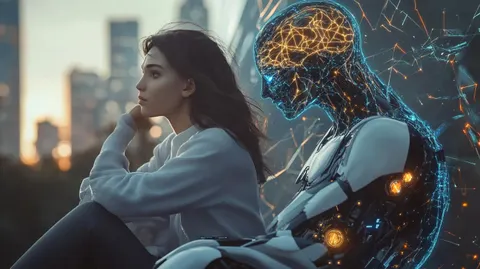
While we pelt each other with clichés and argue online about whether artificial intelligence will enslave us, leave us jobless or vanish under the weight of enormous expectations, I, for one, am sure it will do none of the things on that list—and a little of all three. AI is here, and we still haven't decided how to greet it: in the economy, in our lives, in the way we see the world and ourselves. The only sensible approach from now on is to learn to work together.
 05
What's in Apple's Name? The Stories Behind the Web's Biggest Brands
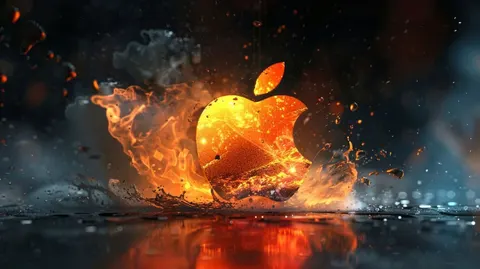
Are Java and JavaScript cousins, and if they have nothing in common… why do they have such similar names? Why did Apple pick something as overused as the apple for its name and symbol? What on earth is… Adobe? Or Google? Does Lenovo have anything to do with Lenin? “That which we call a rose by any other name would smell as sweet,” says Juliet, as quoted by Shakespeare. And would what we call Apple or Amazon smell as sweet under another name? We can only guess. But behind the names of the online world's biggest players there are sometimes funny stories. In the lines that follow, we'll run quickly through some of the most instructive and unexpected ones.
 06
32 Digital Stories Between Two Covers: What Lies Ahead?
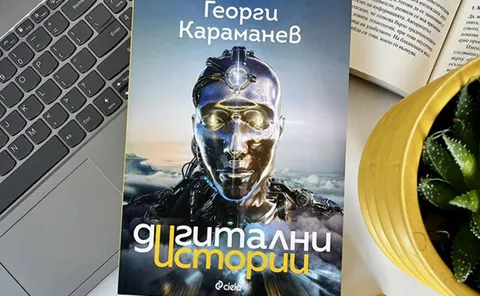
The book Digital Stories brings together 8 big questions of our time and 32 stories in search of the answers. You may have read some of them on this site, and here you will find them updated and enriched; others were written especially for the book. Perhaps you have already drawn back the curtain of the cover? Then I would be absolutely delighted to read your thoughts here. If not, here is what awaits you behind it!