A vast archive that gathers short memories, thoughts, sounds and snapshots from the everyday lives of each and every one of us. To stand against oblivion, against apathy, against grayness. To show that every person has a meaningful story of their own, one that can touch someone else.
Sounds inspiring, doesn't it? It doesn't just sound inspiring—it truly is, and very soon we will see the idea turned into reality. So that it can start piling up meaningful human stories with the help of each of us.
The Estorium project was born as the personal dream of the film director Atanas Hristoskov. With stubbornness and conviction, for several years now he has been sacrificing all his other projects and pouring enormous effort into it, all just to bring to life a platform he considers the most meaningful undertaking of his life.
The Rest Is Estorium
The digital story of Estorium… sounds a bit like a tautology. The similarity between the names of the two projects turned out to be pure coincidence. But not the core idea, the core meaning: to tell meaningful human stories through, or because of, modern technology.
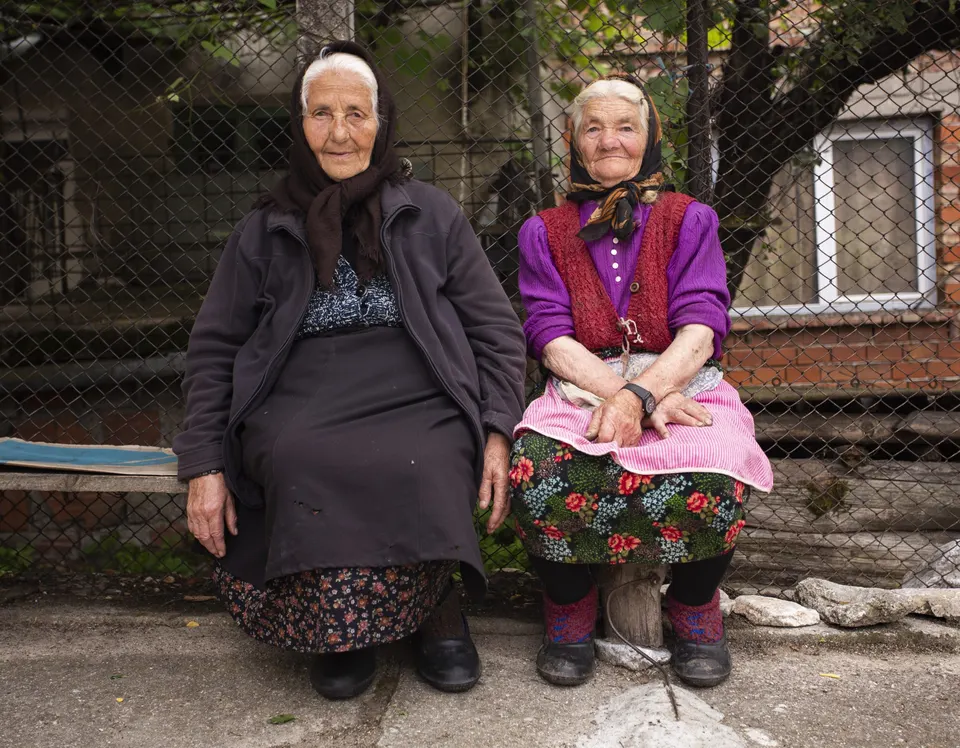
So picture a map that includes your own apartment block. You click on it and start visiting the people you know, floor by floor. The archive holds a video in which your elderly neighbor shares touching memories from when she was a girl; the kid next door uploads a virtual reality clip from the bike he does loops on. The neighbor across the hall has been recorded singing his favorite song, the one you've only ever heard him perform in the shower, through the shared ventilation shaft…
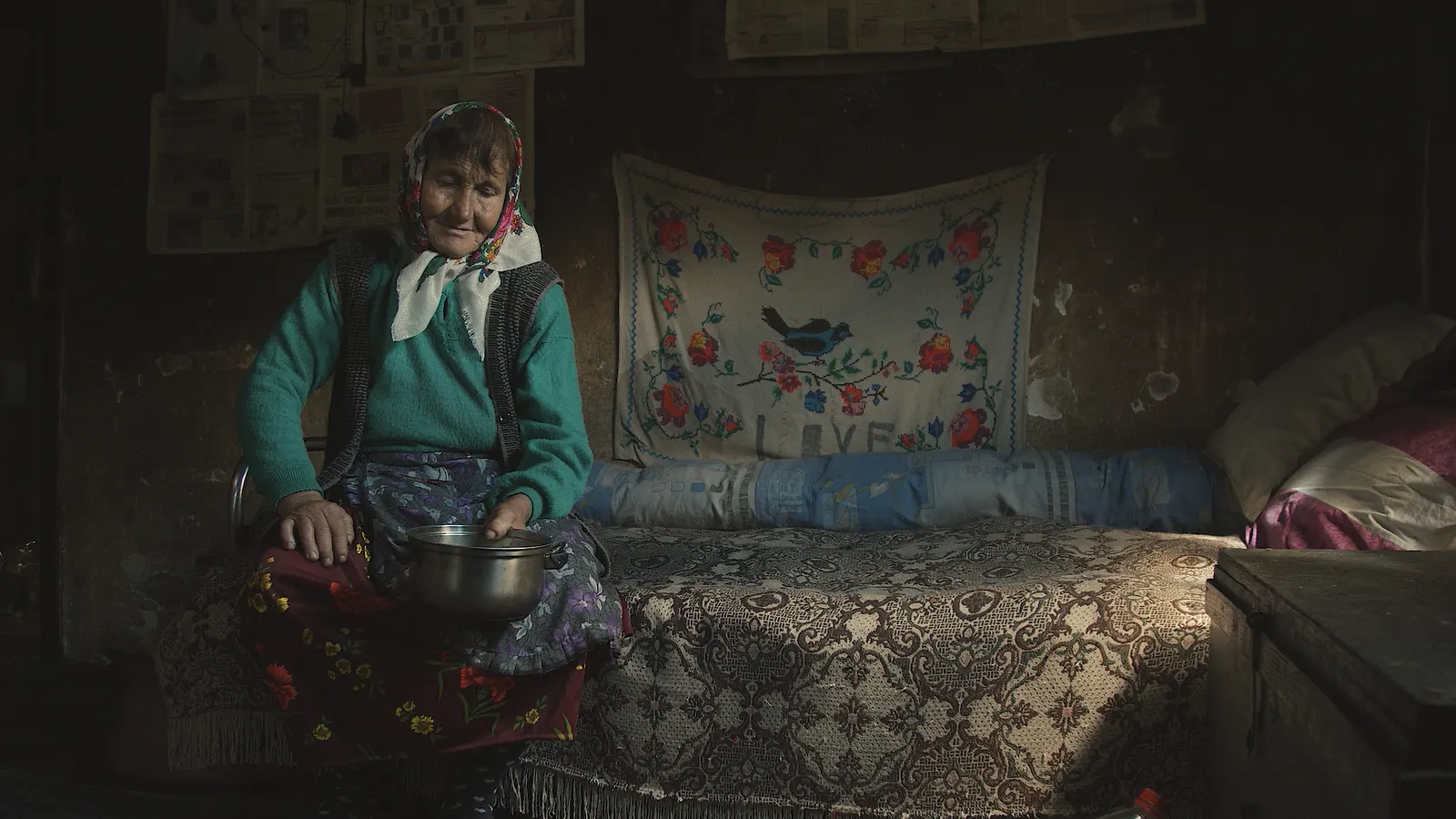
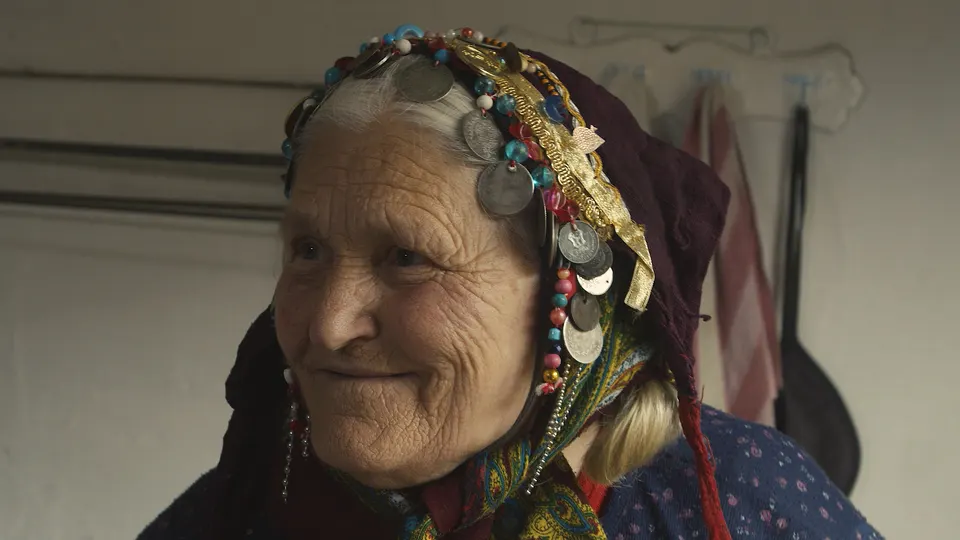
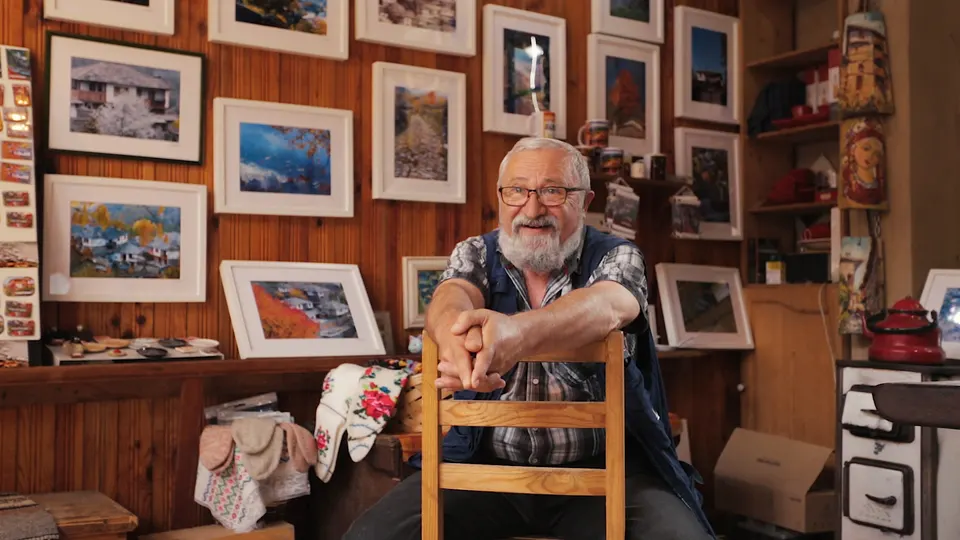
Or you decide to take a stroll to a remote village to hear the enchanting tales of its grandmothers and grandfathers. They are gone now; the little village has been left without a single inhabitant. It lives on only in the digital memory that managed to preserve the stories, the characters, the legends and the songs of its former residents.

The e-Noah's Ark
Little by little, the map covers more and more land, more and more people, accumulating meaning. An endless human digital archive. And a priceless one, for the meaning it carries.
All this and much more is what Estorium can become. The undertaking is extraordinarily ambitious, so much so that it sounds downright unrealistic.
But only until you see the enthusiasm and conviction in the eyes of the team, which can't help but make you believe that nothing is impossible. That this project will very soon grow into a huge event. Into a treasury with the potential to quickly outgrow the borders of our country.
The official Estorium platform will launch in September. The first human stories will be uploaded to it, to mark the beginning. The beginning of a digital anthropological archive in which, as the authors write on the platform's website, “we want to preserve the living image and the spiritual imprint of millions of human beings.”
The plan is for the team to tell the first sample stories. After that, anyone with the desire and the skill can join in. Professional or amateur. They will only need to stick to the basic framework set by the team—for example, every video must be between 2.5 and 5 minutes long. After all, today each of us carries in our pocket the technology needed to make a decent enough clip.
A Grain from Everyone, Online
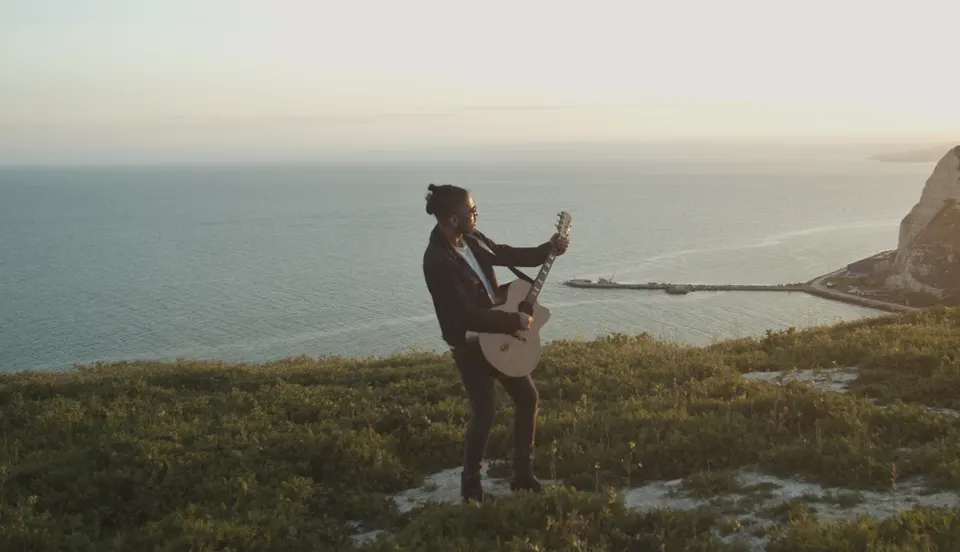
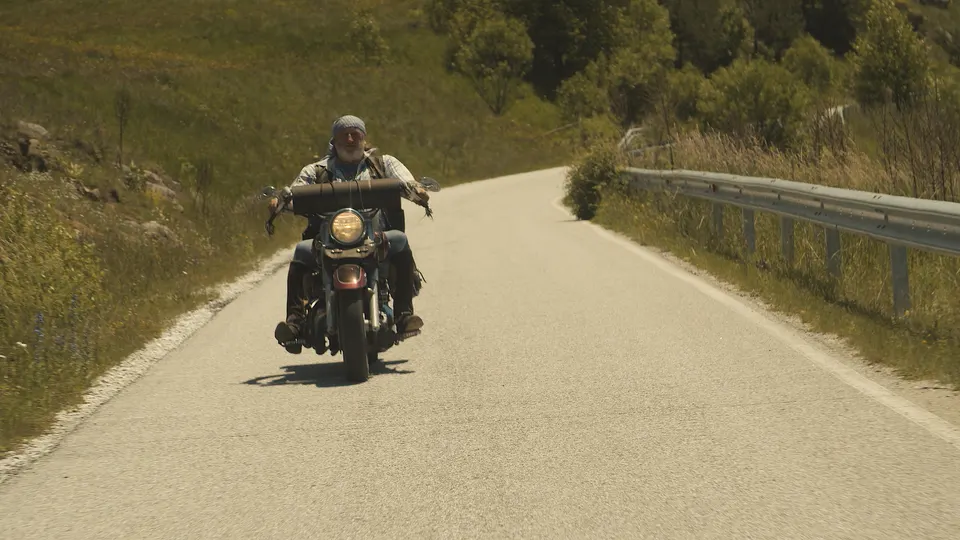
The presentations will take the form of documentary portraits and authentic stories. The idea is to show people in their natural environment. This will be done through video, audio, photography, text and… virtual reality. Each story will be tagged with the main categories, so that the enormous library stays organized. Easy to search by names, topics, locations, demographics. By date, by the person's place of birth, profession, hobby. The content will remain free and open to everyone for as long as the project exists.
Training videos are also being prepared to help people prepare and upload the story they have chosen. Whether it's video, audio, photos or text.
That way, everyone will be able to tell something about the lives of their loved ones, or simply of people who have impressed them. To make it available to the sea of users online who value powerful stories… And is there anyone that doesn't apply to?!?
The project will also include the stories of people who are no longer with us. All it takes is preserved video or audio material that touches on who they were inside. Naturally, in such cases the framework of the various formats won't be applied as strictly.
Against Oblivion
We've praised the team quite a bit already (and with good reason), so now let us introduce them briefly. The board includes Dragomir Dimchev, a cinematographer with a degree from the National Academy for Theatre and Film Arts (NATFIZ) who has shot for National Geographic, and Martin Balkanski, also a cinematographer, who carried the main weight of the work on the films A Dose of Happiness and 18. The creative projects manager is Velianna Kasheva, who holds a bachelor's degree in journalism from Sofia University “St. Kliment Ohridski” and a master's in Film and Television Art from New Bulgarian University (NBU).
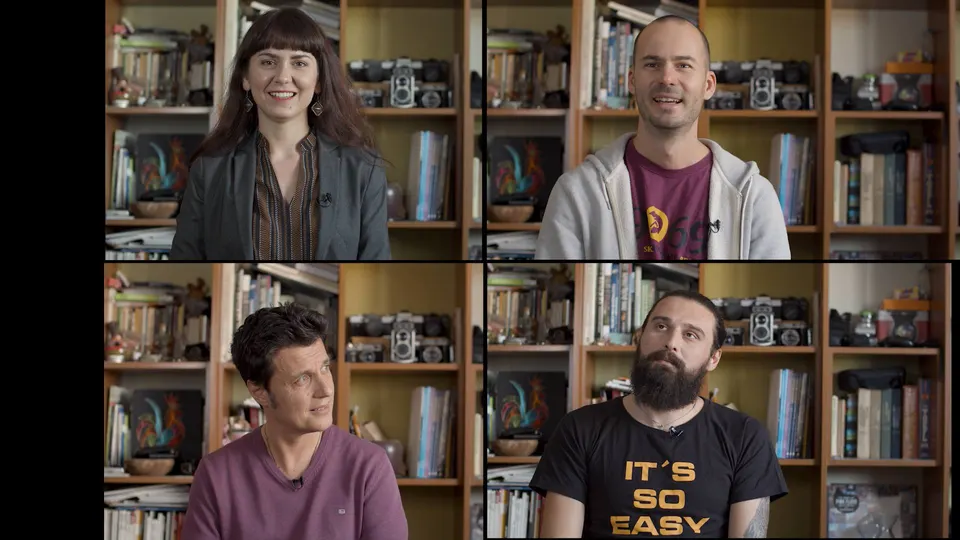
The engine, initiator of the project and founder of the Estorium Foundation is Atanas Hristoskov, who studied economics at the University of National and World Economy and film directing at NBU. His feature debut, “N1,” won the Golden Rose, the top prize at Bulgaria's national film festival, for best Bulgarian feature film in 2011.
Although no one on the team has experience specifically in the world of anthropology, they aren't shy about using the term “anthropological archive,” because they seek the opinion of specialists in the field. Soon, some of the cultural studies students at Sofia University are even expected to document stories for the archive as part of their practical coursework.
A Library of Destinies
Work on the first projects is in full swing. One of the pilot videos Estorium will launch with is about Radostin from the village of Barutin. We have already told you on Digital Stories the impressive story of this 15-year-old who is developing an artificial intelligence that will let us use the vast possibilities of technology in Bulgarian. It is also one of our most-read pieces, prepared with the help of Estorium.
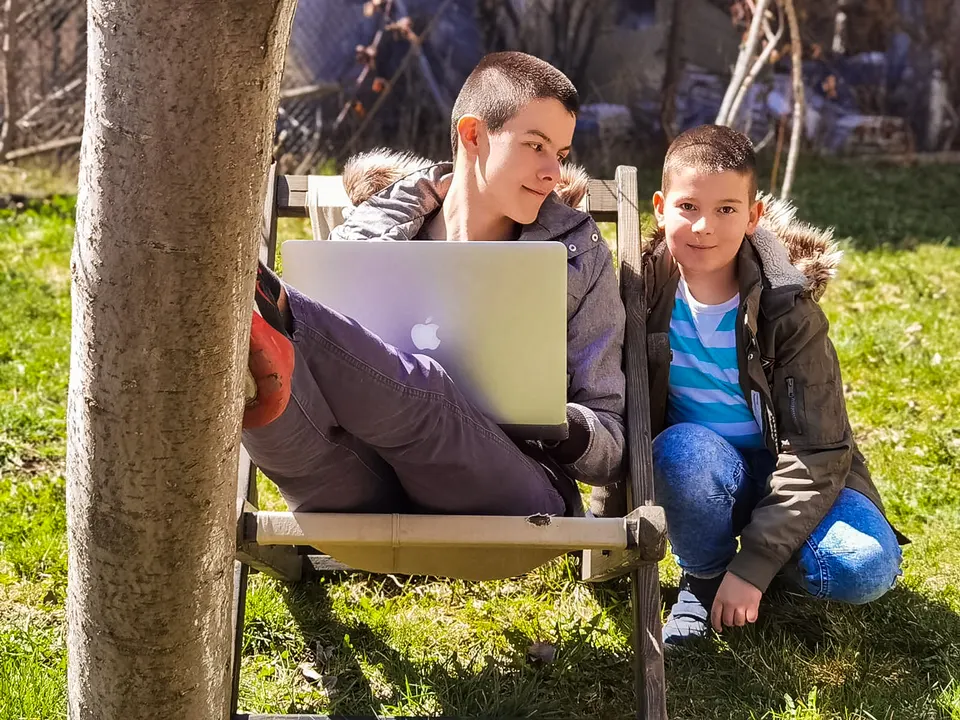
At first the team started without much of a plan, but new stories keep arriving, ones that catch their attention and are worth telling.
The project will launch with around 100 short films and 50 virtual reality videos. As Atanas describes them, the latter are “simply little pieces of unedited reality. The camera is set up for three minutes in the person's home, and we see them going about their daily routine. Last week we filmed a photographer—he was arranging his gear, doing lighting tests. At one grandmother's place we see the beans simmering on the hot plate while she watches TV.”
And how did the idea come about in the first place? “I think, step by step, the desire to do something meaningful took shape in me,” says Atanas. And the form of the project itself, a digital anthropological archive, came somehow naturally.
“It seems to me that this is something very big, both as an undertaking and in its meaning. Every person I present it to says the idea is very good. It's very strange that no one has thought of doing it until now. But I realize it truly deserves to be organized on a large scale. For these stories to become millions, for the project to become international,” our interviewee says, making no secret of his ambitions.

Living Memory
The first story Atanas and the team are preparing is especially moving for him personally. Because it is about his 95-year-old grandmother, the woman who raised him. “I realized that we were setting out to collect the stories of random people, and yet first and foremost I wanted to preserve those of the people closest to me. I think that's the honest thing to do.
The experience was magical. My grandmother is quite old; part of her is no longer here but somewhere back in the past. She peered in there and told me things that happened almost 100 years ago. Her first memory was of the 1928 Chirpan earthquake. Water was gushing out of the well, everything was shaking. She described in great detail how frightened she had been. Then she sang some songs she has remembered for literally 80 to 85 years; she learned them as a child. That moved me tremendously,” says Atanas.
One of the project's main goals is to preserve stories that will soon vanish forever. But also to bring to light meaningful moments that none of us would otherwise think to ask our friends, our loved ones, our grandmother and grandfather about.
There are plenty of ideas for how the project could grow. The goal is to have stories from absolutely every settlement in Bulgaria within four to five years. The people from the first recordings will probably be sought out again a decade later, to see what has happened to them.
“This isn't Facebook or Instagram, where we post stories every day,” says Atanas. “But every 10 years is a step we want to follow. To go back to the people, to see how their answers to those fundamental human questions that move us have changed. What makes them happy? What are the important things that have happened to them?”
It Is Written in Time…
Of course, there is a long road to travel before getting there. The team's enthusiasm isn't fading; it grows with every new story. Funding, however, is another matter. The people at Estorium sincerely hope to find sponsors soon who will appreciate the great prospects of the digital archive. Talks are under way with quite a few potential advertisers, but they all want to see the finished platform before making a more serious commitment. For more than a year now, the team has been bringing the idea to life with its own money, and any help right now is especially welcome.
“At the moment there really is no similar project anywhere in the world,” says Atanas. “As an overall concept, in the number of formats included, in the options for filtering the accumulated information.” A kind of equivalent is the Archives of the Planet from the early 20th century, funded back then by a single man—the banker Albert Kahn. Tens of thousands of photographs were collected from all over the world. That is why the Estorium team also hopes to find the right support to complete the undertaking.
Deep in the Present
“The project is an example that technology can give us very valuable things. If it touches what is human, what is humane, and helps us peer one step beyond, into ourselves, to see something new, I think it's a very fine thing,” says Atanas.
“Estorium is a chance to reach very deep into people, for them to tell us things that would otherwise stay locked up inside them. I don't think we've lost the need to listen to and read stories. We're all a bit like cave people; we need to sit down by the fire and have someone tell us a good story. It warms us just as much as the fire in the cave.”
“Every person is interesting—that is the idea and the philosophy of Estorium,” our interviewee says as we part. “Every person, with their life experience, with their unique experiences, is valuable. And everyone has a grain that deserves to be preserved and passed on.”
I don't know about you, but I can't wait to dive very soon into the digital archive, into the treasury of stories the Estorium team is preparing for us.