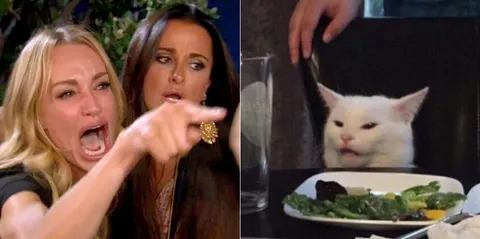
The page Squatting Slavs in Tracksuits is one of the most delightfully funny things you can inflict on yourself online. A place where anyone connected in some way to the Balkans, to Eastern Europe and the Slavic world simply cannot help but smile. Because with a fine, pleasant sense of humor, the memes capture the familiar wonders of the East that are dug deep into every one of us. Warmly, good-naturedly, without malice and with a pleasant dose of self-irony.
Perhaps you are among the page's 1.2 million followers on Facebook? If not, it is definitely worth a peek.
What kind of people stand behind this page? What, in their view, manages to make visitors from the otherwise so different countries of the Eastern Bloc laugh so successfully? Why can the mutri—the thick-necked racketeers of Bulgaria's 1990s—the doting “babushkas,” the reverence for Adidas and the wacky low-budget solutions to everyday problems turn into viral memes? How do you explain all this to someone from the West?
Well, the story of the page and the answers I got are definitely worth reading.
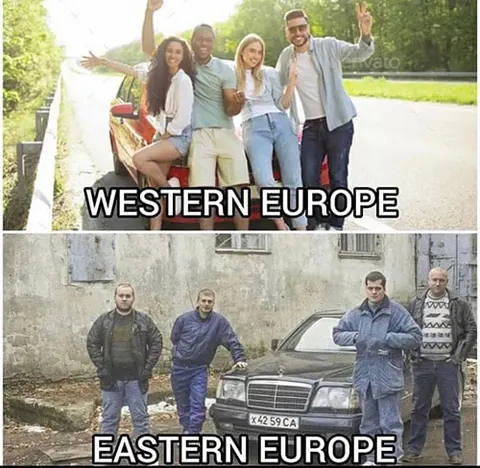
Balkan Syndrome
The page replies to my interview request right away. Soon I am in touch with the other side, and it turns out that… it is a single young man who has been building the profile and its “relatives” since 2015. He puts colossal effort into creating and collecting memes, and thanks to that effort he now makes millions of Eastern people smile every day.
He tells me who he is and where he is from, but asks me to keep that information to myself; he prefers to be associated with the profile he has created.
In fact, Squatting Slavs in Tracksuits started out as a forum for sharing memes. Later, however, for reasons that are not entirely clear, Facebook shut it down, and the page and the other profiles remained the only places where the young man shares.
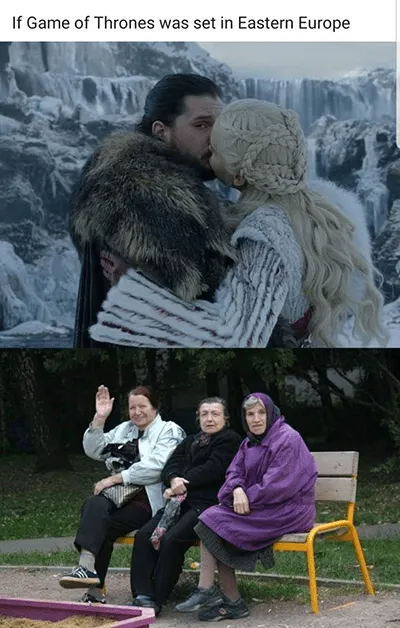
“We Slavs, we Eastern people, are used to hardship,” says the creator of these jokey yet touching pages. “We are born poor and every day we have to try to make money and do ‘big business.’ Nothing is guaranteed to us and nobody helps us in any direction, even though we are obliged to pay our taxes. We are used to a hard life.”
Far more things can make us in the East laugh, because we have a more developed sense of humor, he says. “And even when we have serious problems, we find a way to joke about them.”
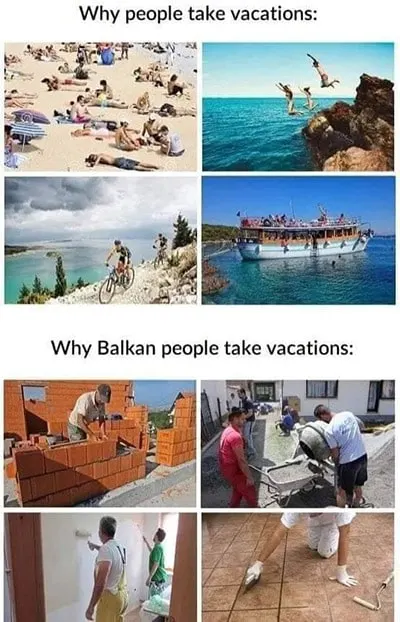
A Name Straight from the Pickle Jar
Wondering where the strange name comes from? Actually, the explanation, like much of the page's humor, comes from the 1990s, in some respects a far more carefree decade. A typical meme of that time in the Russian-speaking world was the gopnik. Bulgarian has no exact equivalent: these are hooligans from the outlying housing estates who do “big business.” Perhaps the closest counterpart in our slang is the bortsi, the “wrestlers,” before they evolved into today's mutri.
Either way, many of their distinguishing marks are well known in Bulgaria too. An Adidas tracksuit, sneakers. But where does the “squatting” come from? The typical photo of a gopnik shows him in exactly that position, with his heels planted firmly on the ground. That is even the picture used to illustrate the phenomenon in the Russian-language Wikipedia.
The heels are very important, because if you are seen squatting with your heels off the ground, the joke goes, you are an American spy. Besides, every self-respecting gopnik owns both sneakers and an Adidas tracksuit, and keeping the heels down lets the three magic stripes line up at the perfect angle.

The East Is a Delicate Matter
“When I created the forum, and then the page, there was no place on the internet with this kind of joke, and that's what made me start,” the young man says. He admits he has a sizable tracksuit collection of his own. “Because under communism Adidas was an ultra-fashionable brand, and a huge number of knockoffs imitating it appeared in all the Slavic countries. Every real gopnik had to wear one.”
From the very beginning he was determined to build the largest Slavic network on the internet. Of course, he says, “Slavic” here is a rather loose term, because this kind of humor is appreciated by many more nations that shared a similar fate in the 1980s and 1990s, and before that too.
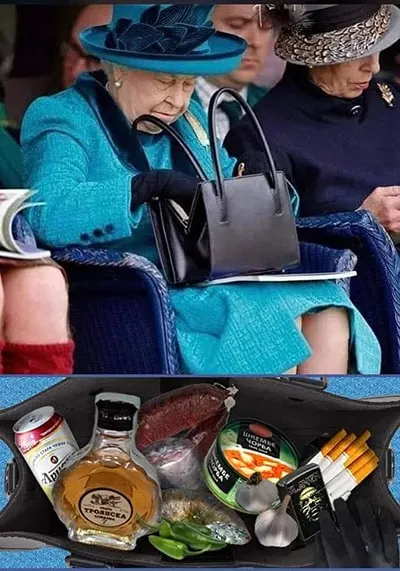
Today the list of pages he runs also includes Scenic Depictions of Slavic life, Babushka (described as “Here to make kompot and be proud of her grandchildren”) and Lada Life on Facebook, plus @squattingslavs, @scenic_depictions and @babushka_ssit on Instagram.
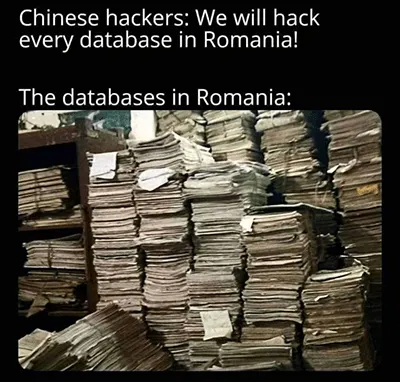
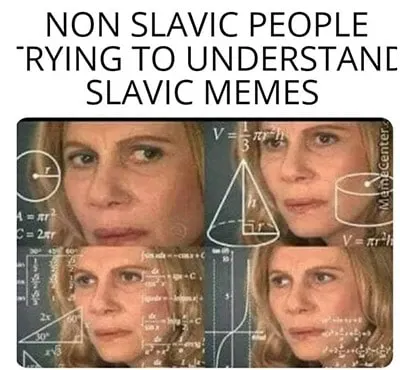
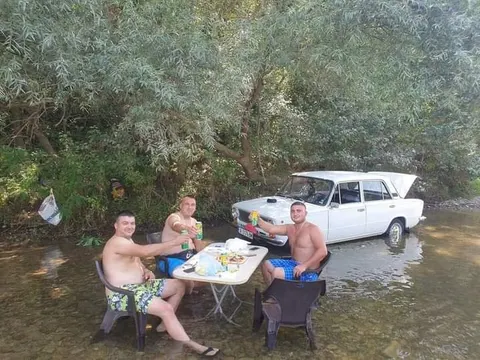
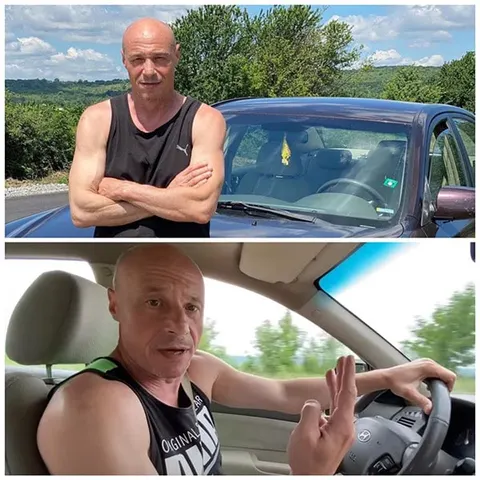
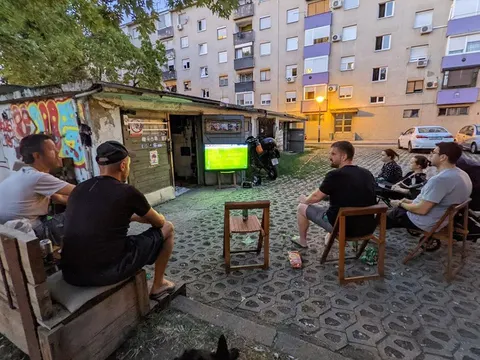
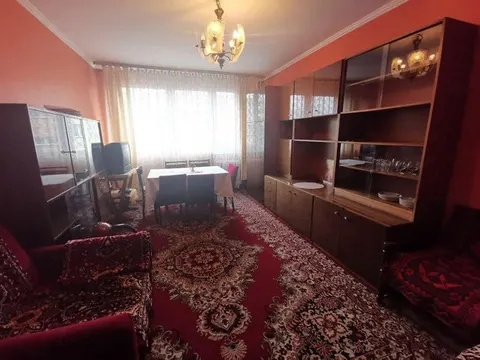
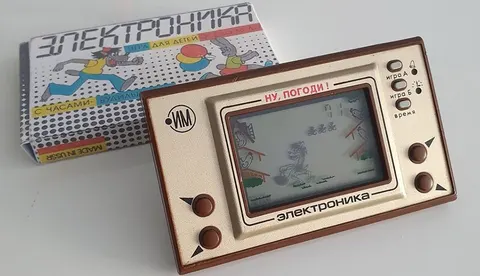
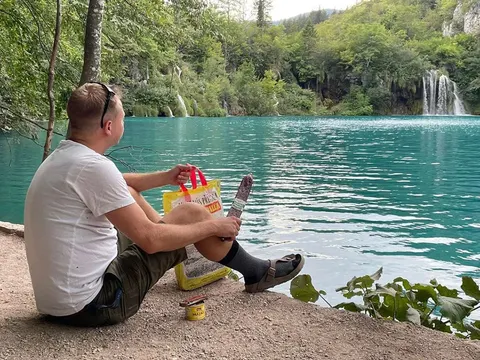
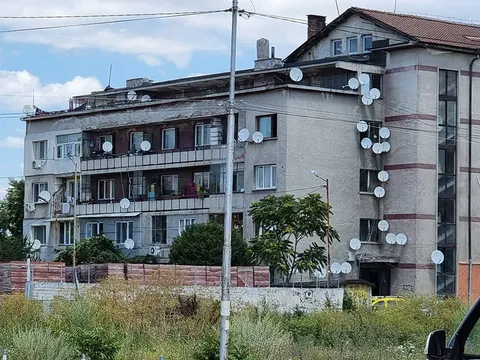
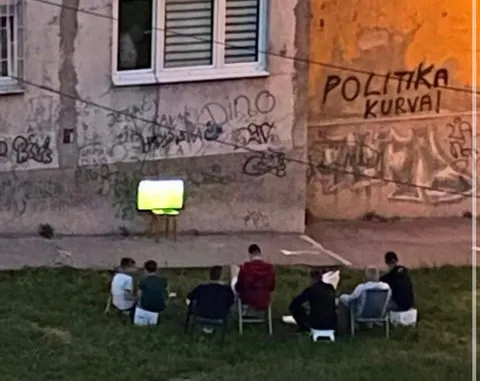
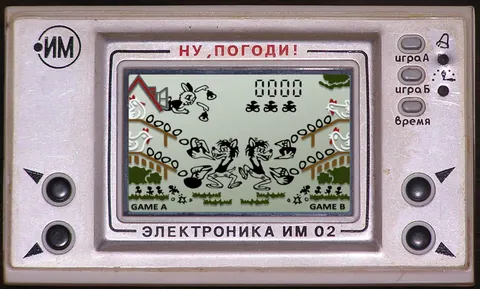
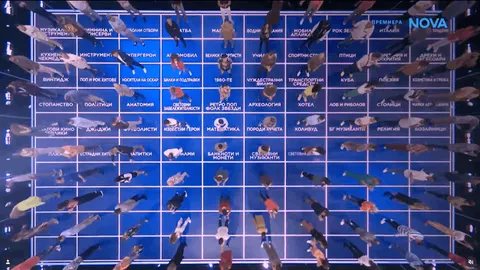
After all of the above (and a few pictures from the examples you can see), it becomes clear why this humor manages to awaken the nostalgia of everyone who remembers the 1990s, or has at least heard about them. Anyone who learned to drive in a Lada, the boxy Soviet car, or who simply misses grandma's kompot flavored with rose geranium. That is why it is no accident that this is now the largest online network with this kind of content. What's more, all of its more than 3 million followers came 100 percent organically—without any form of advertising.
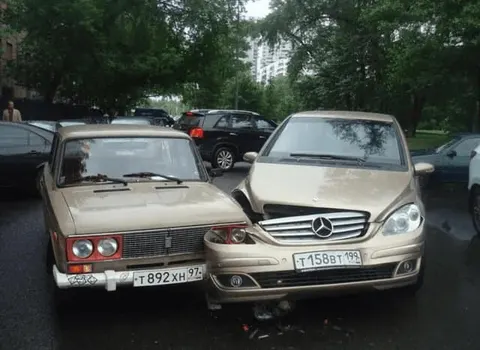
Bacon with a Little Onion
Of course, the memes are far from limited to nostalgia; there are plenty of other finds too, such as lookalikes of famous people, photos of strange architectural solutions and who knows what else. All themes in which many of us recognize ourselves.
Today the young man makes money from creative T-shirts based on some of the most successful memes. But it is not that, but the constant flow of interest, funny comments and new photos that keeps him stubbornly posting every day.

“My idea is to show things that every one of us in the Slavic countries sees every day. We have a lot in common, as the success of these pages shows,” he adds.
In his view, most of the memes are understood and liked in the West as well. In fact, the largest share of the pages' followers turns out to be from the U.S. (with the caveat, of course, that quite a few of them are emigrants from Eastern Europe).
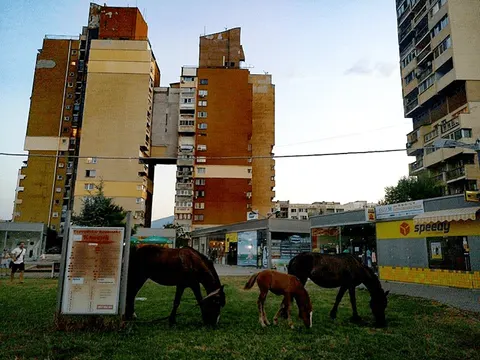
Slavic Stew
“We Eastern people see things that surround us every day presented in a funny way. For Westerners, this kind of humor is some sort of trend, something different from the usual.”
There are plenty of Bulgarians, too, about 10 percent of the pages' fans. The young man knows our country well and has visited many times. In the forum's early years he even organized two fan meetups in Bulgaria, which turned out fun and emotional.
At first he posted only memes he made himself. Then he began adding funny ideas from other sites, which is the natural path of memes, today also part of folklore. Nowadays most of his content is sent in by fans. Quite often someone gets in touch to thank him after their face became popular thanks to a shared photo.
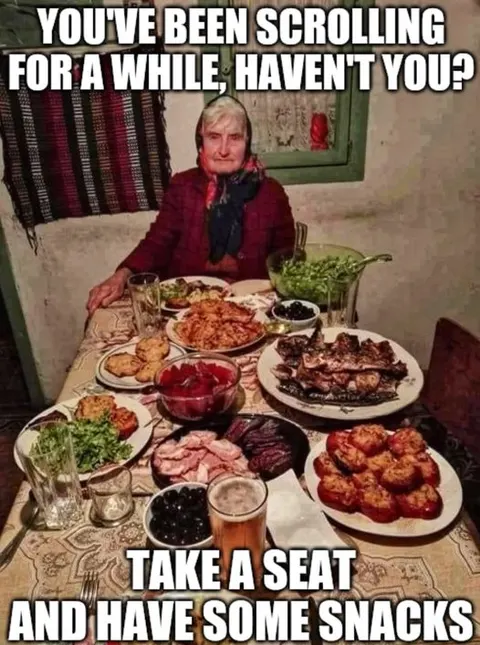
At Grandma and Grandpa's in the Village
Our interlocutor says the memes closest to his heart are definitely the ones about the “babushka.” “For a Slav, grandma is something sacred. She is the place where we will always find enormous, unconditional love and the best food in the whole world.”
People constantly tell him all kinds of funny true stories. One of the latest to make him smile is about a grandmother from Croatia who managed to beat up the armed robbers in the store where she was shopping. She used a long-handled broom that just happened to be next to her.
Why, in his opinion, does the typical Eastern European live with his parents until 40? “Because of money. In most Eastern countries you either have money or you don't; the middle class simply doesn't exist the way it does in the West.”
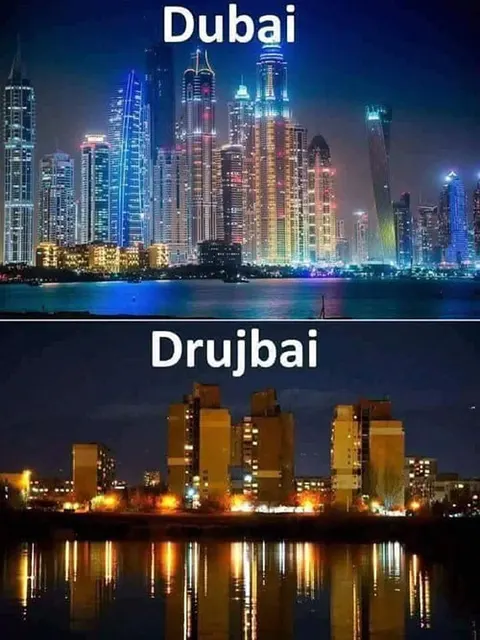
And what does the Slavic dream look like? “To have a roof over your head, a family waiting for you at home, a car in the garage and lots of alcohol and cigarettes.”
His personal dream is to introduce as many people as possible to Slavic culture. “And maybe one day there will even be a World Squatting Day,” the young man smiles.
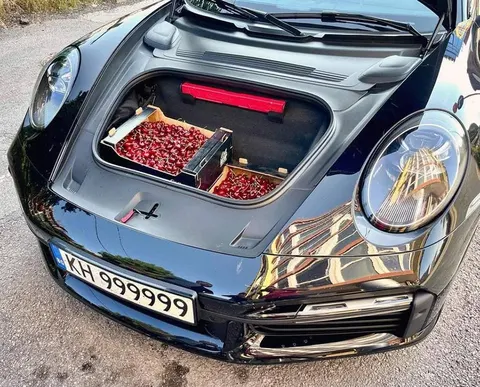
An Optimistic Theory
In his view, at the level of the individual, we Eastern nations have always been united and have found common ground. “A good example is the refugees from Ukraine. In every country people are trying to help them. But politically we will never be united. We will struggle to pay our taxes, and the politicians will make sure they systematically steal from us every day.”
Then why have we not been as successful as the Western countries in recent decades? “Because we were led only by incompetent people whose sole goal was to get rich.” Could that change one day?
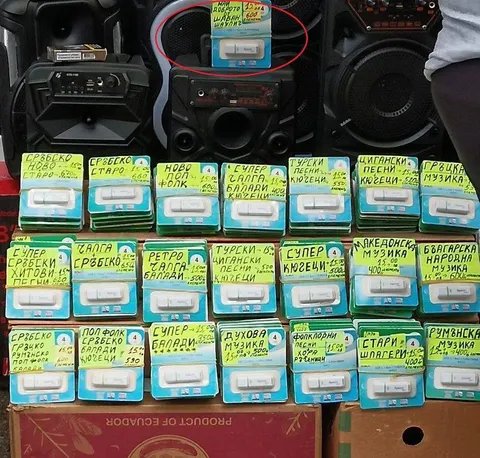
Yes, we often fail to realize that many things we mock as typically Bulgarian, usually negative traits, are in fact not ours alone but also our neighbors'. And they are not always so bad, because they are more genuine and natural for our surroundings.
And yes, we Bulgarians, like the other nations close to us, definitely have a sense of humor. All that remains is to thank our interlocutor for bringing it to the fore in its freshest and friendliest form.
Slavs of the world, smile! Because that is the only way life becomes worth living…