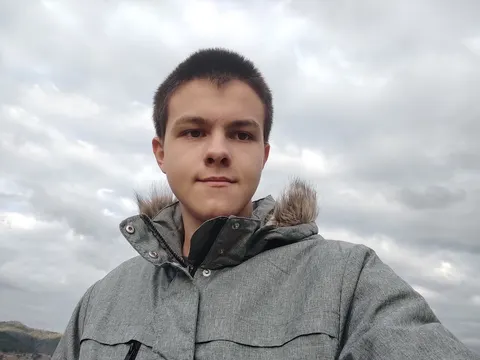
“AI Is Handling More and More Tasks. The Question Is What We Want Next”
Prof. Preslav Nakov is a specialist in natural language processing, ranked among the top scientists in the field worldwide. Which are the hottest directions to watch for news in artificial intelligence, and in text processing in particular? Where does enthusiasm outrun reality? Are we close to a general AI that can resemble and even surpass humans, is it possible at all, and should it frighten us or, on the contrary, fill us with enthusiasm for the future?
 02
The Fake News Hunter
It is called Tanbih, it comes from Qatar, and it promises to rescue us elegantly from fake news and disinformation. We meet its creator, Dr. Preslav Nakov, a world-class specialist in natural language processing with artificial intelligence. How can an algorithm tell that a news story is fake… before it has even been written?!
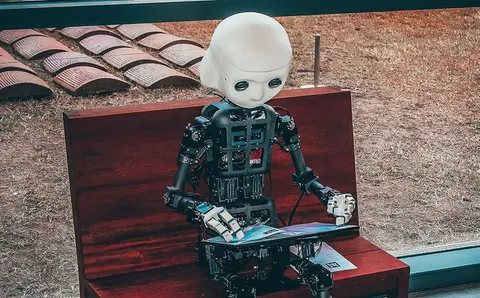
03Robot Pavlovich Chekhov: Artificial Intelligence as a Writer
“There is nothing to writing. All you do is sit down at a typewriter and bleed,” said Hemingway. Can we teach artificial intelligence to create gripping literature, and how will the cultural world change if we do? Here are the most exciting projects and the arguments of the two extremes: that the robot writer will become reality, or that algorithms will never reach the human emotion of a text.
 04
Experiment: Can AI Do Our Writing for Us?
There is no doubt that we already read algorithm-generated texts every day. How does it work in practice? Are there AI-based programs ready to take the bread from the mouths of people who work with words? Reporters, editors, proofreaders, copywriters, digital marketers, writers, translators… which of them could be the first to be “replaced”? I meet several of the most popular apps for generating and processing text. Here is what they have to show.
 05
What If One Day We Defeat Death?
Do you think machines and artificial intelligence could make us… immortal? What price might we end up paying? What awaits us afterward? Where is the line between the possible, even the near future, and fantasy? Each of you has your own answers. And yet there are plenty of projects and ideas on the subject that give us reason to think about it more seriously.
 06
“With Today’s Newspeak, We Are Walking Evolution Backwards”
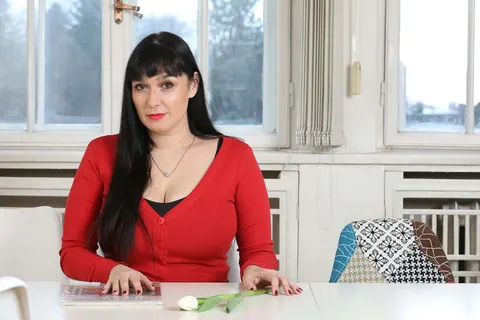
“We are making our language poorer and poorer. Online we communicate in short, simplified sentences and use an awful lot of abbreviations. This newspeak is a way of simplifying how we think and squeezing ourselves into a mold. Voluntarily, imperceptibly, step by step, without realizing what we are doing, we are drastically narrowing our view of the world…” Today we use ever simpler speech in our daily lives, foreign borrowings easily push out beautiful Bulgarian words, and artificial intelligence handles the spelling of our native language better than most people on social media. Instead of rich Bulgarian, we massively speak and write a crippled newspeak, and the reversed evolution of our language is increasingly visible in our children. Many of them cannot tell a story or describe something, and they do not know Bulgarian, even in the upper grades. How can language divide us today instead of bringing us together? Holidays also come so that we can touch on important topics and talk about the big problems we otherwise have no time for in the bustle of everyday news. That is exactly what we will do with today’s guest. Doroteya Nikolova teaches Bulgarian language and literature. She has worked in journalism as a political reporter and in PR. She takes part in many joint initiatives with the literacy platform Kak se pishe? (How Do You Spell It?), among them the Words of the Year campaign and the new venture, Life Has No “aUtocorrect.”
 07
Human or AI: Can You Tell Who Made It?
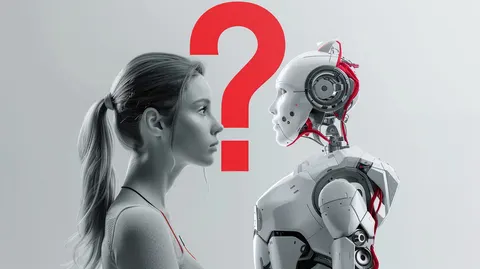
Can we still tell what a human has created from what artificial intelligence has generated? Let's run an experiment together that may yield some very interesting answers. Thirty quick questions, about 5 minutes is enough. All you have to do is decide which of the images and texts were generated by AI and which were made by people. Join in and give it a try! Invite your friends too! The more people take part, the more interesting the results will be! Responses will be collected for two weeks, until March 8, 2024. Five participants will receive a gift.
 08
“It’s Not Loanwords That Erode the Foundations of a Language”
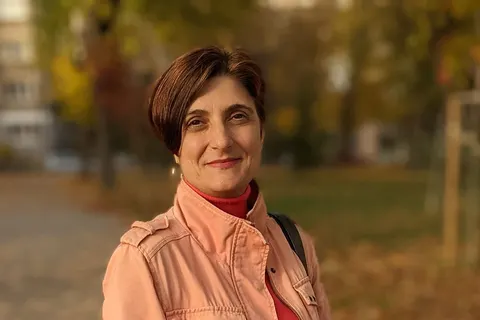
Kak se pishe? (How Do You Spell It?) is a website that has become hugely important to life online, where its creator, Pavlina Varbanova, gives volunteer advice on spelling, grammar and punctuation in all their nuances. Our first conversation is still the most-read story on Digital Stories, so on the eve of May 24, the day Bulgaria celebrates its alphabet and culture, we meet again to continue it. We talk about the words that shape us and how we treat them, about the holiday and its sometimes false pomp, about words turned into weapons and the technologies that give them enormous power to destroy.
 09
An Experiment: Has AI Learned to Translate Yet?
Is the technology finally here for high-quality translation, including to and from less widely spoken languages like Bulgarian? DeepL boasts of being “the world’s most accurate translator,” and plenty of people already use it every day, but how will it handle classic passages by Tolstoy, Murakami, Remarque or Gospodinov? Will we end up lost in translation, or is translation one more field where we can now rely on artificial intelligence, so that the money spent on the kids’ private language lessons turns out to be thrown to the wind?
 10
Radostin and the Neural Network
Radostin Cholakov is only 15, but he already has solid experience as a programmer. His latest project is the AzBuki.ML platform. Thanks to it, we will soon be able to use the most advanced AI text-processing capabilities in Bulgarian.