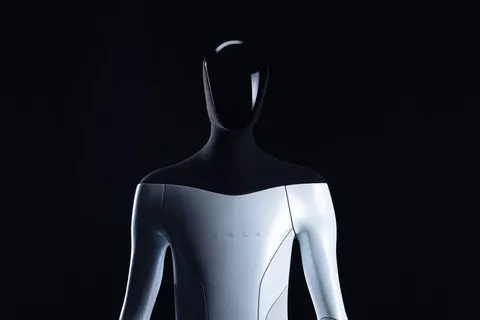
Should Robots Be Our Slaves?
Robonomics is coming at full force, and those who adapt in time will gain the most from it. Prof. Stanislav Ivanov, a tourism scholar turned researcher of the economics of automation, talks about the exciting future, the big questions it raises, how Bulgarians already hand robots the same rights and duties we associate with slavery, and why an unconditional basic income is inevitable. Let us take a peek into the future together!
 02
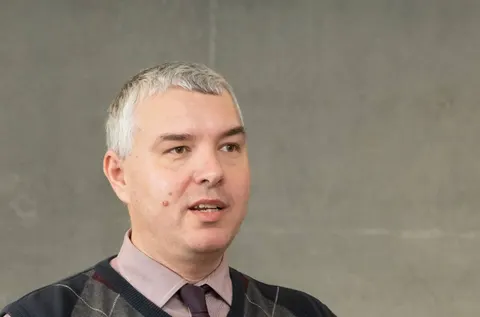
Out of Work?!
The question of the jobs AI is already taking over is only now reaching the agenda. How exactly will the technology change the professions? Whom will it replace, what new careers will it create, will there be any work left for people at all, and isn't it time we thought about introducing an unconditional basic income?
 03
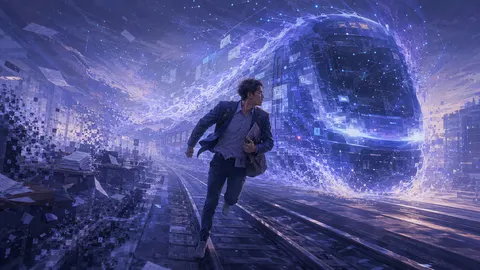
How Henry Kissinger Foresaw the Future
“There are two ways to make sense of the present situation. The first is by projecting from the familiar. Until now, the most transformative technologies created by humanity have served to refine or amplify our bodily capabilities. (…) Is AI simply one more extension of human capabilities? The second way of making sense of it assumes that this time the situation is different—that AI possesses unique qualities that cannot be reduced to an upgrade of human abilities. Within a few decades, through engineering, an analogue will be created of what evolution has been building over millennia—namely the human brain: the last organ left to be reproduced or reimagined inorganically.” We are not simply living in dynamic times in which we humans fail to keep up with technological progress. We have reached a moment when technology itself is making us start over. We have to redefine many of the concepts and systems that make up our lives—from democracy and capitalism to art and creativity. That's not me telling you this, but good old Henry Kissinger, who, on top of everything, is sending his messages about the future and artificial intelligence… from the beyond. The final work of one of the defining figures of the 20th century has recently come out in Bulgarian—the work of the man to whom we largely owe the fact that the Cold War stayed cold instead of turning into World War III. Genesis: Artificial Intelligence, Hope, and the Human Spirit gathers Kissinger's crucial views on the future we are already living in. Here are 14 of its highlights; may they finally spark the overdue public conversation about the future of humanity in the age of advanced technology and artificial intelligence.
 04
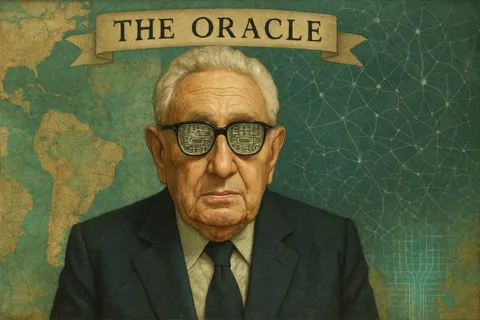
“Maybe Nihilism Is Written into Our Genes?”
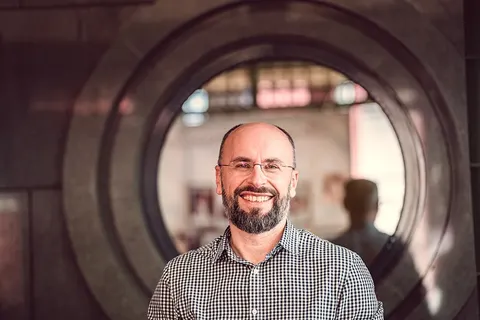
Ivaylo Kunev tells inspiring stories from the Bulgarian past in a magical way… So how did we end up with the words in the headline? Leaders, the people who know how to change the world, to lead, to build, to persuade. They are the big theme of today's guest, who has spent more than a decade designing and running leadership programs. Ivaylo has impressive managerial and entrepreneurial experience that spans decades. At the same time, he knows how to tell a story—his tales of strong personalities draw a huge number of fans. He is the author of the book Liderite: zabravenite istorii na Balgaria (The Leaders: Bulgaria's Forgotten Stories). Leadership. The subject is so heavy in our part of the world, and in the times we live in generally. So it is time to look for the hard answers. Is it worth collecting the stories of politicians, entrepreneurs and… khans? Why do we find it so hard to form a political elite and to have authentic leaders as a nation? What would Tolkien have written if he had been Bulgarian? How can Bulgarian history become a personal adventure and offer inspiring examples that help us make our dreams come true?
 05
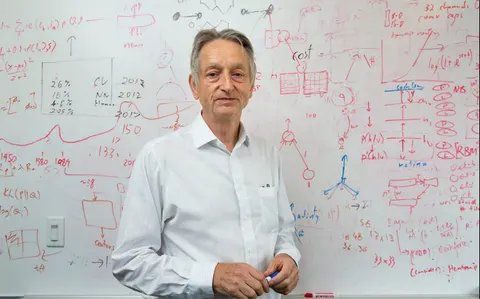
Geoffrey, the Man Who Gave the Computer a Brain
Neural networks, artificial intelligence… we repeat these terms every day without stopping to think how closely they are tied to the idea of software that mimics the human brain. That is no accident; the association is logical. The first person not only to think of it but to put it into practice is today's hero, one of the greatest scientists of our time. We owe Geoffrey Hinton a huge share of the progress we see today in the ever-so-topical field of artificial intelligence.
 06
Optimus for Optimists: What Can Musk's Robot Do?
“Very soon, physical work will be a matter of choice,” Musk insists. The first version of Optimus is expected to be unveiled in September—a robot that, according to its creator, has the potential to become a bigger business than even Tesla. The promise is that within two years it will go mainstream and “free” people from a whole range of chores. What else is worth knowing about Optimus?