Steve Jobs Is Risen!
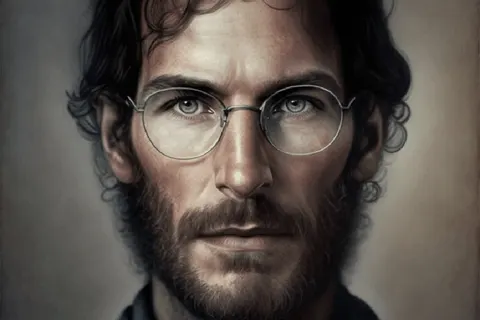
Did you catch Steve Jobs as a guest on Joe Rogan’s podcast a month ago? Oh, it was fascinating. “Computers have the power to be 1,000 times more important than they are today. I throw my computer out the window every few years just to make sure it works.” Steve was in his signature form, visionary and funny, as he told some truly curious stories from the history of Apple. But wait… didn’t Steve Jobs pass away? So what? The interview is perfectly real. It was generated by artificial intelligence. What’s the big deal, it’s interesting, isn’t it? Want to chat with Einstein? No problem, technology makes even that possible. Are we ready for the moment when computers can imitate us so well that we won’t be able to tell ourselves apart? How is it possible, and is it right, to try to “resurrect” people by creating, one way or another, copies of them that are indistinguishable from the original?
 02
“Our Chance Is to Give Young People Know-How”
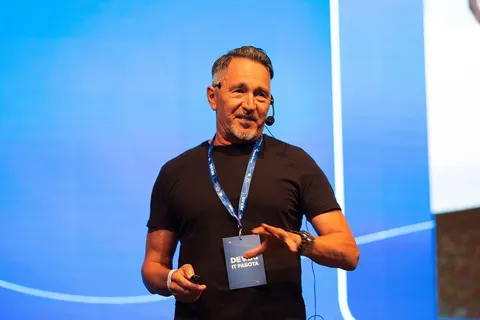
Did you know that a Bulgarian was deeply involved in making Finding Nemo, WALL-E and other cult animated films? Antoni Hristov’s story is even much more than that: he landed in Hollywood at just 20, spent 18 years as an art director at Pixar, crossed paths with Steve Jobs, and then came home to build ARC Academy, a school for visual arts. How does Hollywood look from here, and Sofia from over there, and what is the future of creativity at a time when technology throws down its great challenges?
 03
“Programs, Programs and More Programs!”: The Computer Future as Seen from 1988
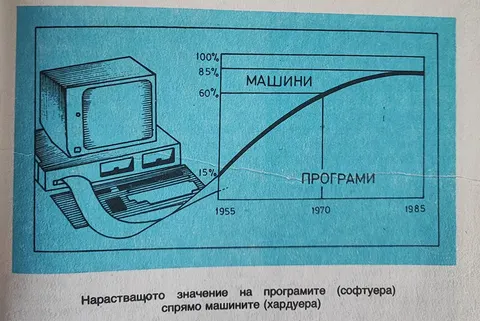
In the 1988 book Klyuchat kam badeshteto (The Key to the Future), Ivan Ivanov and Metodi Stamenov gathered the era's visions of the computer world. Looking at today from that vantage point is more than impressive: what did the authors get right, what have we achieved, where have we failed, and are there moments when, 34 years later, we sound just as optimistically ignorant about what technology can do? And who came up with the title's idea, so fashionable today in career choices?
 04
A Generational Question: Digital Leaders and the Cult of Personality
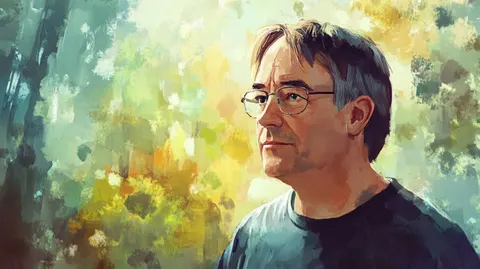
Who have been the most striking figures in public life over the past few decades? The ones we would least expect, if we believe the stereotypes—the people of technology. From Bill Gates, whom the whole of conspiracy-minded humanity turned into the chief culprit behind the pandemic, to Elon Musk, who, while “saving” our freedom of speech, is our last real hope of rising to the stars as a civilization… Yes, the cult of personality is going through a rather strange apogee in the digital age. Politicians long ago lost their magic as interesting personalities, artists tend to stay focused on their particular audiences… while the celebrities of technological progress have become the powerful figures of the new era. Is it because technology is today’s magic? Incomprehensible to many, transformative, alluring… Are the powerful figures of the digital age supermen? Do the innovators get the fame they deserve, or do the idea thieves thrive? What do the representatives of different generations share, and what sets them apart? We meet some very different digital stories…
 05
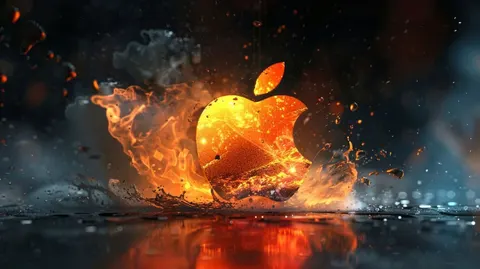
What's in Apple's Name? The Stories Behind the Web's Biggest Brands
Are Java and JavaScript cousins, and if they have nothing in common… why do they have such similar names? Why did Apple pick something as overused as the apple for its name and symbol? What on earth is… Adobe? Or Google? Does Lenovo have anything to do with Lenin? “That which we call a rose by any other name would smell as sweet,” says Juliet, as quoted by Shakespeare. And would what we call Apple or Amazon smell as sweet under another name? We can only guess. But behind the names of the online world's biggest players there are sometimes funny stories. In the lines that follow, we'll run quickly through some of the most instructive and unexpected ones.
 06
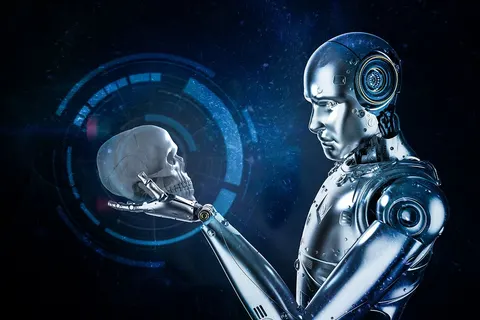
What If One Day We Defeat Death?
Do you think machines and artificial intelligence could make us… immortal? What price might we end up paying? What awaits us afterward? Where is the line between the possible, even the near future, and fantasy? Each of you has your own answers. And yet there are plenty of projects and ideas on the subject that give us reason to think about it more seriously.
 07
Stay Curious!
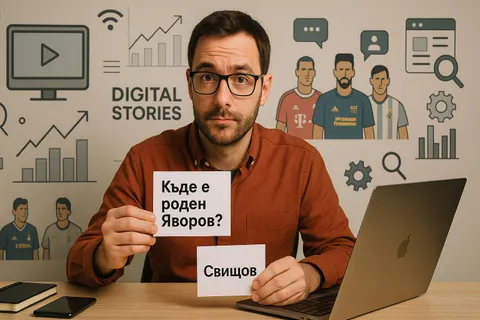
What is Yavorov's hometown? Svishtov. Artificial intelligence hallucinated that, and rather clumsily, you might guess. Except it wasn't the machine. It was me, taking part in a prime-time show on Bulgaria's oldest television channel. I would have thought I was more likely to get my own name wrong than the birthplace of a man whose story has fascinated me my whole life. Yet I got it wrong, and I won't be showing my face in Chirpan anytime soon. Knowledge is not a given. Curiosity doesn't come on its own; it takes effort. But is there any point in remembering where Yavorov was born in an age when we can check it in a fraction of a second? Would he have written different poems if he had been from Svishtov? Will the next generations know where he was born, how he wrote? What stirred him, where and how he met love? If you like, ask ChatGPT. Or the Constitutional Court. My own answer is this: today, more than ever, it matters that we stay curious!
 08
What Do the World's Tech Titans Read?
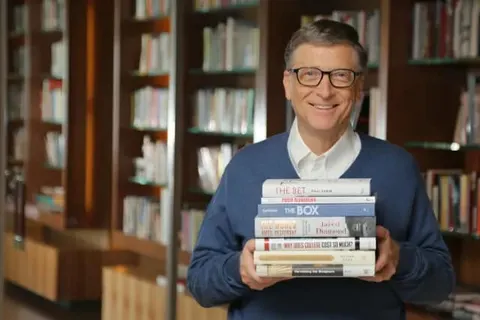
Do the world's tech leaders read books? What are the favorite reads recommended by Elon Musk, Sam Altman and Mark Zuckerberg? Will you find some overlap with your own literary taste, or is there no such topic at all? In Bulgaria it isn't fashionable to talk in the media about what we read. Journalist and translator Daniel Penev got me thinking about this during his visit. Yes, you'll probably remember the notorious Winnetou as someone's favorite book and… that's it. It isn't like that everywhere. In both West and East, the people who end up in the spotlight love to talk about books, about their favorite authors, about the literature that helps us keep going. Well, it's time we started doing it here too!
 09
The Programmer Who Turned Down $10 Billion
Jason Citron knows all too well what it means to fail. He has done it many times, spectacularly, losing serious money. That was before he created Discord, the next-generation social network that long ago outgrew the world of gaming and became a convenient and secure means of communication, free of many of the flaws of traditional platforms. But how did the programmer come to turn down an offer of… 10 billion dollars from Microsoft?! What failures did Jason go through before reaching his enormous success? What are the most important things he has to tell us, and the key lessons of his fascinating story?