You lock in your dreamiest, most vacant gaze. You purse your lips, and after a mere 232 attempts and exactly the right filter, it all comes together. The perfect selfie. Even a bit of the background shows, but there's no time to fix that, the shot has to fly—hot off the press!—onto Instagram.
Where did this urge to photograph ourselves come from? Our friends (or followers) mostly know what we look like already, so wouldn't it be more interesting to capture what we see, the way people used to? Even if we're talking about a sexy influencer… hmm… this particular angle is hardly the one her fans are after. So… where did the selfie come from?
Let's take a flying leap and peek a little deeper into the culture of this phenomenon. Going back a century to shake the sturdy hand of one of its pioneers. A robust Norwegian painter in his prime. Edvard Munch. Born in 1863, gone in 1944.
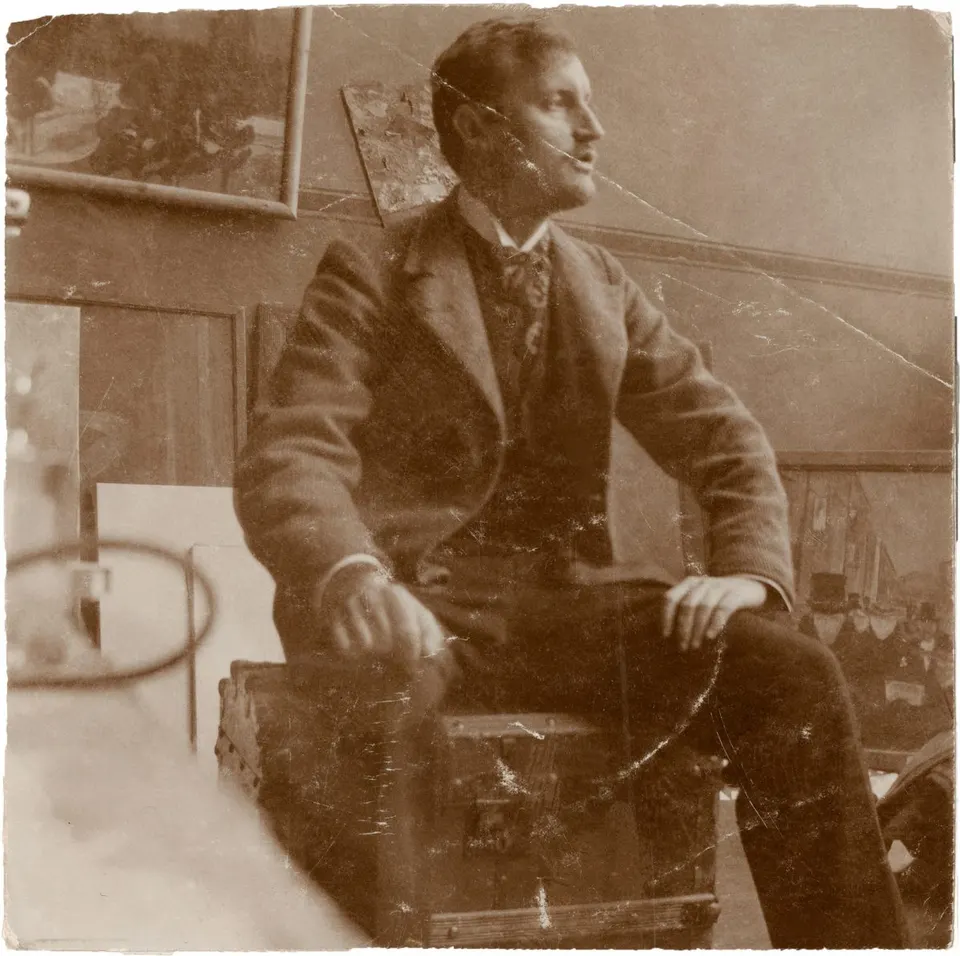
Selfie with an Elfie
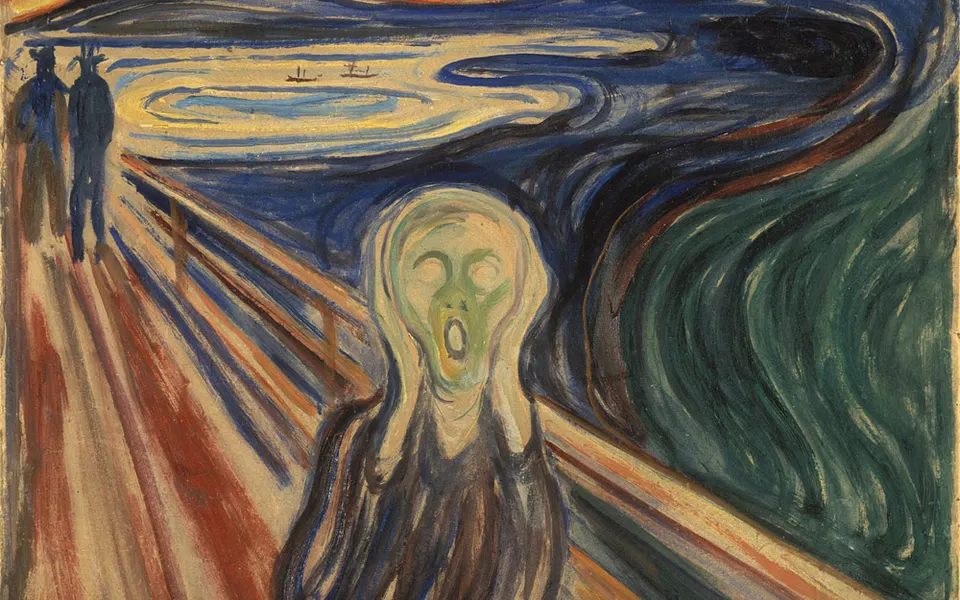
Selfie… Some of the more hipster-minded second-generation residents of Sofia will tell you it's short for селска физиономия (selska fiziognomia, “village mug”). And what does Munch have to do with it… yes, The Scream. That scream so emblematic of modern man, conveying with the expressionist's mighty visual force everything we have to say about the world around us. Today and over the last hundred years or so.
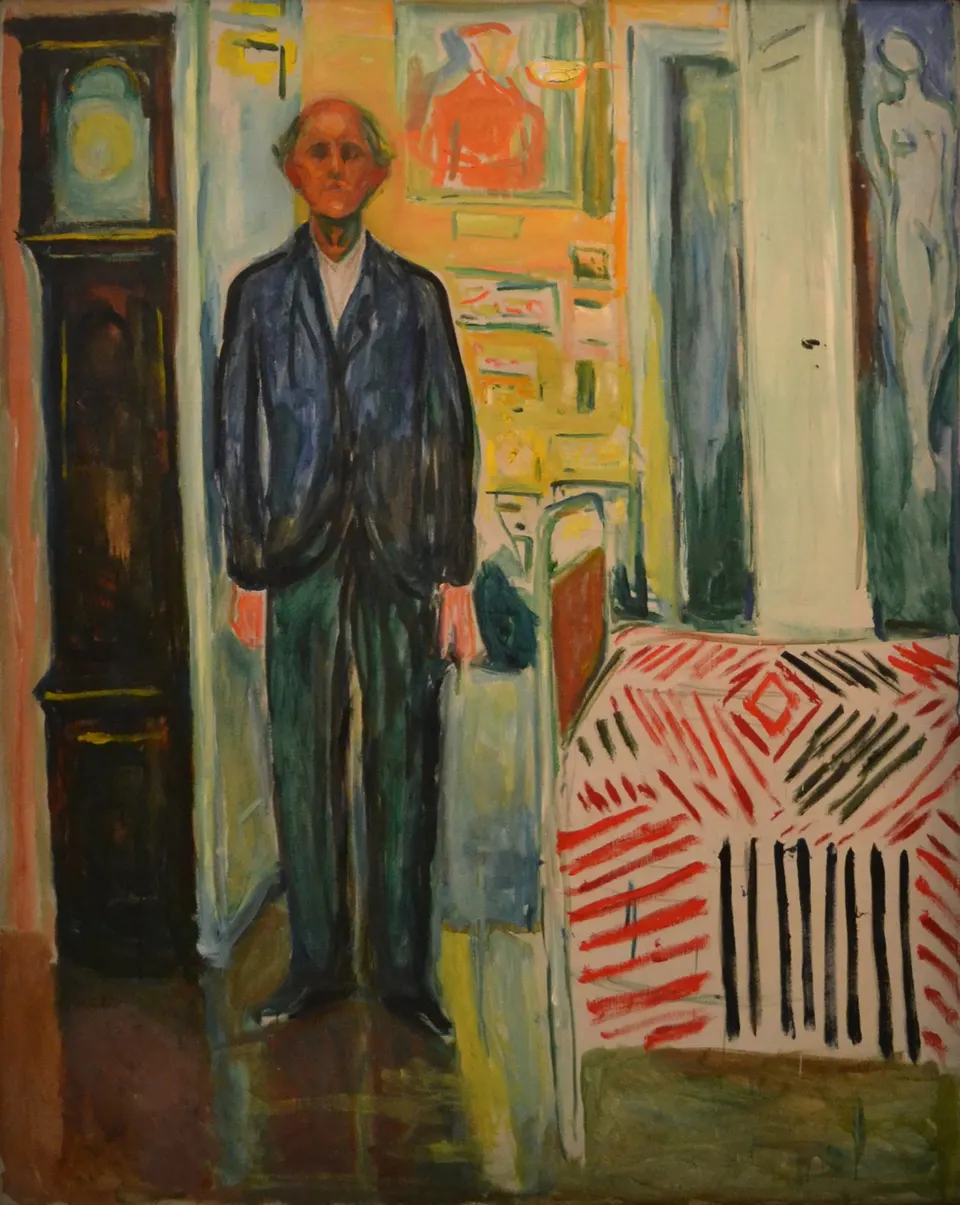
It isn't a selfie, though. The figure in that so distinctive image has its hands in the frame. The master of selfies is Munch himself, as you can already see in a few of the shots. Although he depicted suffering, loneliness… and whatever else you'd like from the minor-key spectrum so successfully, he was quite fond of self-portraits, and all his life at that. In some of them he is… well, let's say, not overly dressed. Fortunately for the aesthetes, those come from the earlier stages of his work, and I won't be showing them to you.
How do we get to Munch as one of the forefathers of the selfie? True, you can't say his attempts look terribly good. But it takes considerable skill to be an eccentric expressionist painter and still hit upon a phenomenon that would burst into its colorful spring of staring faces a hundred years after you're gone. After most people remember you only through The Scream.
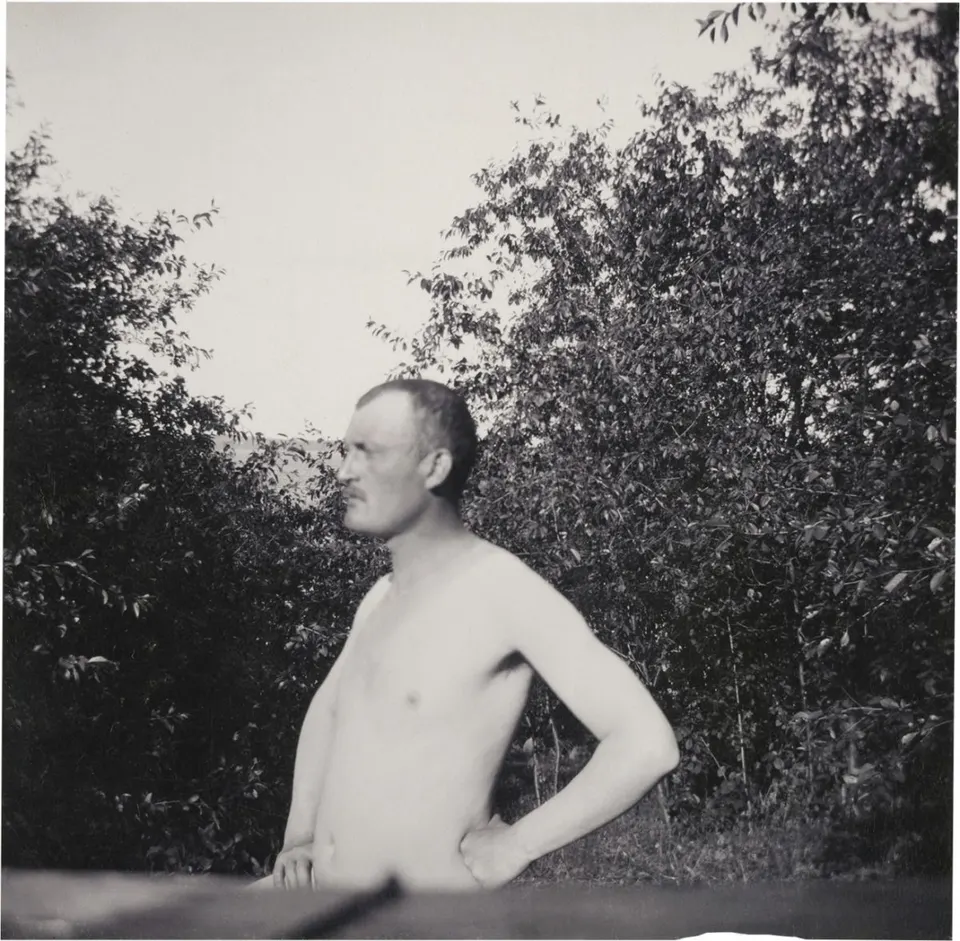
Photo Motto
The phone changed our relationship with photographs forever. And then came the selfie, that fundamentally new genre, a sophisticated version of the painter's self-portrait, meant to verify that we're somewhere and that we look at least good enough not to be ashamed to show ourselves.
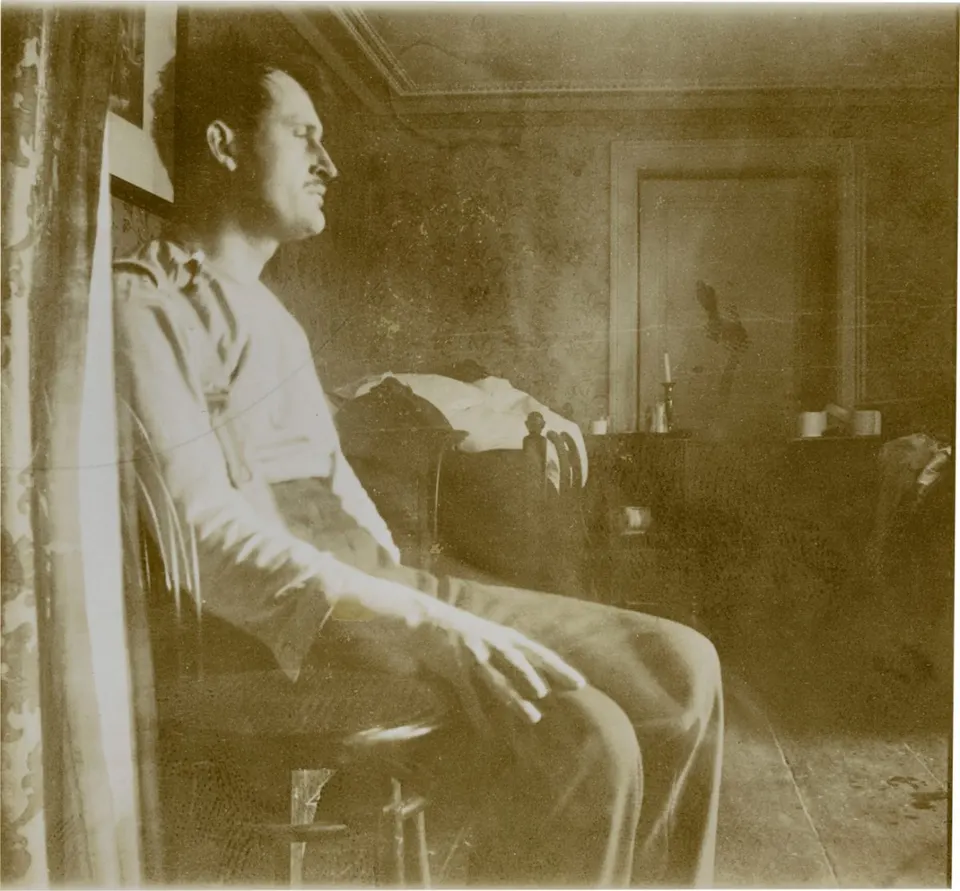
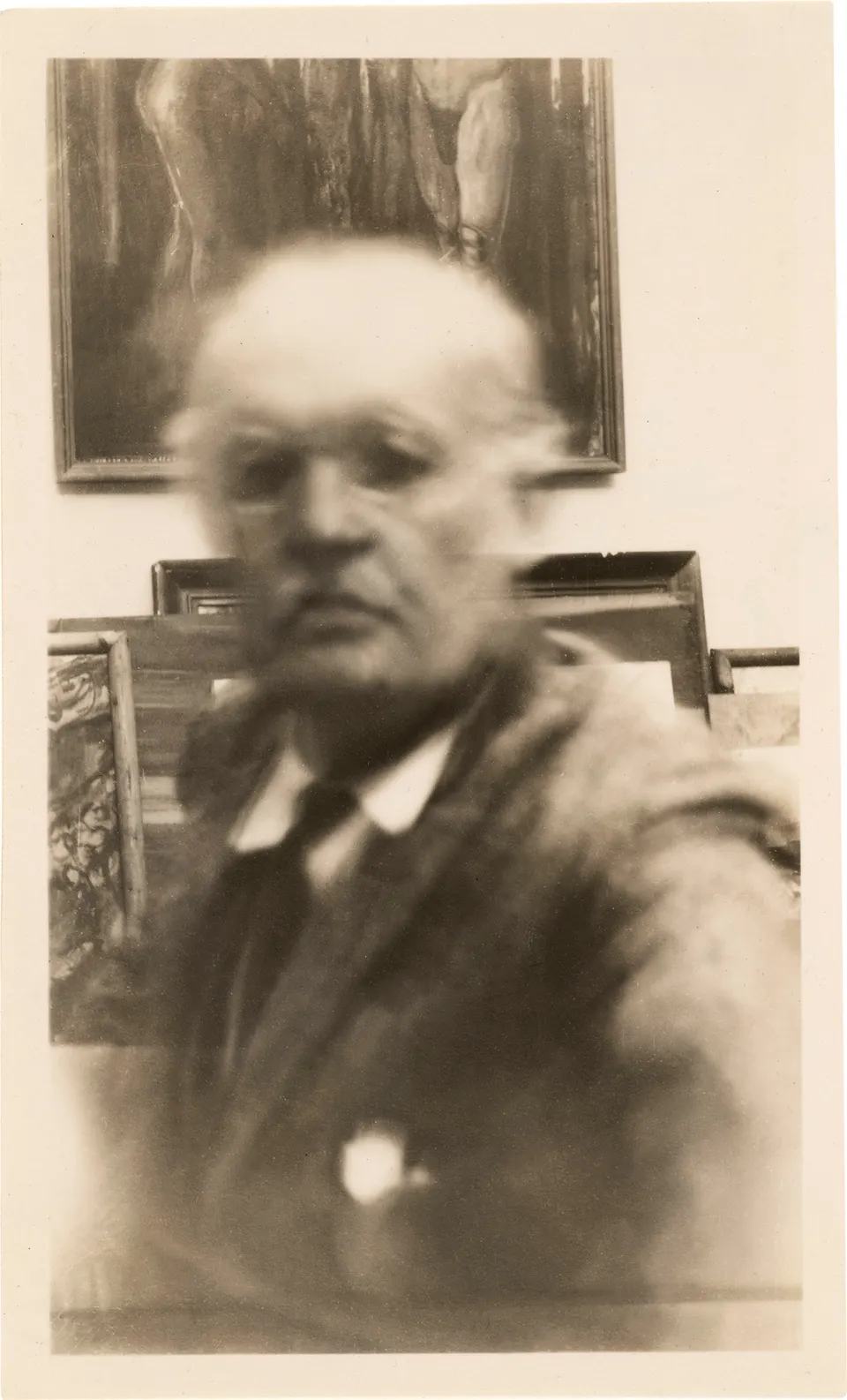
Shortly after turning 40, Munch bought Kodak's popular “Bull's Eye No. 2” camera and set out in search of life's hidden moments. First came his surroundings and the people around him, then he decided he had something to show by photographing himself, too. He rarely faced the camera head-on. He tried to capture his physical and mental state with a clarity impossible for the visual arts.
He had painted the notorious Scream much earlier, back in his late twenties.
“One evening I was walking along a path, the city was on one side and the fjord behind me. I felt tired and ill. I stopped and looked out over the fjord. The sun was setting, and the clouds were turning red. I sensed an infinite scream passing through nature. It was as if I really heard a scream.”
He later painted quite a few more versions of the picture. In 2012 one of them sold for $119,922,500, which may well still be a record for a work of art.
It must be rather depressing to have made the most memorable thing you'll ever make and then simply carry on…
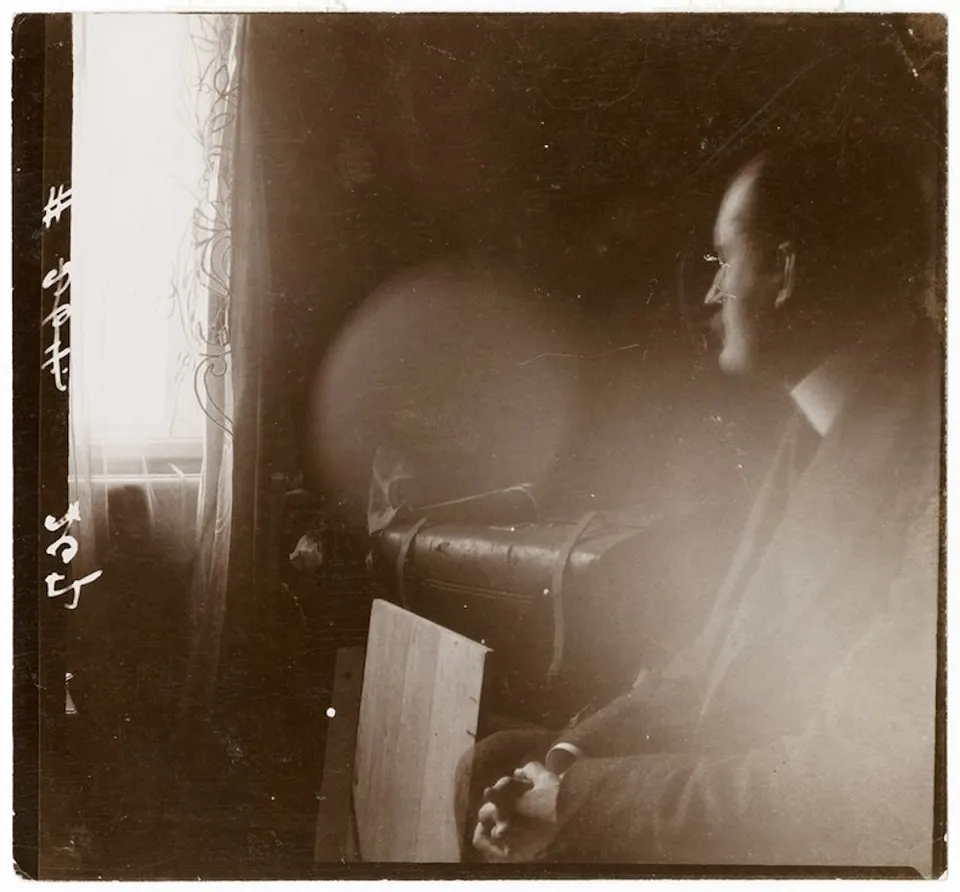
Through his photography, Munch wasn't merely documenting; as it turns out, he was even creating genres.
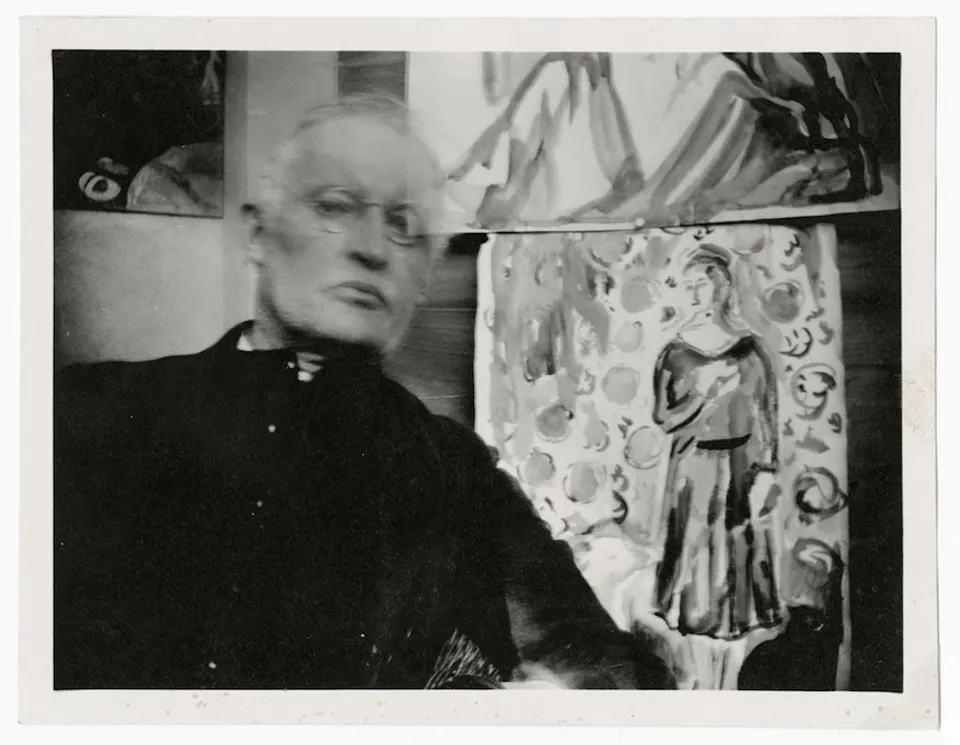
Snap and Nod
Depicting the world around us is such an ancient pursuit that new genres can hardly sprout out of nowhere. Yes, there are self-portraits, but their idea seems to be a different one. They are deliberate… portraits precisely, because painters want to paint themselves the way they would paint anyone else. To step away from themselves, yet have the result be art. Considered, carrying messages.
The selfie carries messages too, doesn't it. “I was here.” Or are there others?
As the cultural critic Alicia Eler puts it, “today we have become our own biggest fans and personal paparazzi.”
The term “selfie” officially appeared a decade ago, and in 2013 it beat even “bitcoin” to be named word of the year by the Oxford English Dictionary. Time flies, doesn't it?
There's more. The same dictionary says the word is of Australian origin. Because it was first used as a neologism on a forum in the land of kangaroos in September 2002. Some unknown man photographed his split lip after a night of drinking and asked for advice on how to hide the wound in the “selfie.” Linguists explain that the ending he gave it is typical of Australian English, but the word and the phenomenon survived and conquered us.
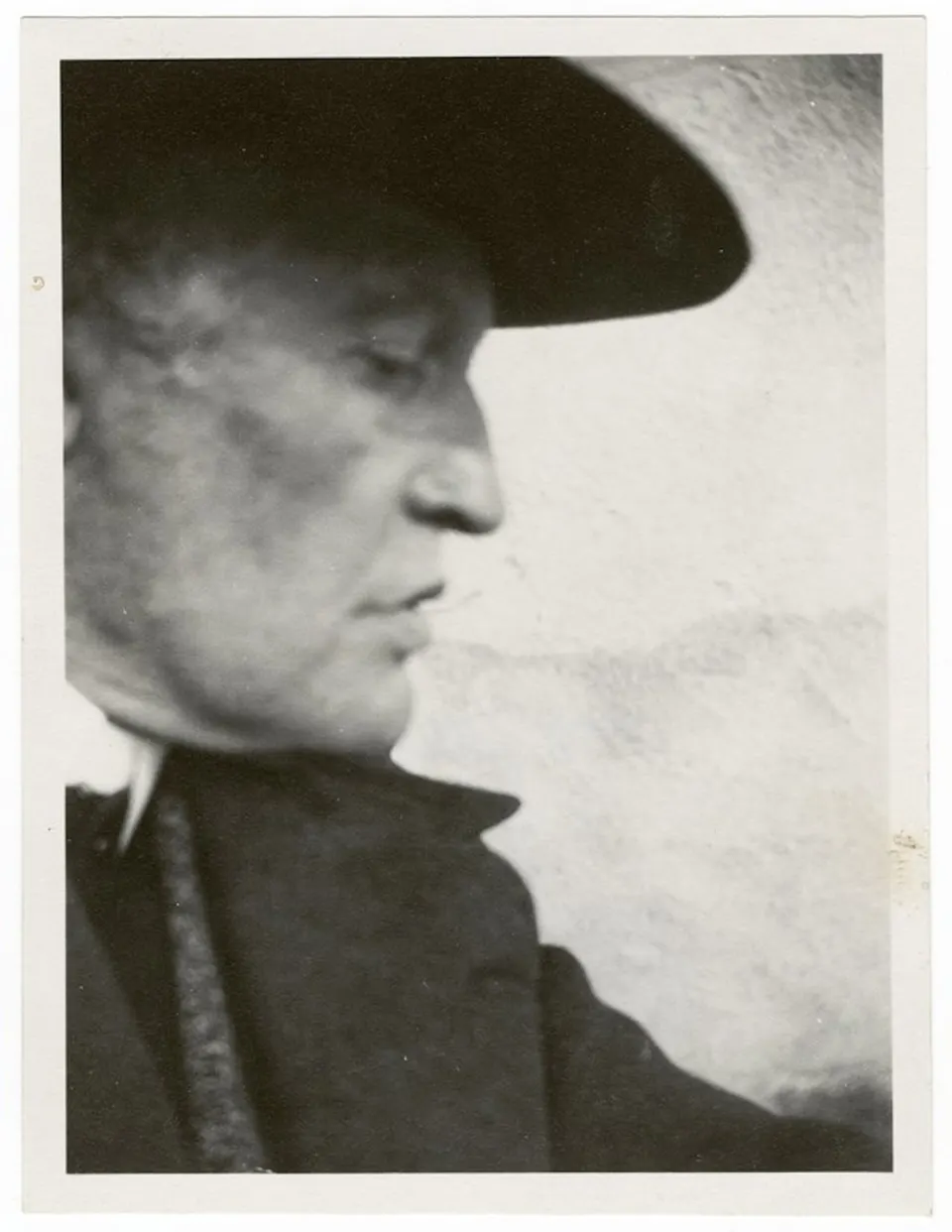
A Scream Supreme
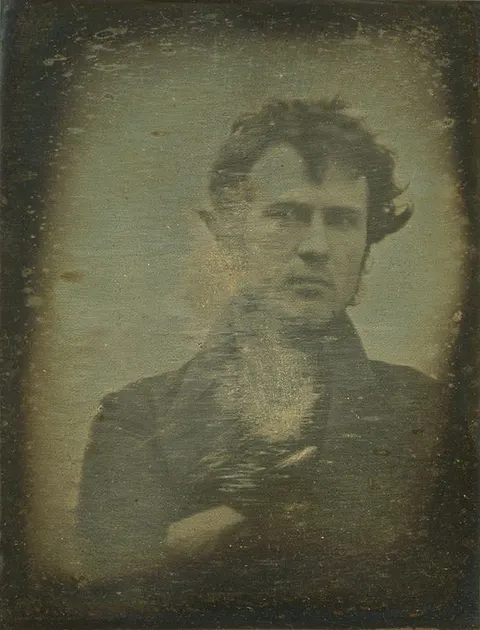
The pioneer of the term remains unknown to this day. In fact, the first true photographic selfie is a little older—perhaps you don't remember it either. It dates from 1839 and is the work of Robert Cornelius, one of the pioneers of photography in America.
Yet the most accurate embodiment of the selfie, to my mind, somehow remains Mr. Munch himself, hidden behind The Scream as well.
Later came the first front-facing camera on a phone (from the now-defunct Sony Ericsson brand—the Z1010 model from 2003). Then the “selfie stick,” which came to the aid of the “specialists” waaaay later, in 2015. That gave them a bit more room to fit in the background and the other people around.
Then came Ellen DeGeneres and her famous Oscars selfie, shared more than 2 million times before the ceremony itself had even ended. Even Obama “self-selfied” at the memorial after Nelson Mandela's death.
After that we stopped paying it so much attention. The new genre turned into everyday life, routine. We just started putting on masks as well.
Mad Lads
The shots from Munch's selfies were gathered for an exhibition at Scandinavia House in New York in 2018.
“Illness, madness and death were the black angels that surrounded me from the cradle and accompanied me throughout my life,” the artist wrote. And one more thing, especially important, before we part with Mr. Munch.
Unlike so many sensitive artists who lost the battle with the darkness of their own demons, he lived a long and happy life. Toward its end he even painted this so likable and gentle self-portrait: