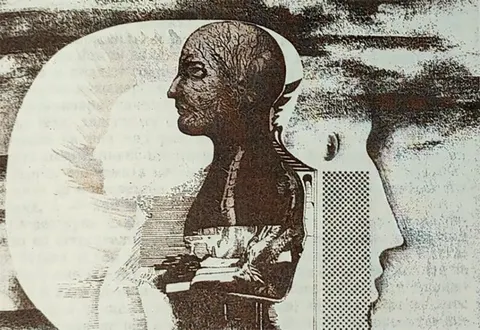
“Sometimes I’ll Come…”: How AI Illustrated 10 Classic Bulgarian Verses
What illustrations could artificial intelligence draw from the works of Botev, Debelyanov, Boris Hristov and Georgi Gospodinov, and how would image-generating algorithms interpret classic lines of Bulgarian literature? This kind of AI has been a hit in recent months, a striking example of what technology can already do, and it has given rise to a new skill: describing an image so precisely that the algorithm generates exactly what you expect. So what happens when we “feed” it the stanzas of proven masters? Here are the fascinating results!
 02
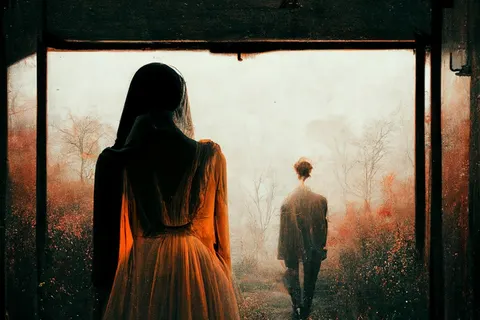
“I Can’t Wait for AI to Keep Getting Better!”
Artificial intelligence is throwing down the gauntlet to artists in more and more fields. While many believe the technology is far from creating better than humans, more and more often, and more abruptly, the opposite turns out to be true. So where do creativity, art and imagination go from here? How do we value the journey when the result comes easy? We live in a surprising world where you have to adapt to survive. Lubomir Sergeev is a photographer, digital artist, director and producer with 30 years of experience in advertising. He has worked on five continents and has lived in London and New York. He holds a long list of awards, among them the Victoria, considered the most prestigious in the world of photography. For 12 years in a row he has been included in the global selection of the “200 Best Digital Artists.”
 03
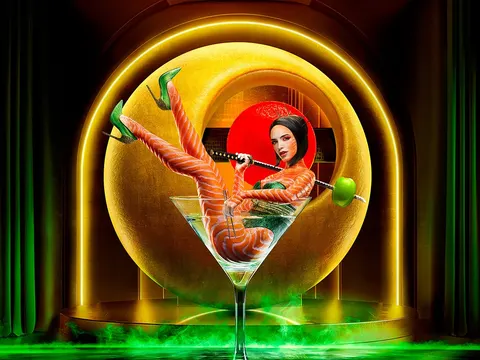
Love in the Time of AI
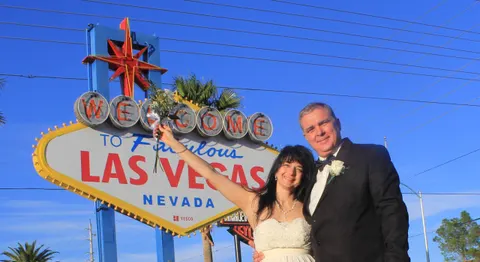
This is a story about a love that came not very early, but just in time. About the luck and happiness of finding your person. About the dreams we put off, though we shouldn't. About the strength not to give up, even in the hardest moments and in the face of the toughest challenges. At least as long as you have the strongest support of all, that of the person beside you. “In December I turn 63. I have seen a lot and lived through a lot. Instead of growing fewer, the problems keep multiplying. I've had two strokes, a malignant tumor and more. In those hard moments there was always one person beside me who, again and again, got me back on my feet and even gave me wings. That person is my wife, Toni. A few days ago I spontaneously wrote down my feelings for her in a few lines. Since I'm neither a musician nor a singer, I turned them into a song with the help of artificial intelligence.” Powerful stories keep happening in the digital world—because of it, thanks to it or in spite of it. And just as our relationships as people quietly change with the development of technology, there are also those universal plots that survive through time and are reborn with new shades, new details and new inspiration. More and more often, stories vanish into the feed, unnoticed in the rush of scrolling, of the news of the day. Do we have the time and the frame of mind to look for them? To settle in and read, to get carried away by them, while we hurry on, absorbed in the latest topic of the day?
 04
“When I Insult It, It Doesn't Take Offense.” What Gen Z Thinks About AI
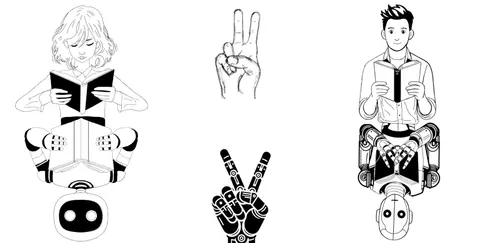
What do young people think about artificial intelligence? This time I hand the floor to seven people in their twenties who chose book publishing as a career, and who spent months digging into what today's algorithms can do. Together they made a book about AI, and in this blitz conversation they explain why they believe more people will soon be reading.
 05
How DALL·E “Read” Beloved Bulgarian Books
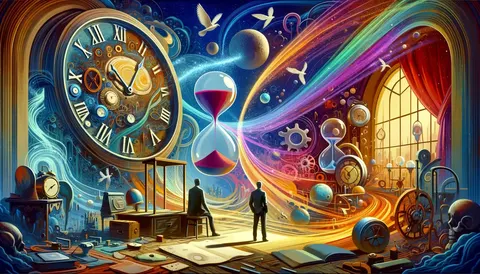
The Chukchi is no reader, he’s a writer, as the old Soviet joke goes. But what about ChatGPT? Time for another fascinating experiment to show what today’s algorithms can do, both at creating images and at understanding context. I will ask DALL·E 3, part of the paid version of ChatGPT, to illustrate classic works of Bulgarian literature from different periods. Why is this interesting? It will show how well the large language model works in Bulgarian and how far it recognizes some of our undisputed classics. And, not least, because… might it show us some unexpected, different, striking points of view? Could we speak of some form of collective unconscious? Will the pictures overlap, at least in part, with the images each of us carries in our head for these books?
 06
The Naked Truth: The Algorithms That Undress Us
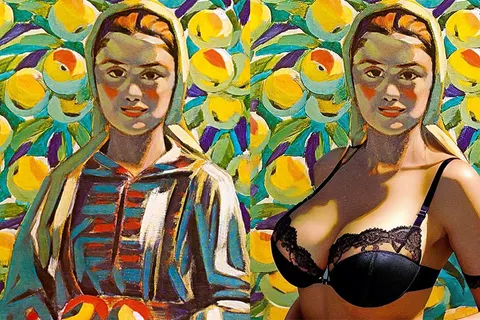
You are scrolling through your feed and there is a nude photo… of you, just as your mother brought you into the world. You have never been photographed like that, and yet it all looks so real?! This can now very much happen, which is why it matters that we are ready, and that we keep asking the next question: how should we change the way we relate to what we see, so that it fits the reality technology has brought us to?
 07
“Our Chance Is to Give Young People Know-How”
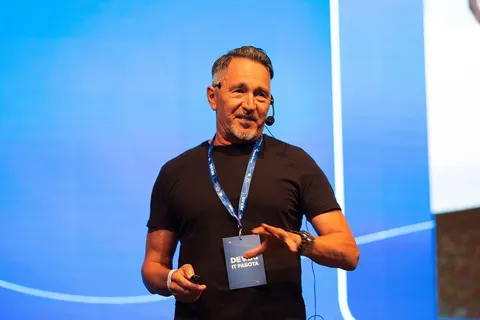
Did you know that a Bulgarian was deeply involved in making Finding Nemo, WALL-E and other cult animated films? Antoni Hristov’s story is even much more than that: he landed in Hollywood at just 20, spent 18 years as an art director at Pixar, crossed paths with Steve Jobs, and then came home to build ARC Academy, a school for visual arts. How does Hollywood look from here, and Sofia from over there, and what is the future of creativity at a time when technology throws down its great challenges?
 08
“AI Is Handling More and More Tasks. The Question Is What We Want Next”
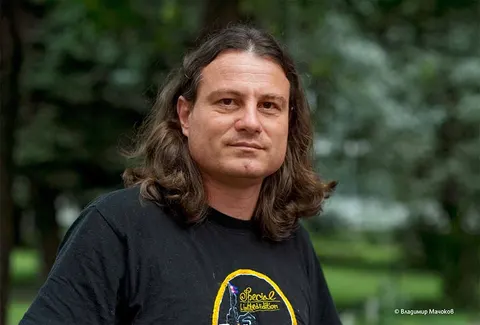
Prof. Preslav Nakov is a specialist in natural language processing, ranked among the top scientists in the field worldwide. Which are the hottest directions to watch for news in artificial intelligence, and in text processing in particular? Where does enthusiasm outrun reality? Are we close to a general AI that can resemble and even surpass humans, is it possible at all, and should it frighten us or, on the contrary, fill us with enthusiasm for the future?
 09
“In the World of AI, Everyone Can Find Something Exciting”
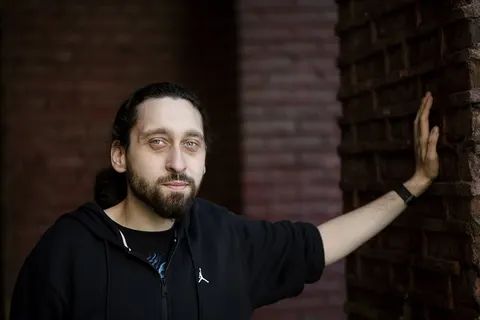
Yordan Darakchiev leads the only program in Bulgaria where, in just a year, you can gain enough knowledge to start working in artificial intelligence. How did Yordan, an astrophysicist by profession, come to create a venture that has now given so many people the fundamentals five times over, and how do its graduates go on to research institutes, to companies like Tesla and Meta, to promising startups, and even to ventures of their own? What does it take to succeed in machine learning, how does this kind of technology help us understand the world we live in, and which directions in artificial intelligence are the most exciting ones to watch?
 10
How Should Children Meet AI?
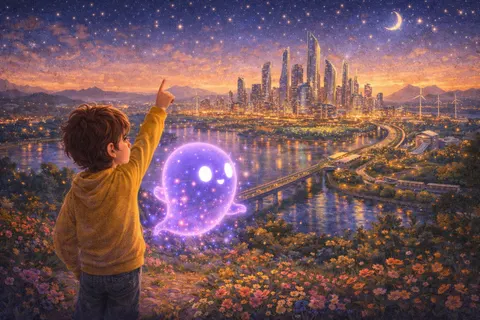
When is the right moment to introduce children to artificial intelligence, and what is the best way to do it? I admit I am still looking for my own answer, which is why I sat down for today's interview, to keep searching for it together with my guest. Nikolay Tsonev chose to walk away from a successful IT career abroad to bring the international programming school Logiscool to Bulgaria. The system, which helps children aged 6 to 18 get their hands on computers, is already present on five continents. But… now that AI writes code better than we do, does it still make sense to learn programming, and why? It definitely does, and here's why.
 11
Child or AI? Could 4,000 People Tell Who Drew It?
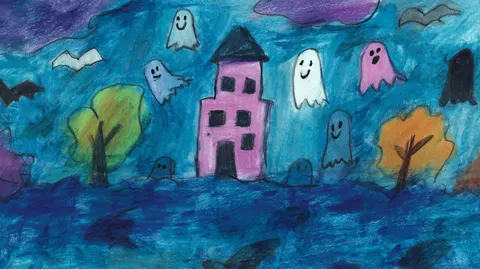
The “Child’s Drawing or AI?” experiment drew enormous interest! In a month and a half, almost 4,000 people took the quiz, trying to tell 15 real drawings by children under 11 from images created by artificial intelligence. Time to sum up the results: did we rise to the challenge, were the real or the generated drawings easier to spot, did the children themselves judge better, and why do the conclusions matter?
 12
Quiz: Who Drew It—a Child or AI?
It’s time for an unexpected but important test: an experiment that raises big questions about the future of creativity, of what makes us human, and of education. Challenge yourself and your intuition with 15 pictures drawn by children aged 3 to 10 and 15 generated by artificial intelligence—tell them apart and you could win a prize! Responses are open until July 1, the survey takes no more than 10 minutes, you can answer just some of the questions, and children are welcome to take part too.
 13
AI Built a Cell: How an Algorithm Painted Beloved Bulgarian Songs
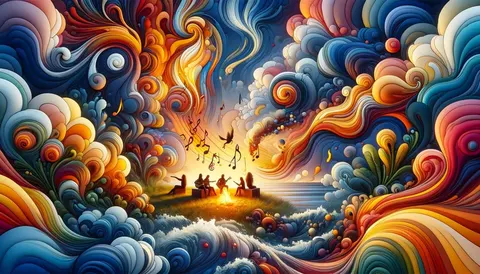
Artificial intelligence now creates images hard to tell apart from photographs, and that can even change history—but has it learned to “paint” originally, impressively and without obvious blunders, even when the description is abstract, poetic and laden with meaning? Let’s reflect on that with a short but instructive experiment: how will ChatGPT cope with illustrating the lyrics of beloved Bulgarian songs? I pick 16 Bulgarian poetic works from different eras and genres completely at random, some of the most recognizable verses ever to become melodies, and see how the algorithm draws them.
 14
“The Computer Will Be Like Bread!” How Bulgarian Sci-Fi Writers Saw the 21st Century
What will the future look like? What would life in the 21st century be, seen through the telescope of Bulgarian journalists and science fiction writers of the 1980s? Ahead lie five brilliant insights, five dashed hopes and five… particularly interesting and important reasons to stop and think.