How many hours a day do children spend in front of a screen? Should phones be allowed in school? What does the technological future look like for today's children? What is worth learning? How is parenting different today?
In early February I put these and many other important questions to the parents and relatives of children up to 11 years old. The Digital Stories survey gathered more than 350 responses. The conclusions are telling, and they give you pause. The messages collected there deserve to be read and discussed.
Heartfelt thanks to everyone who filled it in, and to everyone who helped more people take part! Here is what the results turned out to be.
TL;DR
The article is long and detailed. If you are only interested in the main conclusions, you will find them
here.
According to those who took part in the survey:
- Phones have no place in school or kindergarten
- 25% of parents admit they have trouble keeping screen time under control
- It is time to start serious changes in the education system as soon as possible, so that it fits the world of today.
- Those who believe parenting today is harder and drastically changed compared to pre-digital times clearly dominate.
- A huge share of parents believe their children will live in very different times, will change professions often, and need to be ready for that kind of adaptability.
- Artificial intelligence sharply divides people over whether it is a positive or a negative phenomenon for their children's future.
- Parents want a broader public conversation and more useful resources to help their children meet technology in a healthy way.
Measure for Measure
A total of 357 people took part: 67 percent were mothers and 18.9 percent fathers, which I think is a wonderful sign, considering how much less fatherhood is discussed online. Grandmothers, grandfathers and people who chose not to answer this question made up a considerably smaller number. A little over half of the participants have one child, exactly 1/3 have two, and 8.8 percent turned out to be the brave souls with three or more kids at home.
We start with the touchiest question—the hours spent in front of a screen.
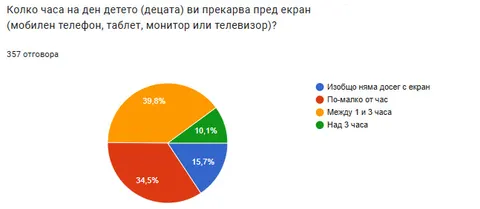
Interesting! It turns out the problem of excessive screen time is not that widespread… or at least that is what I would like to believe. The truth is that the figures differ drastically from those of statistical studies. My survey, of course, makes no such claims—it is simply a journalistic experiment, an attempt to capture the trends in this all-important subject. People take part voluntarily, they are certainly far from a representative sample, and the data is self-reported. And still—1 in 10 reports more than three hours of screen time, which is definitely above the recommended limits for children under 11. Meanwhile, 15.7 percent of parents allow no contact with screens at all, which may also be explained by the fact that some of them have babies or very young children.
The Small Screen
But beyond the hours… what do parents think about the relationship between children and screens?
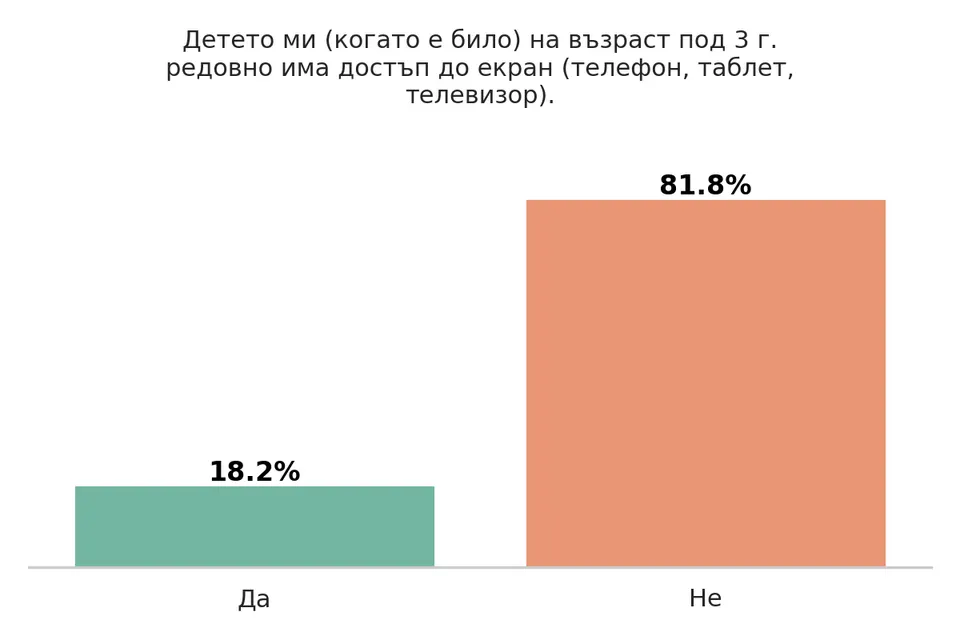
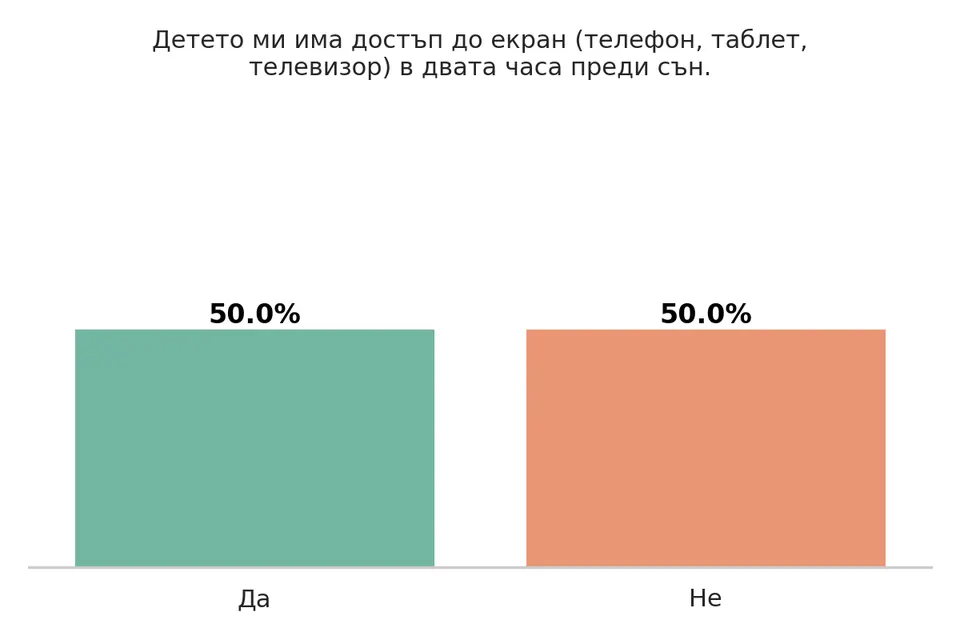
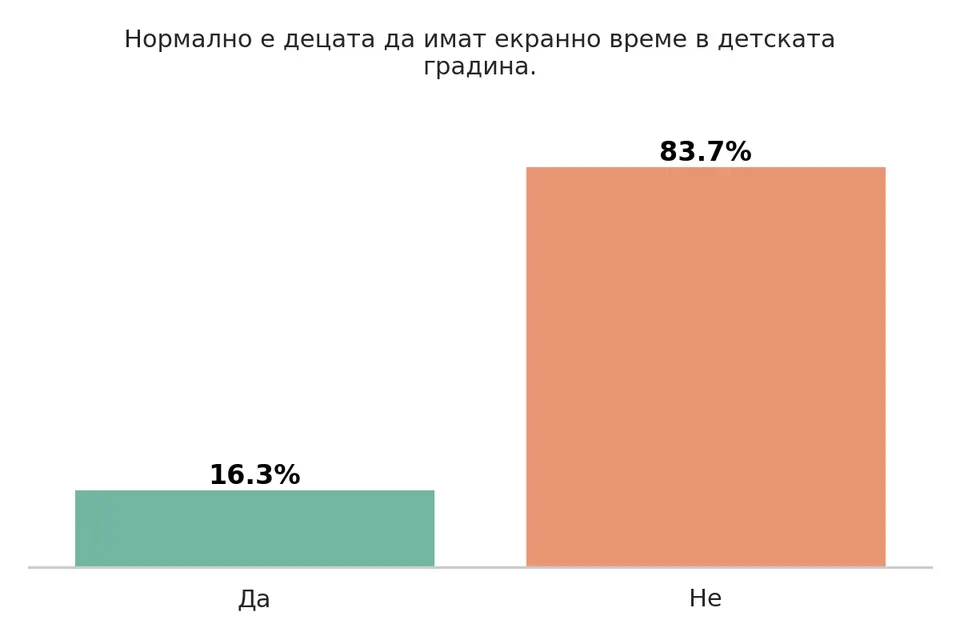
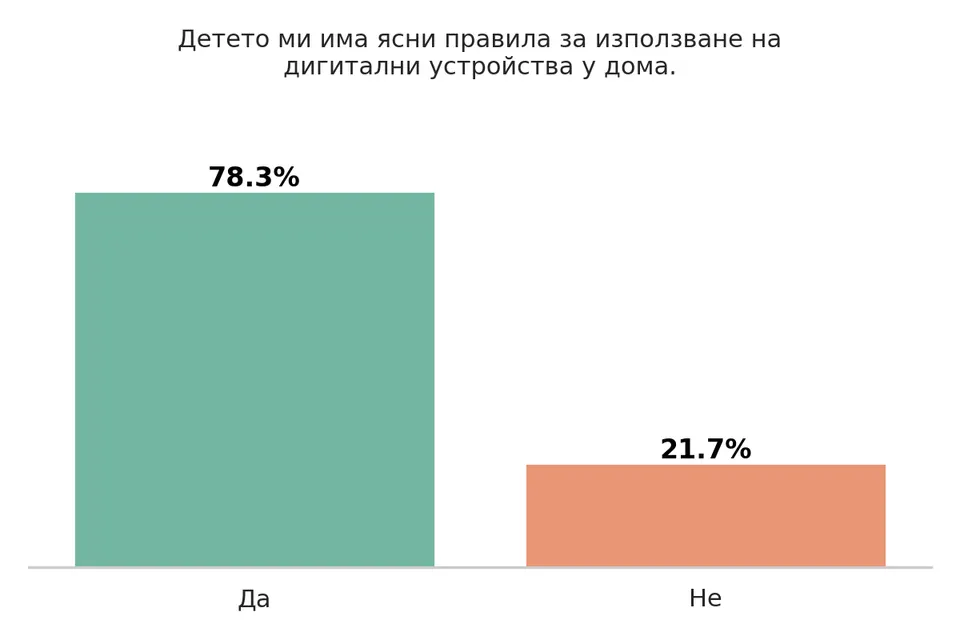
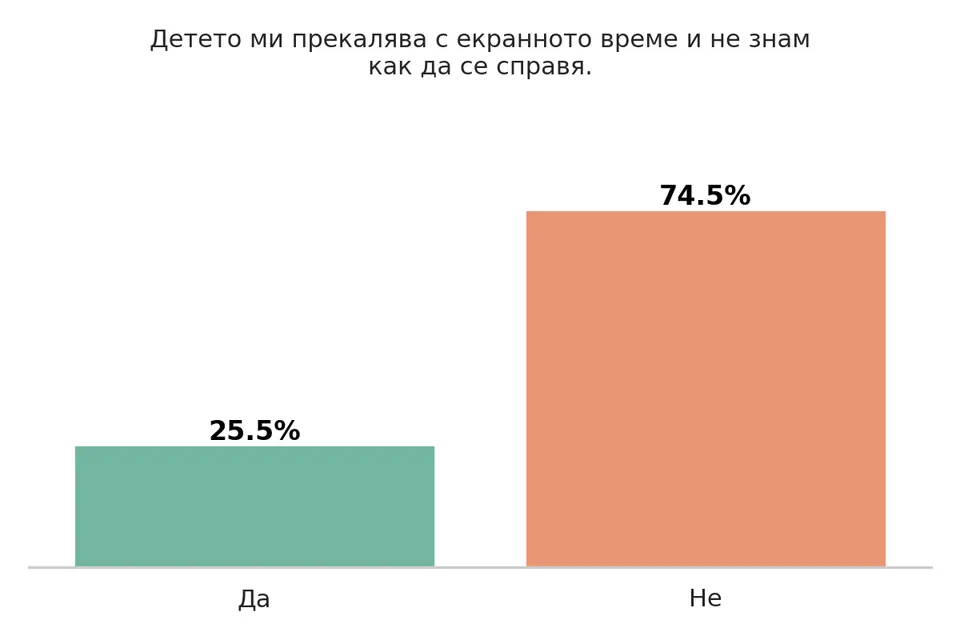
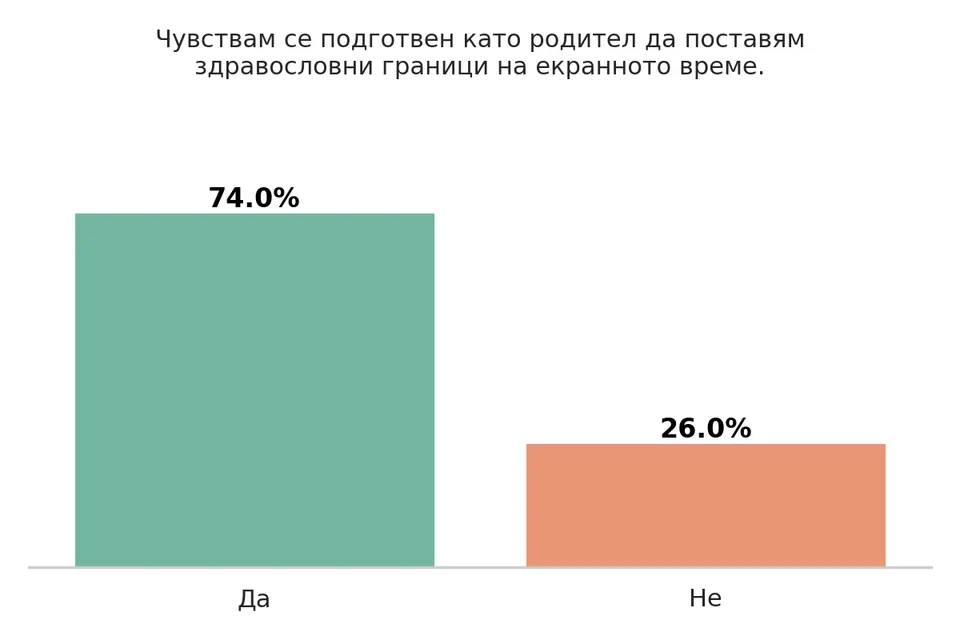
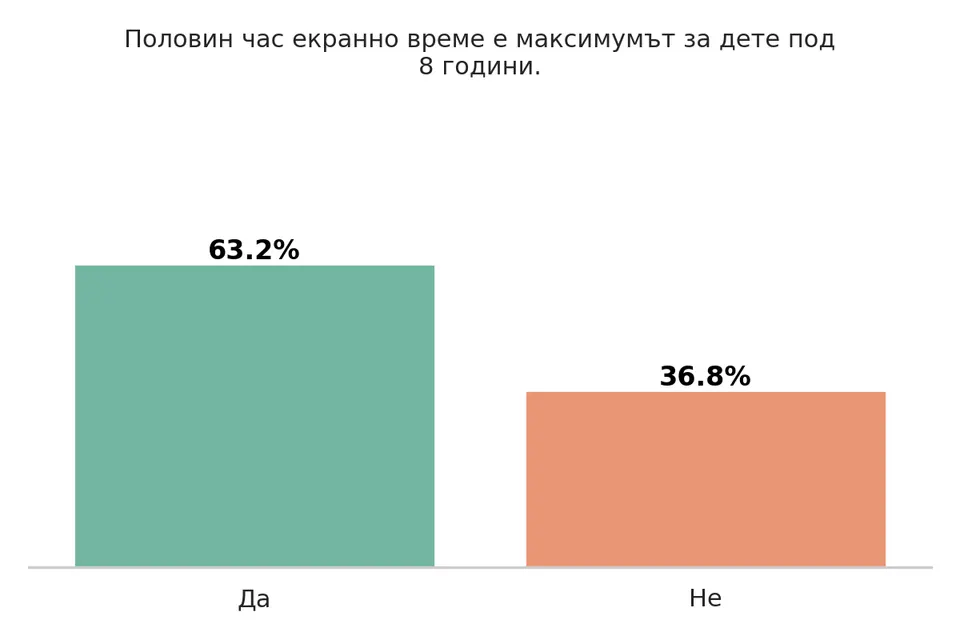
Here, too, the trends look relatively far from the gloomy expectations! One in five children under 3 regularly has access to a screen. Almost 80 percent of parents believe they have set clear rules for their children on using screen devices. And yet, looked at from the other side—one in four parents who took part says their children overdo screen time and the adults don't know how to cope. That is exactly what shows how important the subject is and why this series of children's Digital Stories exists (you will find links to all the texts in it at the very bottom): they are meant to be as useful as possible to precisely those parents facing this serious challenge.
And what do people think about another touchy subject—phones and screens in lessons, in the classroom, in kindergarten?
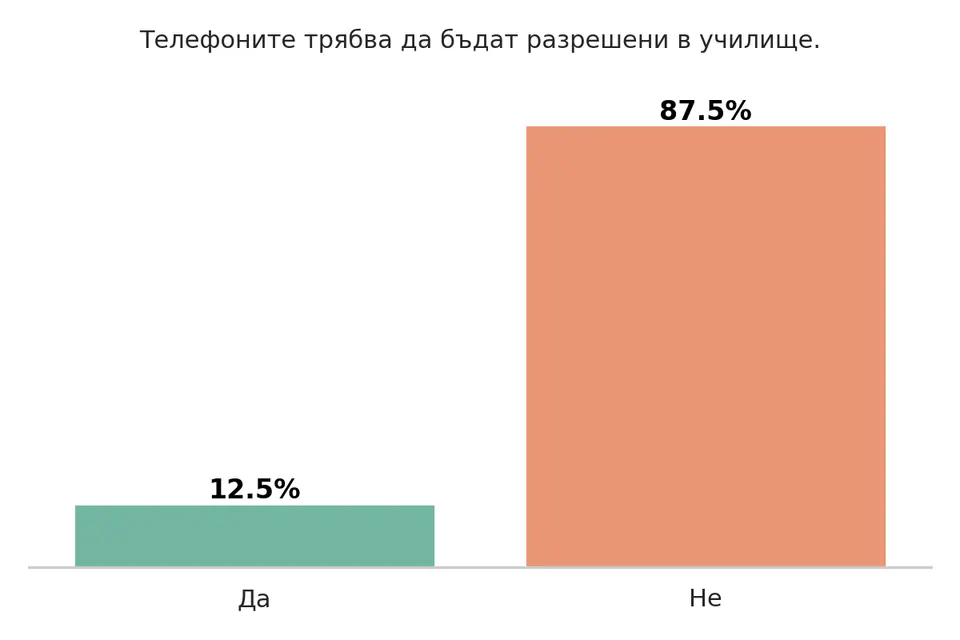
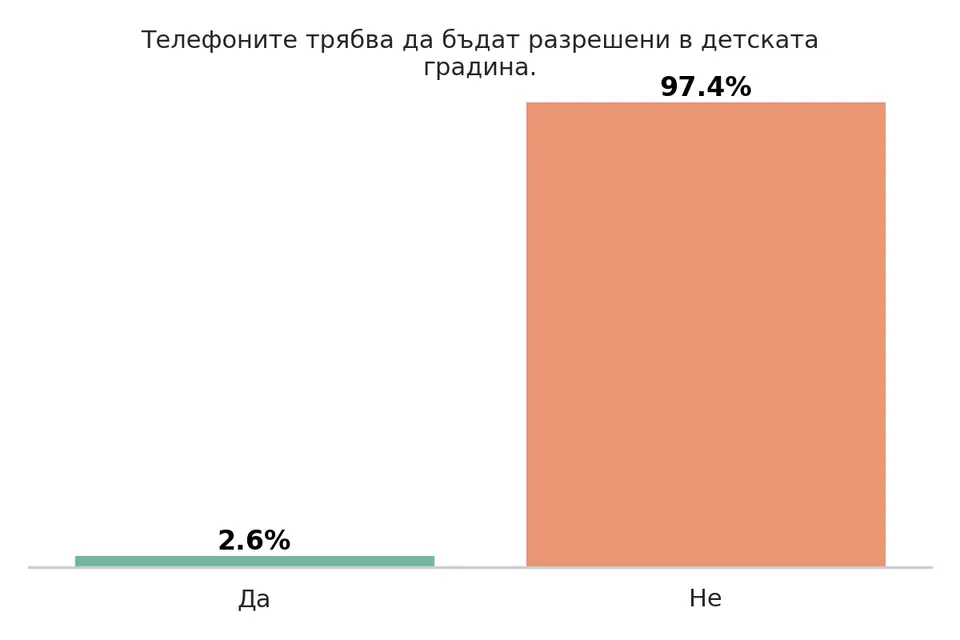
Here we can say we have something close to a consensus. Only a very small share of parents of children under 11 believe phones belong in school, and even fewer in kindergarten. Even by law, they shouldn't be there…
So is it really that hard to make it happen? Clearly this is a subject on which we hold a clear and fairly unanimous opinion! Isn't it time the institutions shared it?
The Teacher Factory
And while we are on the subject of educational institutions, let's turn to other aspects of the technological world and its connection to learning. Does education in our country meet the needs and demands of today and tomorrow?
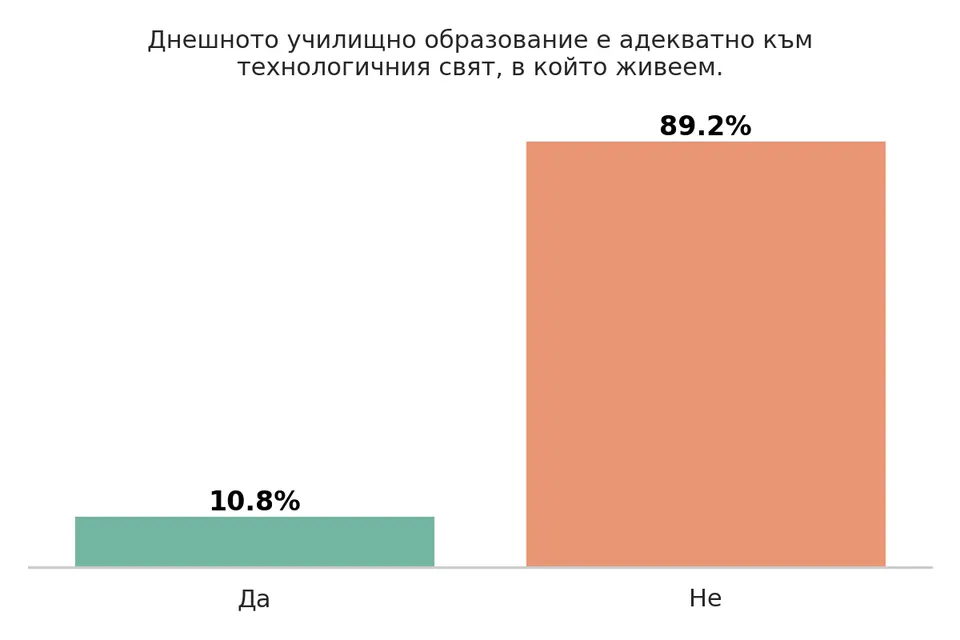
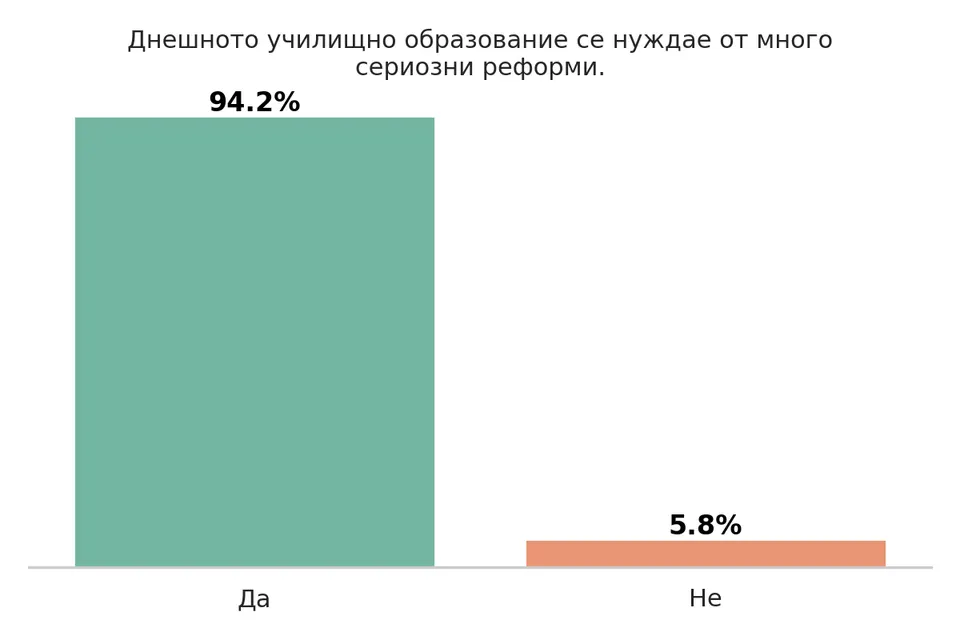
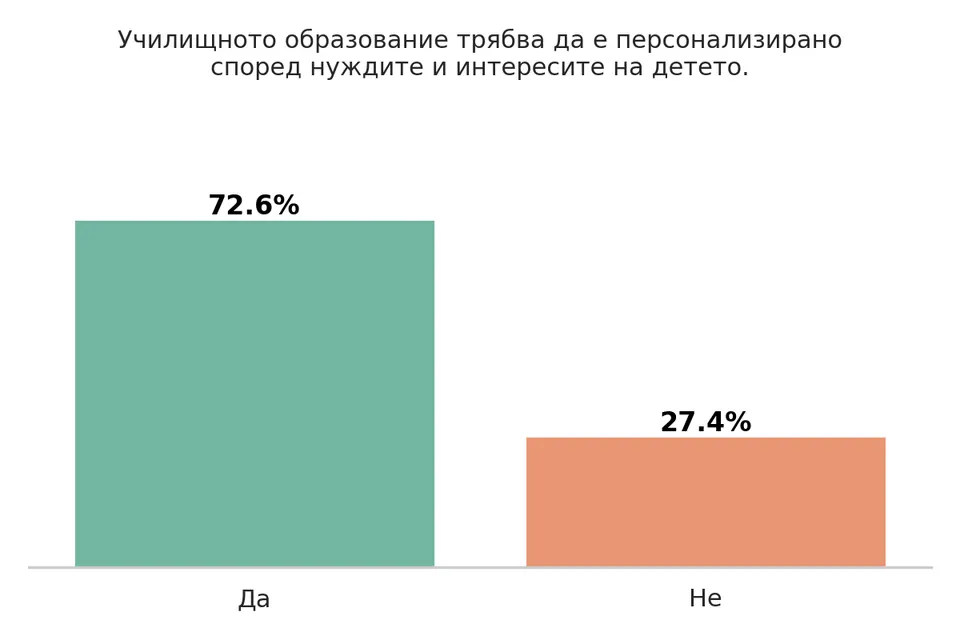
Clearly one point of view dominates here as well. Nine out of 10 parents believe today's school education does not fit the technological world we live in. Even more—an astonishing (to me) 94.2 percent believe it needs very serious reforms.
Opinions on personalization are a little more divided, which is also interesting. But if there is one conclusion that, it is no exaggeration to say, is screaming out loud, it is that the time has come for a very serious education reform.
The School of Torment
Another group of questions looks at how different parenting today is from parenting in pre-technological times. Is it harder, is it different, is the father's role changing?
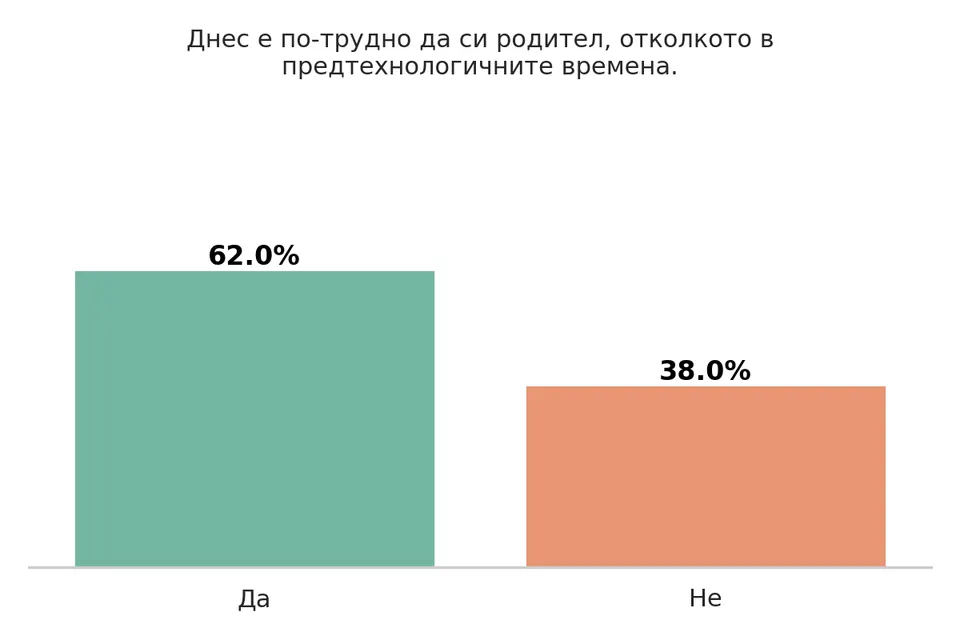
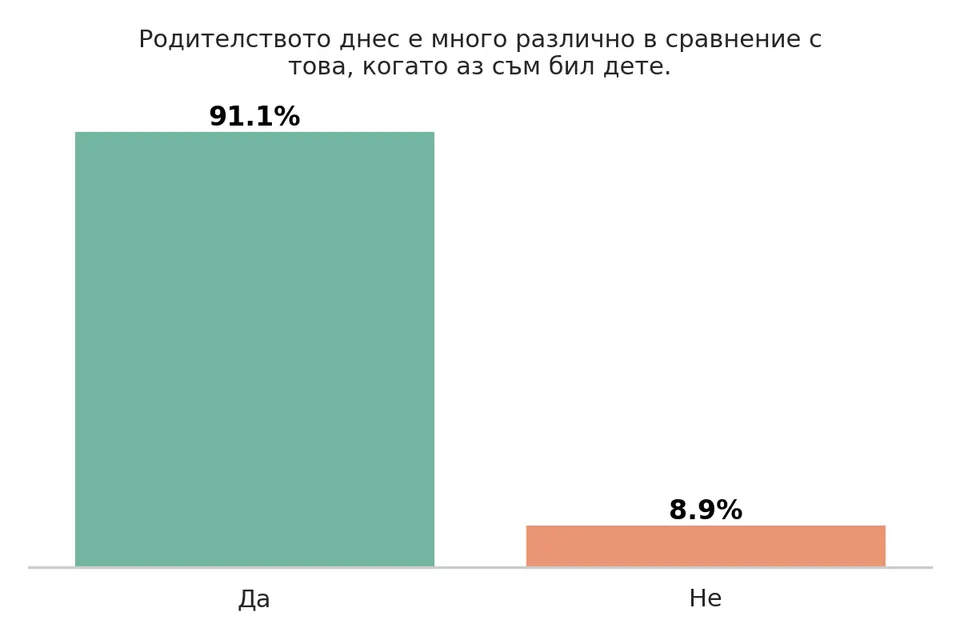
Here is the result that astonished me, at least. Yes, I fully agree with the 91.9 percent of participants who say parenting today is very different from pre-digital times, but… 62 percent believe it is HARDER today? Honestly, I can't get my head around it. If we go back one generation, we reach times when finding information was much more difficult. And a few generations further back—when our ancestors fought in wars and child mortality was horrifyingly high? Could it be that we overestimate the problems we have today? Yes, they are serious, the questions are big, but…
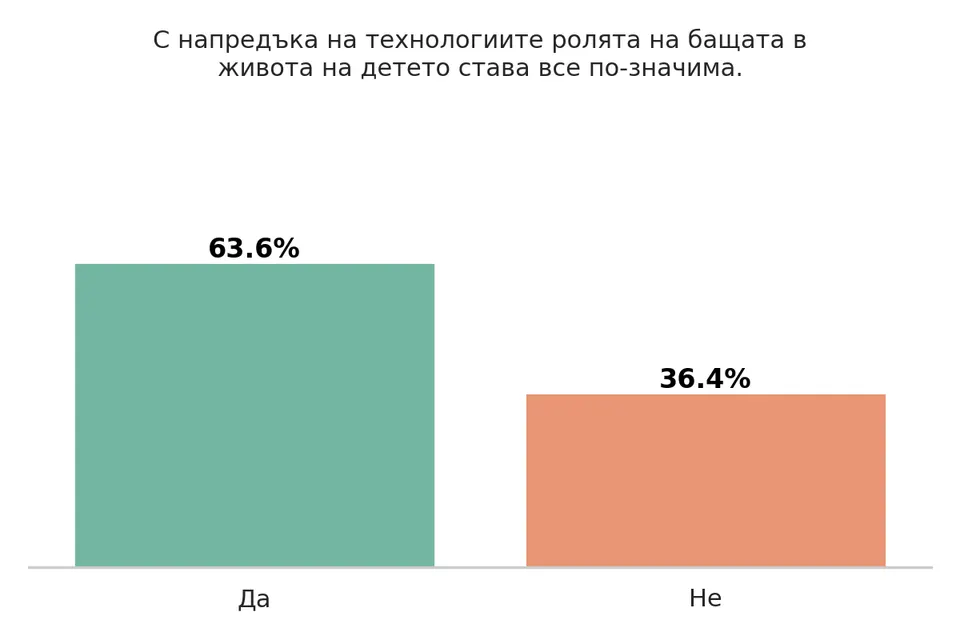
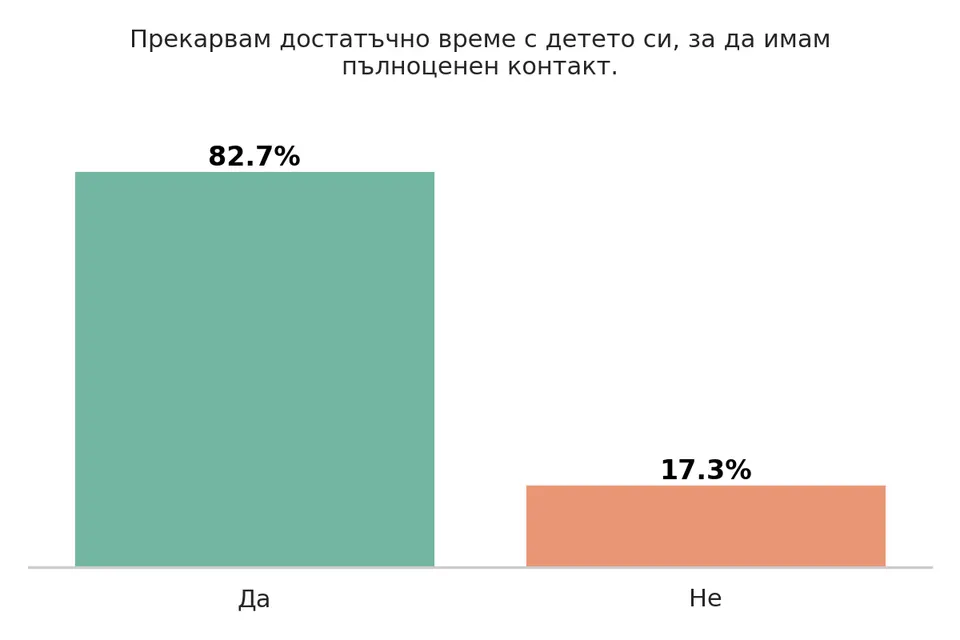
The father's role is growing ever more important, according to many people. Wonderful news, in my view! And 82.7 percent of parents have close contact with their child! Are these lovely trends really here? Or did only such special people come to my site to fill in the survey? I leave the answer to the sociologists—as I said, the goal here is a different one.
On the Edge
We keep painting the picture of parenting today.
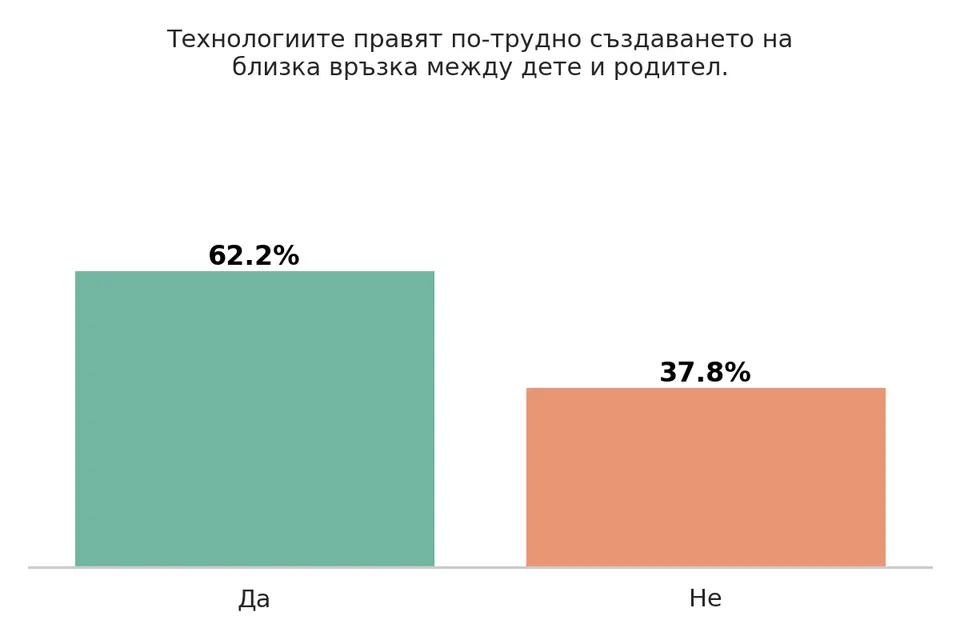
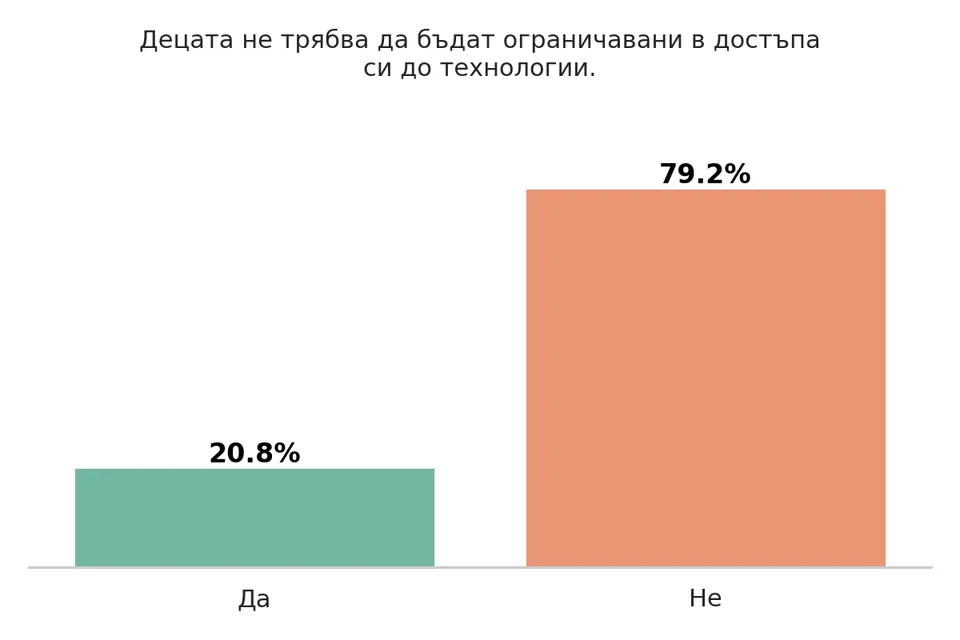
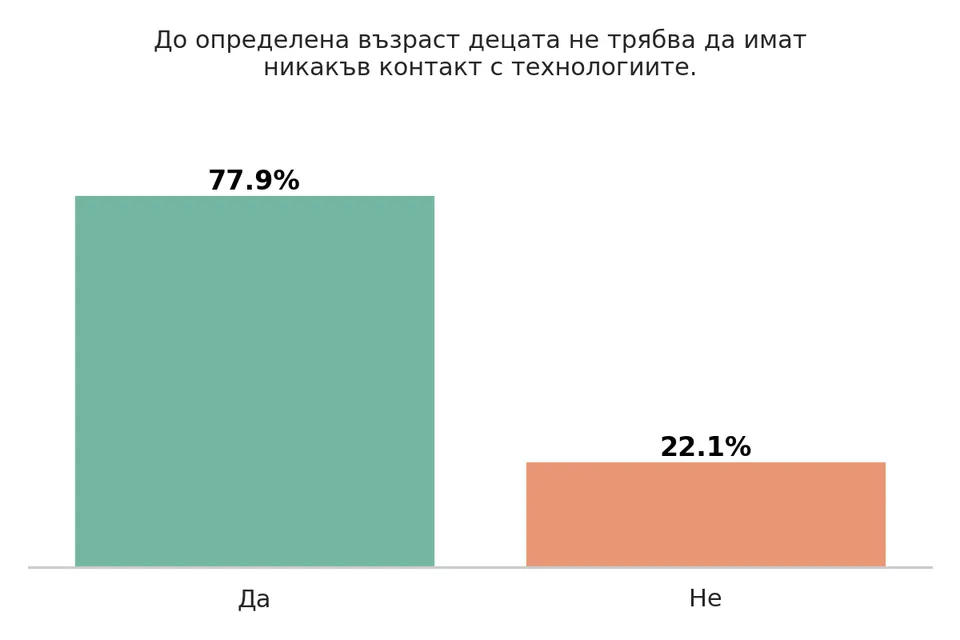
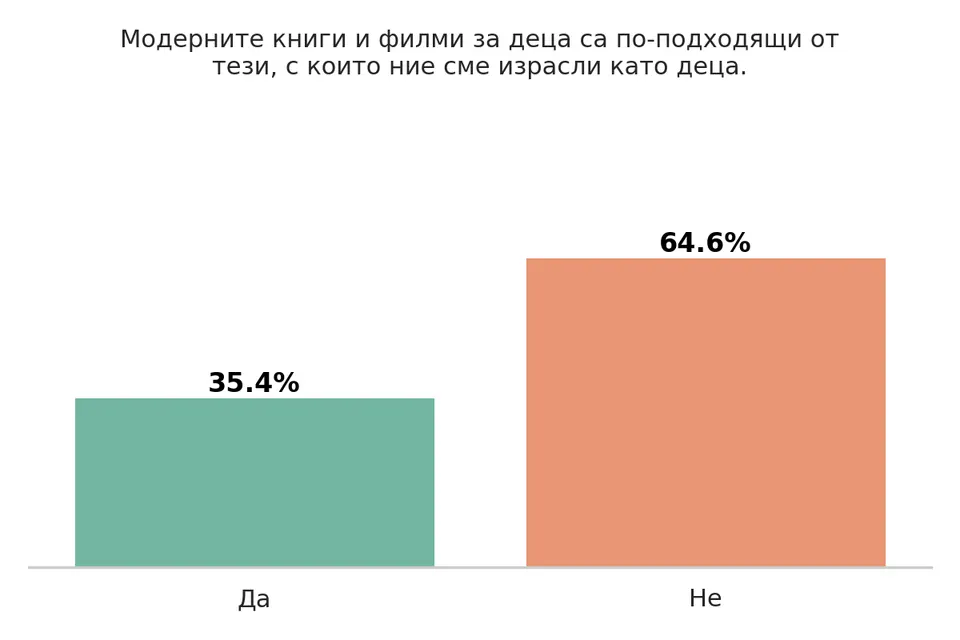
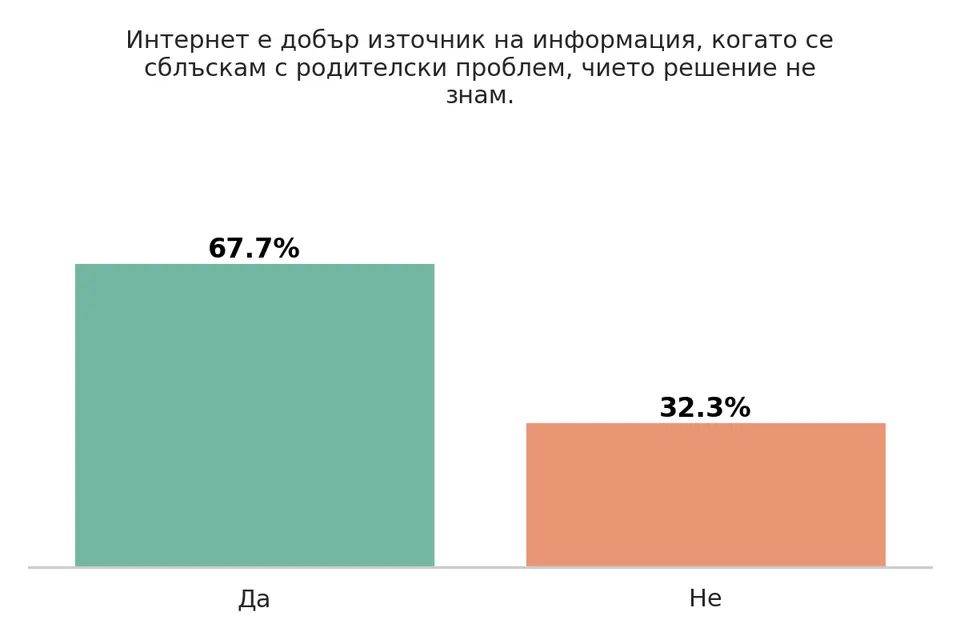
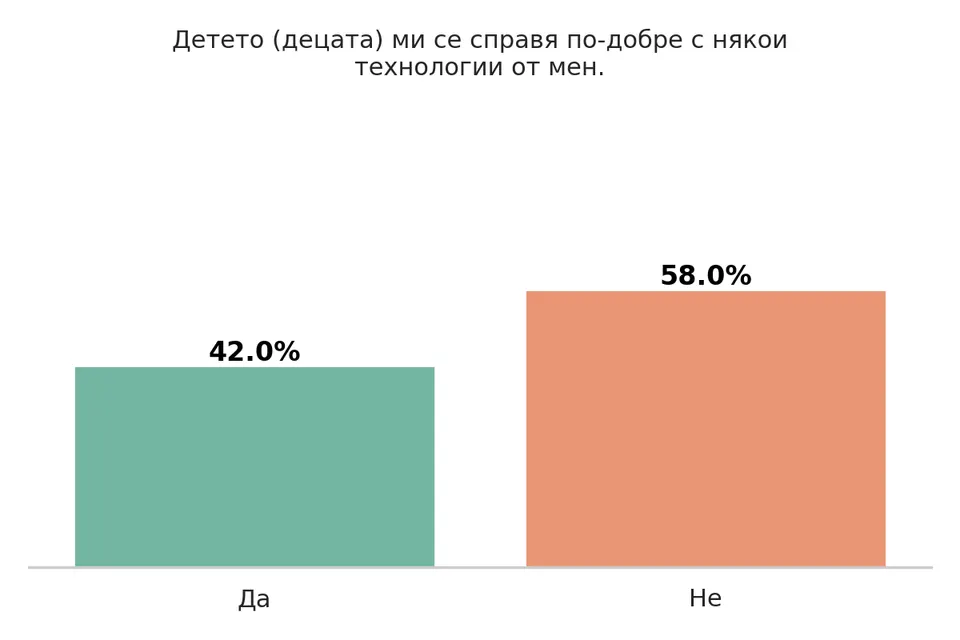
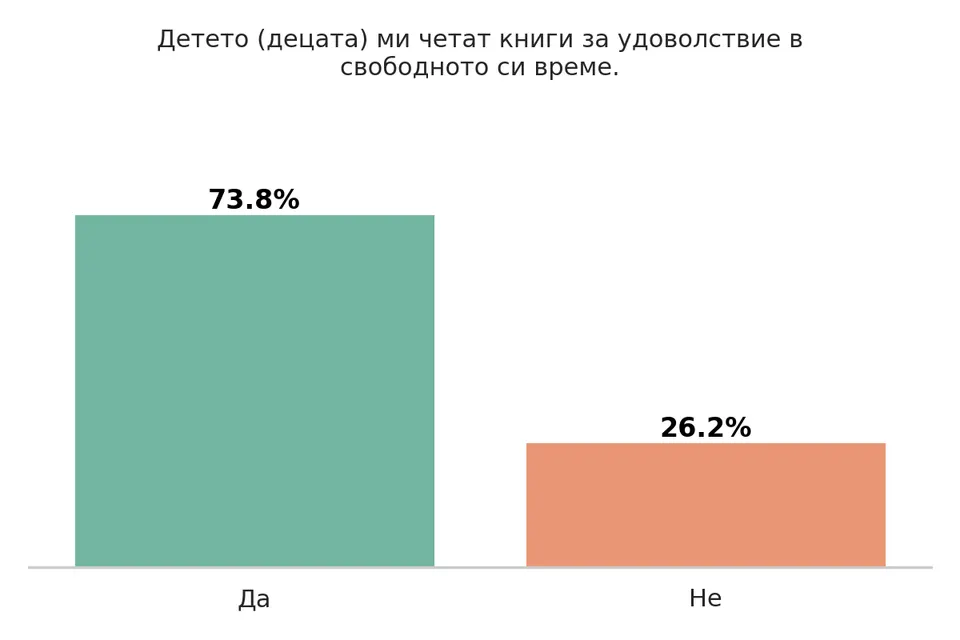
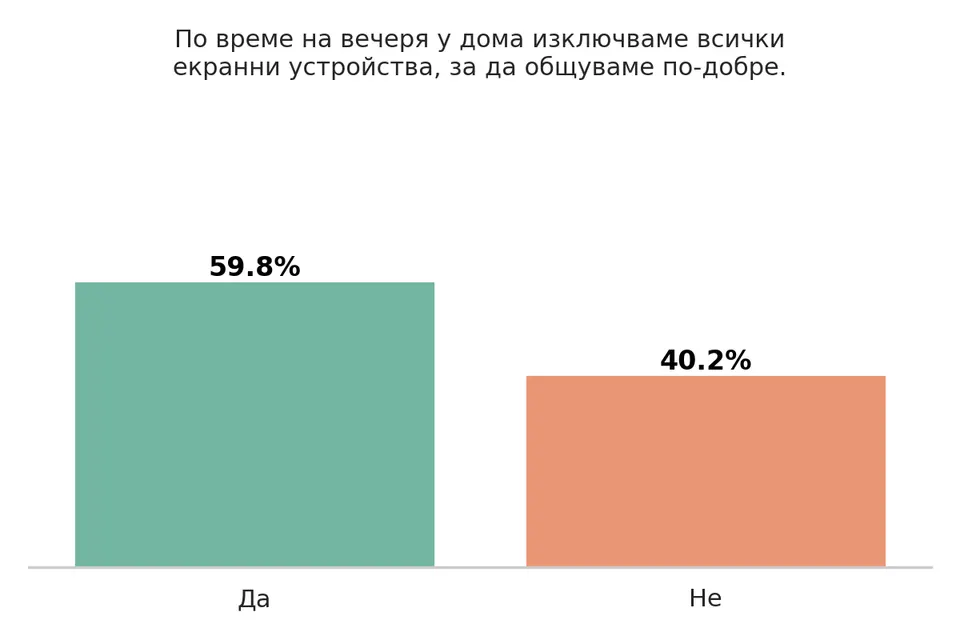
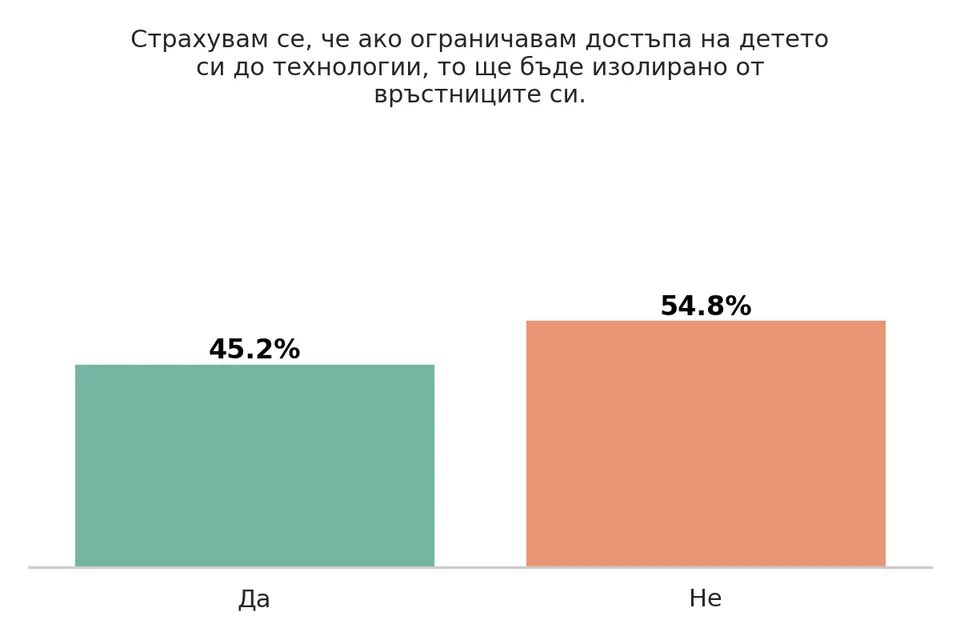
I'll leave the conclusions here to you; I believe everyone will find something useful for themselves. For me, for example, it is the fact that almost 3/4 of those who chose to answer this question say their children read for pleasure in their free time. Wow!
And 2/3 share my humble opinion that “the children's books and films we had back in the day…”.
The Wheat Fields Gleam Before Us
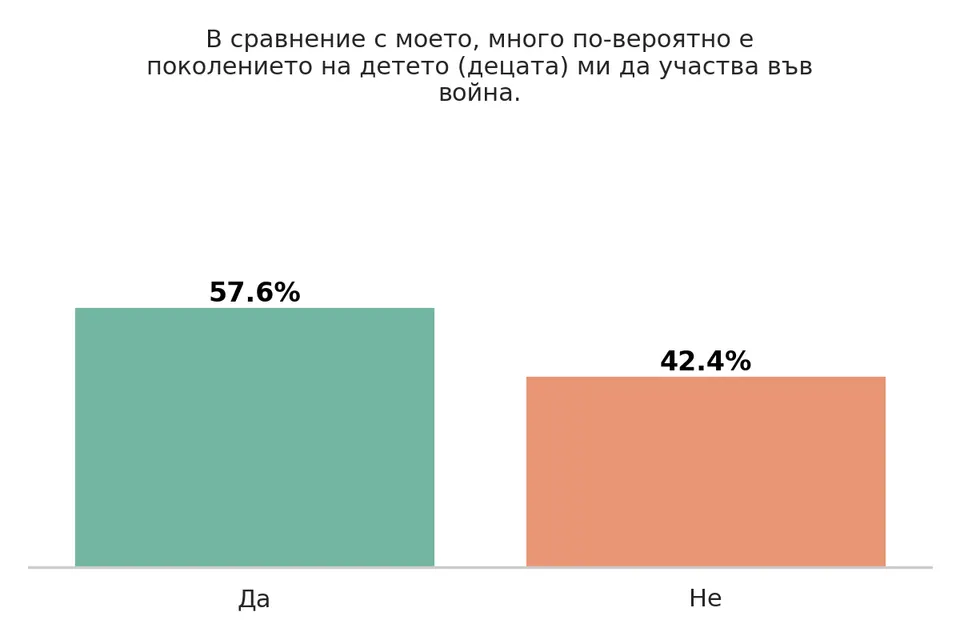
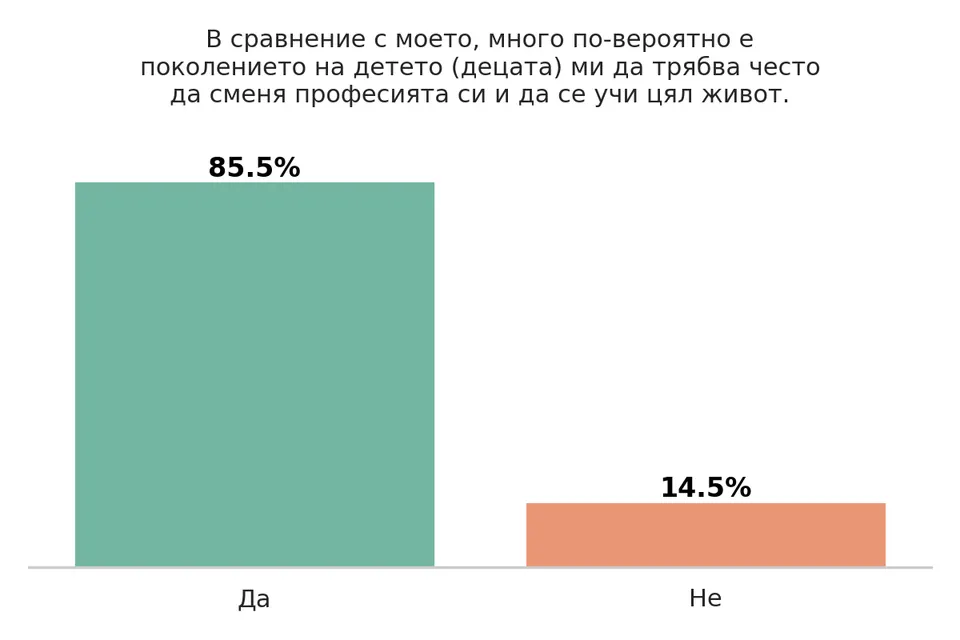
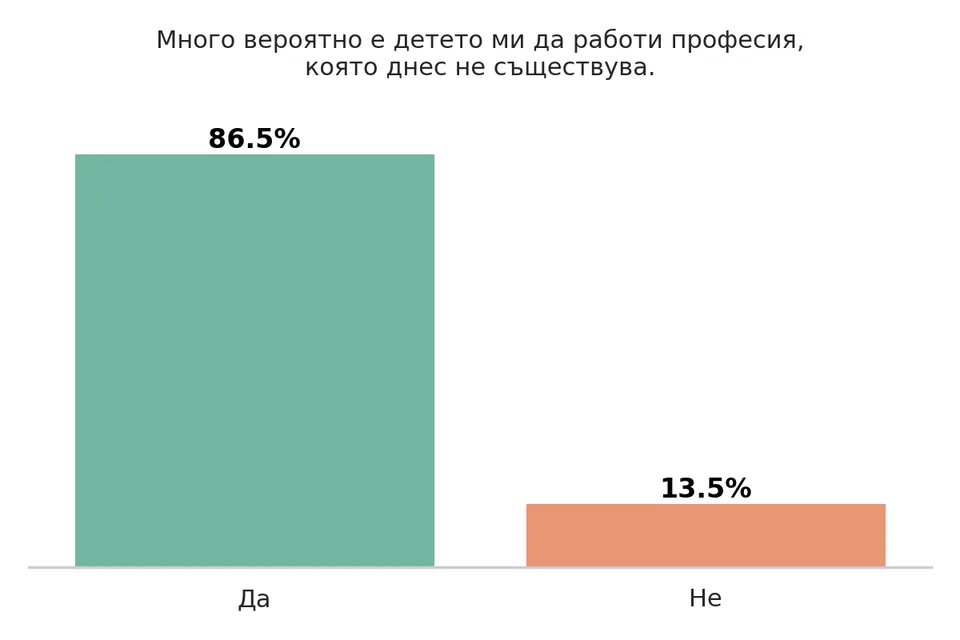
And when we turn our gaze to the future, some very interesting results show up too. I admit I have long been seriously worried by the oft-discussed idea that as the generation that remembers World War II passes away, humanity's immunity to the next such madness passes with it.
But what unites us to a huge degree here is the expectation of change. A huge percentage of parents believe their children will have to change professions often. And also that their heirs are very likely to one day practice a profession that does not yet exist.
ChatGPT Jr.
What are people's attitudes toward and expectations of artificial intelligence?
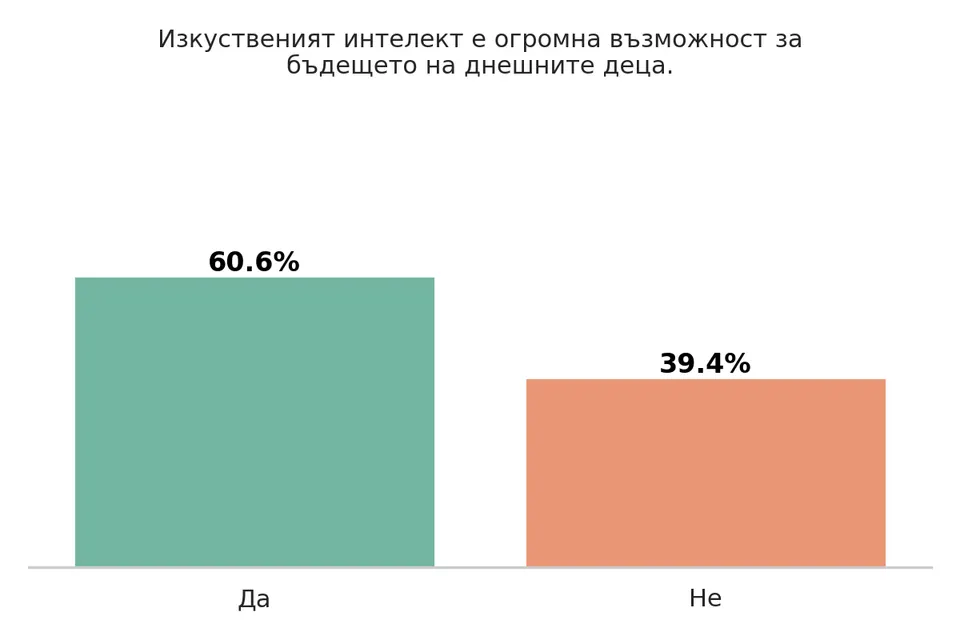
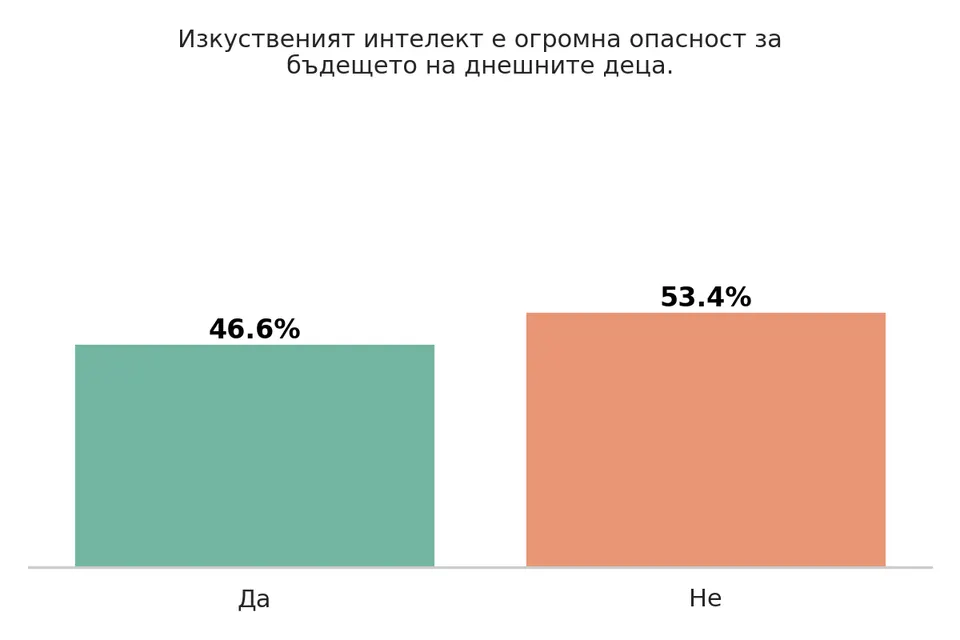
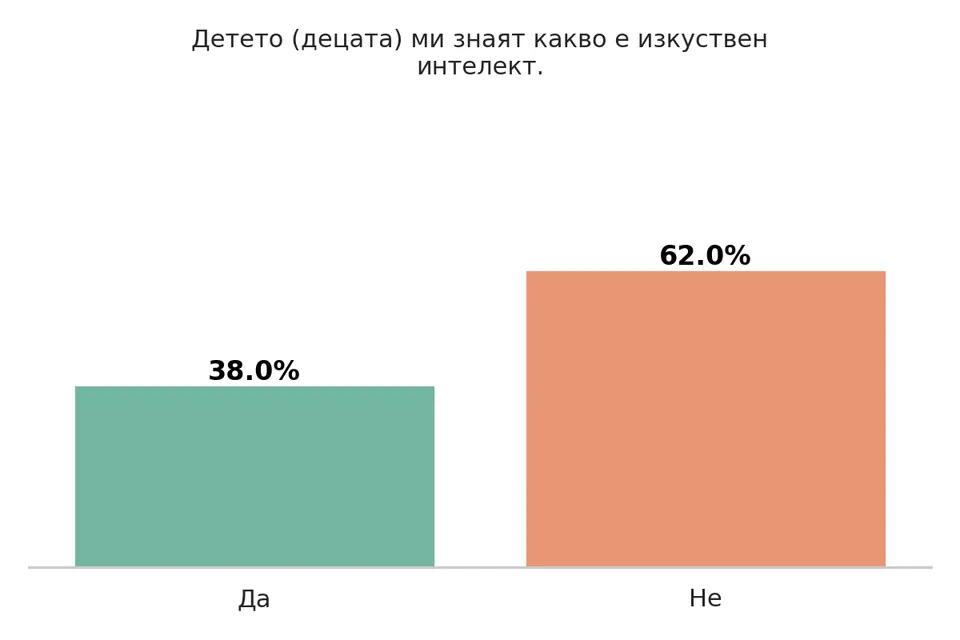
Here we see quite a big divide. The question of whether AI is a great opportunity or a great danger—or whether it is either of the two at all—splits parents' answers to a considerable degree, though the optimists are slightly more numerous. Interestingly, Bulgarian parents are evidently in no hurry to show their kids what this technology can do—only 38 percent of participants say their children know what AI is.
A Time of Parting
Which decisions are the hardest for parents to make today?
And so we reach the open questions. For the one above, the most common answers included:
- Limiting the time spent in front of a screen and, more generally, a healthy and balanced interaction with technology
- Choosing a school or kindergarten, and good enough educators
- Upbringing
- Setting boundaries for the child and sticking to them
- Finding a balance and combining parenting with work
- Preserving both parental authority and the children's love of freedom
A few more answers made a strong impression on me:
- “The decisions are actually quite easy. For example, choosing to turn off the TV—even though we know we, the adults, miss it, we also know it is good for us too. Not just for the child. Our child simply became the catalyst we needed to make countless changes in our lives that we knew were necessary anyway. People usually know what is good for them, they just choose the easy way.”
- “To offer the child activities that entertain, teach and excite them for more than 5 minutes. To introduce them to the world and to people in their dual nature. To awaken their instincts for self-awareness and self-preservation. To teach them that nothing is a given, but the fruit of effort, patience and learning!”
- “Parents' illiteracy about devices and their technophobia lead to raising children who in turn are either dependent on devices or afraid of them, living with the conviction that the computer will eat their dessert with a teaspoon.”
- “One of the hardest things for me is convincing my son that the real world is still far more exciting and interesting than the digital one.”
- “How to find the balance between providing for their material needs and overloading them with toys, clothes, pleasures. The balance between letting them choose whom to spend time with and limiting what we consider harmful influences. How to teach them to take responsibility and have their own duties.”
- “How do I set those blasted boundaries and hold to them without turning into a mean old auntie like the ones from my own childhood? How do I find the balance between no screen time and some screen time—mainly in terms of quality? The current Disney fads among kids drive me crazy; quite frankly, I find them to be chalga.” (Chalga is Bulgaria's brash, much-derided pop-folk.)
- “There are no easy decisions and there never have been when it comes to raising and bringing up children. But today's parents face a new kind of situation, problem and danger, which they usually have to deal with alone, unable to draw on the experience of the previous generation of their own parents. The most common problems have to do with relationships with peers. Whatever rules are set within the family, the child, once out of the house, inevitably ends up among other children who have unregulated access to electronic devices, social networks and content unsuitable for their age. And there the family can only counteract by building lasting habits in their children and an attitude toward what is right and what is not. The thing is, this is a process, and when the process is compromised by the influence of the environment at school, the results are hard to predict.”
Light, More Light
Which subject related to children, technology and the future is badly underestimated and not discussed enough?
I received more than 200 answers to each of the two open questions, and I am especially grateful for that!
Here are the answers that came up most often:
- Healthy limits on screen time and contact with technology
- Artificial intelligence and the big questions of the future
- Digital safety, cyberbullying and online crime
- Screen addiction and mental health—the word “addiction” comes up often
- Critical thinking and disinformation
- The influence of social networks
- Emotional intelligence and social skills
Some of the answers that made me think in particular:
- “How does the brain change as a result of the constant use of devices that save us effort on everything—does it waste away, does it fall asleep, or does it have time for other, more important things?”
- “Everything is discussed more than enough. I mean, here I am even filling in a survey, there is nowhere to hide from the thousands of proofs that we are ruining our children. Who stops blabbering about technology and the future? Where? Let me go there too.”
- “The children are zombified, slaves to technology, backed by their parents; they don't think, they don't know anything, they have absolutely no interests. Woe to their parents and to society as a whole!”
- “Far too much attention is paid to technology and far too little to general culture.”
- “Who we are is a fundamental subject. Qualities such as honesty, patience, nobility, courage and humility have not lost their importance.”
- “How children can think critically about technology, and why they need to be able to do things themselves before they make technology do them instead.”
- “Most children want to save nature, want there to be no wars, want technology to be used only for the benefit of humanity. How, when they grow up, can this way of thinking remain the main driving force in their lives, how can their value system stay steady despite life's disappointments? I believe there will soon be many valuable books and films for children about the dangers of artificial intelligence if it is not used the right way—to bring only benefits to humanity; about how to control the ways and the purposes for which it is used.”
- “Keep the connection with the land! Yes, the skills to grow fruit and vegetables, to care for animals, and why not, to chop wood!”
Well, it is precisely for these important and big questions that the Digital Stories site exists!
None of Your Business
As for the third open-ended question—what the child wants to be when they grow up—the answers were so interesting that I present them in a separate text. Still, the most common dream professions for today's children turned out to be:

After everything said so far, the most important conclusions from the survey, as I see them, are:
- Phones have no place in school or kindergarten
- 25% of parents admit they have trouble keeping screen time under control
- It is time to start serious changes in the education system as soon as possible, so that it fits the world of today.
- Those who believe parenting today is harder and drastically changed compared to pre-digital times clearly dominate.
- A huge share of parents believe their children will live in very different times, will change professions often, and need to be ready for that kind of adaptability.
- Artificial intelligence sharply divides people over whether it is a positive or a negative phenomenon for their children's future.
- Parents want a broader public conversation and more useful resources to help their children meet technology in a healthy way.
And now for the promised prizes! Three of the participants who chose to enter the draw receive a signed copy of the book Digital Stories as a gift. They are di***@abv.bg, konst_*******@abv.bg and vlad******@gmail.com.
And once again, heartfelt thanks to everyone who took part! If you have ideas for future Digital Stories, I would be grateful if you shared them here—a modest prize awaits…
So far in the Digital Children series: