Latest stories
All stories →The Logic of Emotions: Why We Hate, and How to Stop
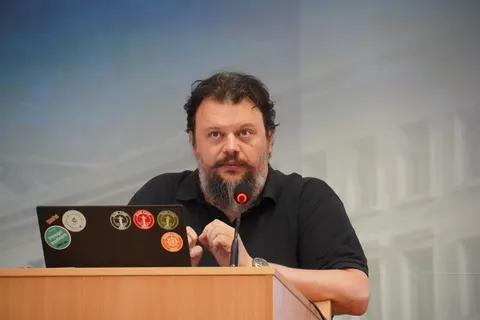
Two IT people sat down… to talk about communication. Technologies change; the people who use them don't. Why does a programmer with 20 years of experience insist that the most important skill in his profession is understanding people? And what does that have to do with hate on social media and with artificial intelligence?
 02
The Wolf Has Been Catching Eggs for 45 Years. Who Dreamed Him Up?
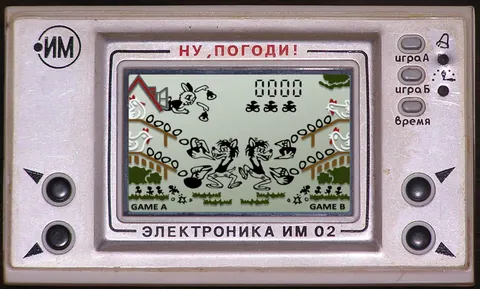
Why on earth is the wolf from Nu, Pogodi! collecting eggs instead of chasing the hare? How did that same wolf help Nintendo turn from a playing-card company into an electronics one? And why is this story the exact opposite of the other cult game of the same generation, Tetris, which came out of the USSR? And finally, the game itself, written by Claude in minutes.
 03
The Claude Before Claude
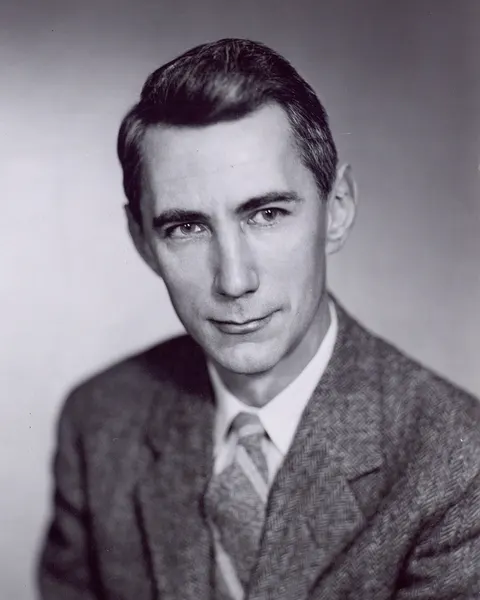
Who is the man whose name we utter every day the moment we open one of the most popular artificial intelligences? Why will no one confirm that the bot is named after him? And how did a seemingly unremarkable mathematician, who rode his one-wheeled bike through the corridors of MIT, arrive at the idea that gave birth to both the mobile phone and large language models?
 04
How (Not) to Build Your Own (AI) Monster
In an age when hyper-advanced AI is shaking up every corner of our lives, it gets ever easier to grant it human qualities. But how hard is it for a kind, meek, ever-helpful AI model to turn into… a villain? To become rude, discriminatory, insulting. Aggressive, threatening, even dangerous? It turns out to be a far less complicated task than we would like. Just as with people, where the thin veil of upbringing, civility and kindness slips off easily under the right circumstances, AI can show its ugliest face without all that much effort. We will see this for ourselves through a fascinating experiment described to us by IT specialist Damyan Deshev. Why does it matter? Because in times when advanced agents increasingly slip out of control; when open models can run on hardware anyone can afford; when we place more and more trust in ever more convincing and polished language models, the future of all of us depends on how well we discuss, understand and contain problems like these…
 05
“Let Humanity Have Its Fill of Playing with Technology”
How did we lose the ability to wait, and why does it matter that we get it back? Will we learn to be bored well when technology supposedly frees up our time? What will the last book written by a human say? Violeta Radkova impressed me with her debut novel I legloto ni e zelenina (And Our Bed Is Green). She is a translator and editor, and her book rests on her great-grandmother's memories, written down in a grocer's ledger, while she wrote much of it on her phone. Caught up in the present, we talk about the future and the past, the fast and the slow. About books and meaning.

“I believe in metaphors. I believe in the power of words. I love the meaningful stories that don’t fit the templates.”
 Georgi KaramanevJournalist, novelist and programmer · author of Digital Stories