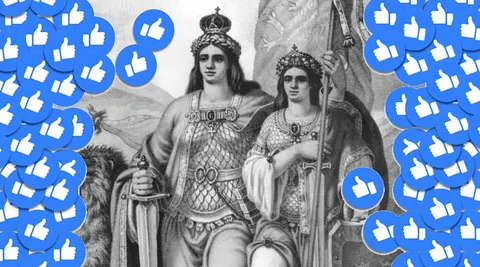
Inside the Bubble of the Like-Minded
All the big websites look after us almost like parents: they pick the most suitable content for us and save us time and effort. But this is turning into a serious problem for society. The filter bubble makes us more closed to other opinions and more aggressive, drags many of our ugliest traits into the spotlight, and robs us of the nuance and beauty of communication.
 02
“The False Sense That Our Opinion Matters…”
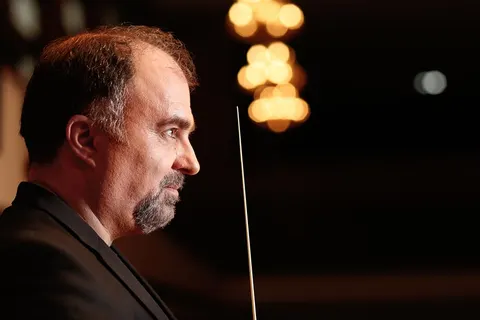
Maestro Nayden Todorov is a world-class musician, but also an erudite man with a broad outlook and a distinctive view of technology and the way it changes us. Why does he believe our constant rush is a disease we must fight? How is the digital world pulling us away from our humanity, and why is art the only salvation? How did the maestro go 12 years without setting foot in an opera house, horrified by his first encounter with one? And why does he often run an experiment, going to an online forum to defend two opposite points of view in an attempt to escape the filter bubble?
 03
The Algorithms That Sealed Us Inside the Bubble
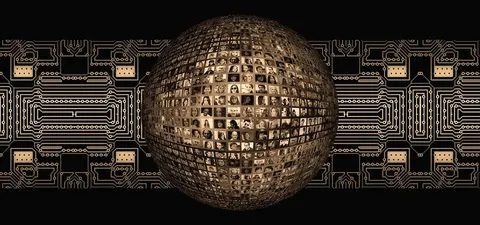
Recommendation algorithms are the reason we end up in the “filter bubble.” They already know everything about us, so it matters that we learn more about them, too. Machine learning algorithms are neither good nor bad. How much power we give them is up to us alone…
 04
Happy Birthday, Digital Stories. Time for Presents!
Exactly a year ago, on March 1, 2021, the Digital Stories site was born: a small island of essays and reportage about the latest technologies and the challenges they put in front of us. Together we set out on a journey where two worlds meet, the humanities and technology, in search of our shared future as a species. Now it is time for a short look back at the year, and then for presents. They are definitely worth it!
 05
Alone Among Facebook Friends
We surround ourselves with “friends” on more and more social networks. And, all too often, we stay alone. When does the supposedly so social online world make us feel lonely? Are we really raising generations that will lose normal human contact? When does loneliness become a problem?
 06
Dunning and Kruger: The Power of Not Knowing
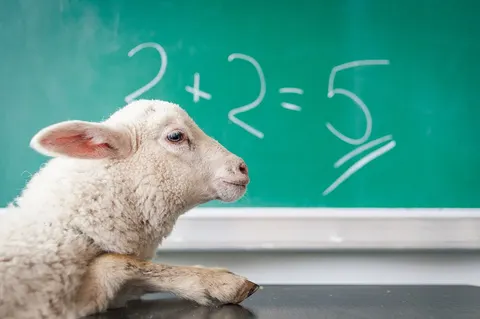
Psychologists Justin Kruger and David Dunning are the creators of the famous theory that describes so much of today's online communication so well. It can also help us understand the problems piling up in the way we get our information online. The theory is simple but revealing, just like the experiment it was born from. You've surely heard of it, but it's worth digging a little deeper into its meaning and learning its instructive story.
 07
“Today, Even Reasonable Arguments Fail to Persuade”
Svetoslav Ivanov is a landmark journalist, reporter and host because he looks not only for what is topical but for what is meaningful and deep, for stories that can move people and show that making television can still be an art. What would he ask a perfect artificial intelligence, what are the greatest dangers such technologies pose to society, and why do people who think differently so often end up in an “online prison” today? And will we ever manage to create an algorithm that tells moving stories like Ivo Ivanov?
 08
“AI Is Bringing a Revolution to Photography”
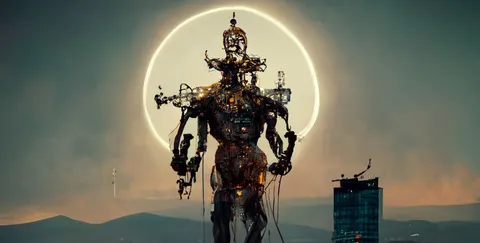
“Photography works with a high level of abstraction and metaphor. I didn’t expect software like this to exist any time soon, but it turns out I was very wrong,” says Ivaylo Petrov. The experienced photographer is among the first enthusiasts to get access to a new artificial intelligence which, he believes, has the power to revolutionize photography and the way we perceive the world. See the wonders the AI painted from the prompts Ivaylo gave it, and read why the photographer is so impressed by what it can do.
 09
Where Did All the Hate Come From? Is There a Way Out?
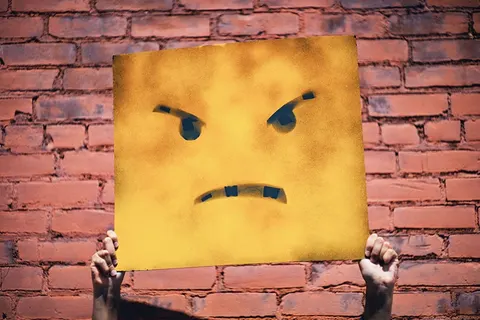
I've read the headline, and I already hold an extreme opinion. Time for a nasty comment—let the hating begin! But where did all this aggression come from, why must we answer rudely even when we merely disagree with the person behind the other profile, and is there any way to save ourselves from the exhausting hate of online conversation?
 10
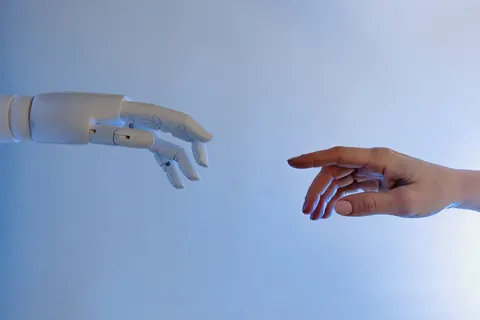
RoboGod: What Should Artificial Intelligence Believe In?
If one day we create a technology indistinguishable from a human, will it… believe in God? What will its God look like? Might it try to become God itself? Or… simply be God? Technology and religion have always had a complicated relationship. But will they find the road to the future and to the survival of the human species together?
 11
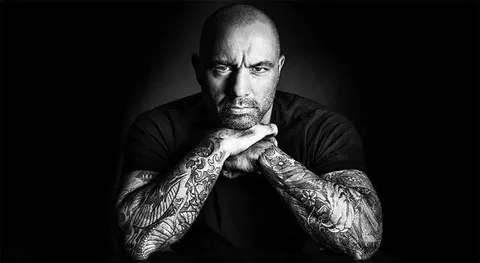
Horned Joe and the New Journalism
$200,000,000. That, it turns out, is what the notorious Joe Rogan got for his deal with Spotify. The creator of the most successful podcast certainly paved the way for the whole genre. He is everyone’s favorite figure in the battle between anti-vaxxers and vaxxers, the “modern” and the “backward,” left and right, all those who envy him, are outraged by him or simply admire a strong persona. So who, in the end, is this seemingly simple-minded muscleman who has gathered so many eyeballs… and millions? How did it get to the point where even the White House grew indignant with his employers because of him? And how is his story connected to the future of journalism?
 12
What Do Google and Facebook Know About You? And Why Does It Matter?
“If something is free, you are the product.” “You are not the internet giants’ customer, you are their product,” says Jaron Lanier, a researcher who knows very well what hides today behind the facade of the information society. How did the data of billions of users become one of the most valuable commodities of our time? What do the biggest players “know” about each of us? And why is it so important to stay on guard?
 13
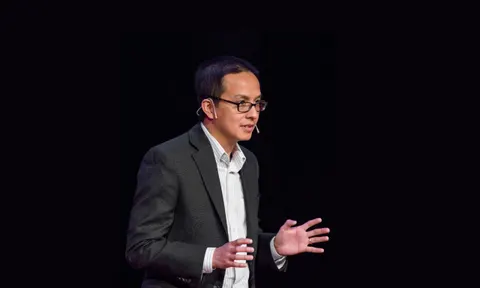
“Today, Everyone Online Lies However They Please”
We meet Vu Nguyen—Vunyo, to his friends—again to chat about the present and future of journalism, about technology, and about the challenges and the bright sides of life in Bulgaria. A former journalist at The New York Times and a top-level IT specialist in the US, he and his wife decided to move back to Bulgaria after their son started calling the laptop “grandma”; he then won hearts on the Bulgarian edition of MasterChef and ran his own restaurant for a while. Today he is back in the world of information technology, but now here at home.
 14
Divide and Rule, Online
Could any of the most meaningful events in our history, whose undisputed benchmark is the Unification, have happened in the age of social media? In a time when the online world shapes our consciousness even more than our offline being does, is it really worth repeating the famous line “Unity makes strength”?