The AI Detective: Can Technology Give Us Back the Truth?
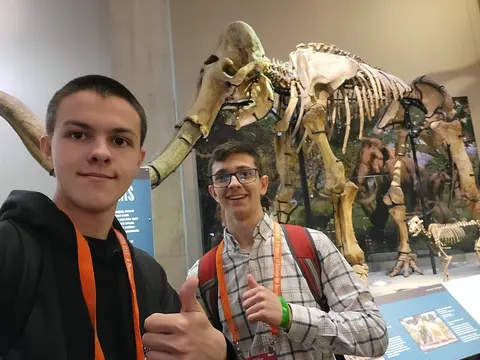
After a Digital Stories experiment with almost 2,000 participants showed that we can no longer tell AI-generated images and texts from real ones, it is time for the next step: could artificial intelligence itself become our salvation in this unequal battle for the truth? Radostin Cholakov, from the Rhodope village of Barutin, and his friend Delyan Boychev, both finishing high school this year and both already accomplished in the world of neural networks and computer vision, decided to find out. AI creates remarkable images today, but can it tell truth from lies and judge which picture was made by a human and which by an algorithm?
 42
ChatGPT vs. the Champions: The Last One Wins!
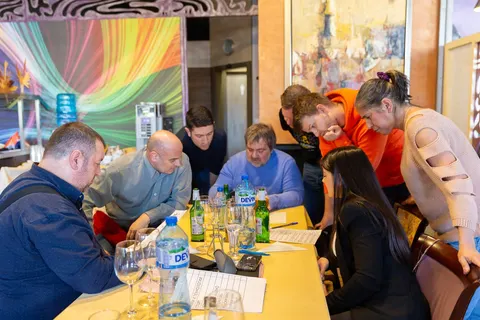
Do you know which place in Bulgaria had the highest average IQ on March 16, 2024, between noon and 6 p.m.? ChatGPT couldn't even guess. But I know the answer. No, it wasn't the National Assembly, Bulgaria's parliament. Eighty people had gathered in a restaurant in Plovdiv for an intellectual contest, many of them familiar to anyone who follows trivia, quizzes and television knowledge games. Split into 10 teams, they faced one another and, at the same time… the aforementioned ChatGPT. No fewer than 33 of them had won the show The Last One Wins on BNT 1 at least once (myself included). Almost all of the most popular contestants, with impressive tallies of victories, took part. The rest of the 80 who joined the club were contestants on the show and fans of quizzes as a format. What kind of unusual contest was this? Who turned out to be the big winner? What is the future of intellectual games in our battle (or encounter) with technology? Why would anyone today need to know and remember facts that are an arm's length away online?
 43
Human or AI: Can We Still Tell Who Made It? (The Results)
Can we tell what was made by artificial intelligence from what was made by a human? Let me start with the short answer: we can’t. That is the main conclusion of the experiment held on the Digital Stories site, but there are so many other curious details that should make us stop and think… Did Hieronymus Bosch or Petko Slaveykov prove harder to recognize? Maria Zhekova’s dishes or Violeta Kuneva’s stanzas?
 44
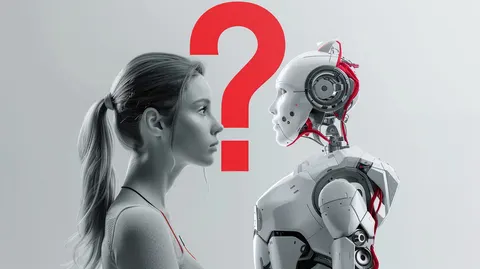
Human or AI: Can You Tell Who Made It?
Can we still tell what a human has created from what artificial intelligence has generated? Let's run an experiment together that may yield some very interesting answers. Thirty quick questions, about 5 minutes is enough. All you have to do is decide which of the images and texts were generated by AI and which were made by people. Join in and give it a try! Invite your friends too! The more people take part, the more interesting the results will be! Responses will be collected for two weeks, until March 8, 2024. Five participants will receive a gift.
 45
How to Generate Yourself an Influencer
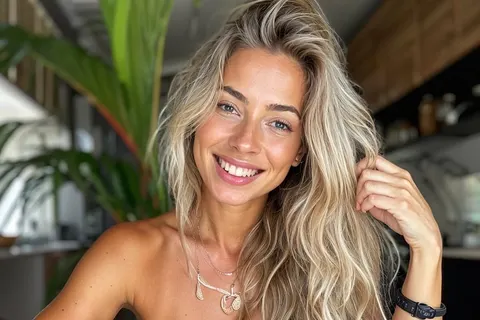
How could you not like Elena Dimitrova, or simply EcoElena? Blonde, smiling, upbeat, she travels, lives in harmony with nature, hands out useful tips and offers exotic recipes. There is just one more detail: she doesn't exist, and in a month of posts in her name, 84,519 people saw her, nine proposed romance, and not one noticed that every letter and pixel was generated by AI.
 46
Meet… Yourself?!
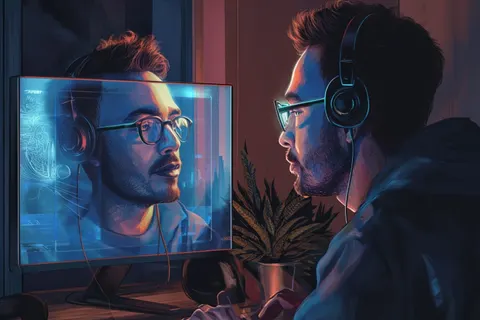
“Talking to yourself isn’t so bad. It gets bad when you start answering.” I am going to create a virtual double of… myself. What could we possibly have to talk about?
 47
AI Built a Cell: How an Algorithm Painted Beloved Bulgarian Songs
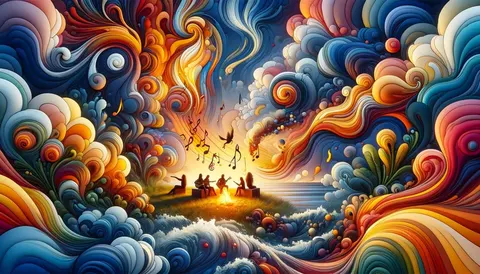
Artificial intelligence now creates images hard to tell apart from photographs, and that can even change history—but has it learned to “paint” originally, impressively and without obvious blunders, even when the description is abstract, poetic and laden with meaning? Let’s reflect on that with a short but instructive experiment: how will ChatGPT cope with illustrating the lyrics of beloved Bulgarian songs? I pick 16 Bulgarian poetic works from different eras and genres completely at random, some of the most recognizable verses ever to become melodies, and see how the algorithm draws them.
 48
An Experiment: Has AI Learned to Translate Yet?
Is the technology finally here for high-quality translation, including to and from less widely spoken languages like Bulgarian? DeepL boasts of being “the world’s most accurate translator,” and plenty of people already use it every day, but how will it handle classic passages by Tolstoy, Murakami, Remarque or Gospodinov? Will we end up lost in translation, or is translation one more field where we can now rely on artificial intelligence, so that the money spent on the kids’ private language lessons turns out to be thrown to the wind?
 49
“Sometimes I’ll Come…”: How AI Illustrated 10 Classic Bulgarian Verses
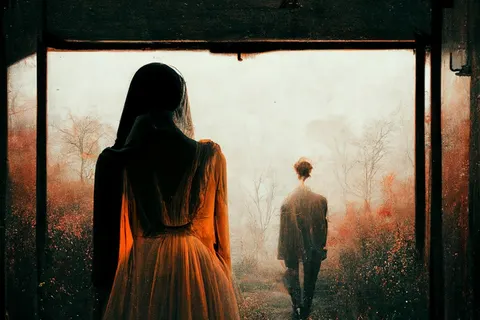
What illustrations could artificial intelligence draw from the works of Botev, Debelyanov, Boris Hristov and Georgi Gospodinov, and how would image-generating algorithms interpret classic lines of Bulgarian literature? This kind of AI has been a hit in recent months, a striking example of what technology can already do, and it has given rise to a new skill: describing an image so precisely that the algorithm generates exactly what you expect. So what happens when we “feed” it the stanzas of proven masters? Here are the fascinating results!
 50
Experiment: Can AI Do Our Writing for Us?
There is no doubt that we already read algorithm-generated texts every day. How does it work in practice? Are there AI-based programs ready to take the bread from the mouths of people who work with words? Reporters, editors, proofreaders, copywriters, digital marketers, writers, translators… which of them could be the first to be “replaced”? I meet several of the most popular apps for generating and processing text. Here is what they have to show.
 51
An Interview in… Short Stories?
Our guest in the Digital Stories Interviews section has a talent for reading the future. Nikolay Tellalov is a beloved writer, and although he has long been an interpreter and connoisseur of technology, he lives at a healthy distance from it. Here is what he has to say in… short stories: digital stories, miniatures that say a great deal in an infinitely small space.