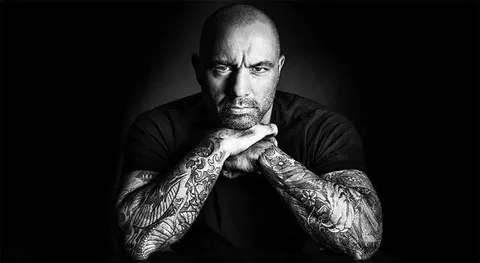
“We Live in a World of Copying, of the Shallow, of the Fast”
At 21, he stepped in front of the camera of Po sveta i u nas, the flagship evening news of Bulgarian National Television. Seventeen years later he walked away and crossed over… into the world of technology, because that is where he sees the change he wants to help bring about, and the future his three kids will live in. Spas Kyosev is one of the most recognizable faces on Bulgarian television and the youngest anchor of the main news in the history of BNT, and for years he drove the BNT Taxi, an award-winning, thoughtful show that gave everyone a say on the big issues of the day; there is so much to talk about—technology and journalism, television and reading, news and commentary—so hop into the Digital Stories taxi too: it’s free, and it always will be!
 02
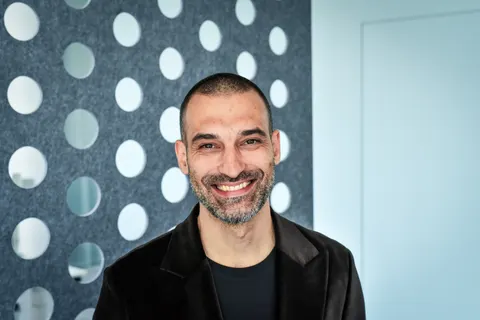
“Sadly, Football Is Becoming More and More of a Reality Show”
If you love sport, I recommend this conversation. It will make you think in some very unexpected directions. “Walking encyclopedia” is a cliché that is no exaggeration for a handful of Bulgarians, and in my view today's guest is one of them. Teodor Borisov is a sports journalist who travels the planet in search of powerful football stories that are still being born in these technological times. A historian and author of books on Bulgarian history and sport, he writes questions for many of the most popular TV quiz shows, a path that began when he won Minuta e mnogo (A Minute Is a Lot) three times. There is nothing from the past of Bulgarian (and not only Bulgarian) sport you can ask him about that he doesn't know. Today, though, something different will happen. I will ask him about the future. About the magic of sport and King Football. About the commercialization and oversaturation that come with technology and can drive away even the most loyal fans. About the crisis of authority.
 03
“I Want to Live in a World Rich in Meaningful Conversations, Inspiring Stories and Responsible Journalism”
“We forget because we cannot keep up with processing all the information that reaches us and making connections between events, and this makes us very easy to manipulate.” Daniel Penev, a journalist, translator of nonfiction and author of books about the people changing Bulgaria, talks about the stories worth telling today. And about why, in a world of daily divisions, it matters more than ever that we keep talking to each other.
 04
Assange and Freedom
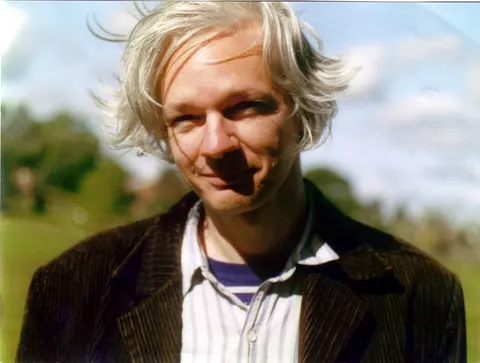
Where is freedom today? Where it has always been: in ideals. And in the deeds of the ever fewer people for whom it remains a cause, not a hollow cliché. After a 14-year battle that at many moments looked doomed, Odysseus has finally returned to Ithaca. The private jet landed in the Australian capital, Canberra. Out stepped the white-haired, charismatic man known all over the world, and he waved to the journalists and well-wishers who had gathered. Then he embraced his two young children, whom he was seeing in freedom for the first time, far from the oppressive bars… The heroes of the past fought for freedom. For the independence of their peoples, against slavery and injustice. And today's heroes, the ones future generations will honor? If there is a tomorrow, it will mean they have won, however unlikely that may seem. Today's heroes fight for freedom too. Alas, they are neither as many nor as well known. But if there is one whose battle for the truth has reached a great many people, it is without a doubt our hero today. Julian Assange has become a legend, a symbol. And his story is so thrilling and so full of twists that it is worth digging into. Along the way, we will let him speak through a few important quotes that, I hope, will make more people think about the truly important issues of our day. The very issues Digital Stories exists for…
 05
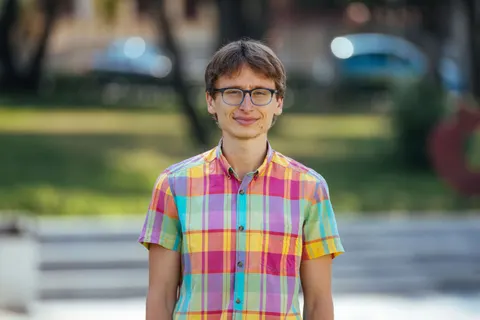
“The World Is More Chaotic Than We’d Like. And Science Isn’t Here to Comfort Us”
Do you believe in astrology, the power of chakras, reptilians or a flat Earth? Stefan Markov, a Sofia University lecturer known online as The Science Guy and the author of Algorithms of Delusion, talks about pseudoscience and conspiracies, science and authority, and why the world needs better storytellers.
 06
PC Mania, Gamers Workshop… The Legends Return!
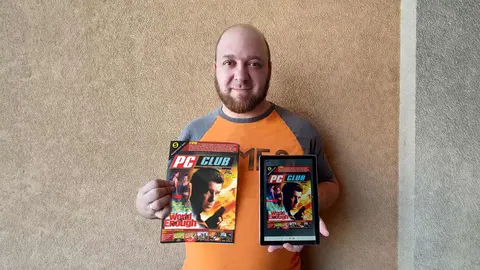
You love computers, and to be able to use them… you buy magazines!? Isn't that strange? Isn't everything online? It is today, but this digital story was born in a computer past that feels both recent and very far away. A kid dreams of a magazine with James Bond on the cover, gives up his pocket money to buy it, and loses it to the “big guys” a few hours later. Decades on, Project Lazarus lets anyone browse the complete collection of the legendary Bulgarian computer magazines of the 1990s and early 2000s. Which one did you love?
 07
Where Do Happiness and Success Meet?
Is there a recipe for success, and what is success anyway? Polina Marinova Pompliano, the journalist behind The Profile and the author of Hidden Genius, has made it her mission to find out, while offering a powerful glimpse of what the journalism of the future might look like. We talk about money and luck, the imperfections that make art, and the enduring power of stories.
 08
How Did We Break the Conversation Online?
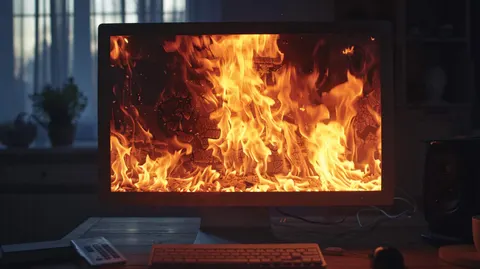
Never before have we been able to talk about the things that matter, hear the smartest people and debate them the way we can online today, and yet… we spend our time looking for something to fight about. Here is a small experiment, garnished with eight things to think about, that follows a single article about covid on its journey through social media. A reflection on where we have ended up.
 09
The Wanderer Who Toppled a Government (Without Meaning To)
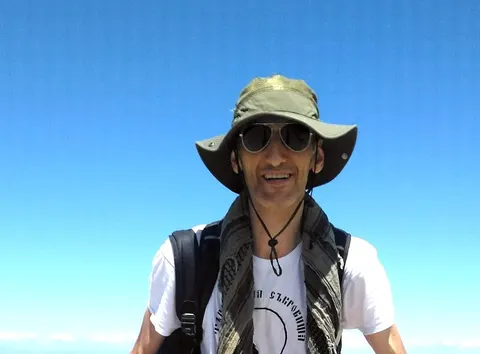
Can we change the world around us—our country, the world—simply by writing online about what moves us? We can, and here is the strongest proof I have ever come across. Meet Chergar, the legendary anonymous blogger whose satirical mystifications became part of Bulgaria's digital folklore, and one of whose texts ended up, entirely against his intentions, bringing down the Bulgarian government.
 10
“We Have Yet to Learn How to Be Bored Well”
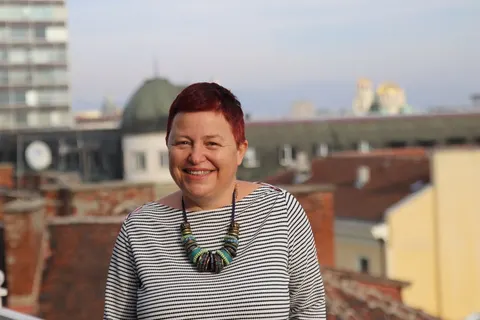
“The big question is how society will transform. Because we can see that right now things are not happening the way they should. Even capitalism is in its twilight, close to its end. We don’t know what comes next or what it will look like, but it certainly won’t be driven so much by the huge businesses that are finding it harder and harder to exist.” Justine Toms has rich and varied experience in the internet era—in communications, digital marketing, design and entrepreneurship. She teaches at New Bulgarian University and SoftUni Digital. She organizes the Site of the Year awards, and her personal blog has been running for almost two decades. With the eye of a scholar, a practitioner and a teacher, she follows how communication online is changing and where technology is taking us. How can we be sure today that we are not missing something important in the flood of information? Or that we are not falling victim to manipulation? What will the new media look like after… “the death of the media”? Will they manage the task of helping us find our bearings? In a world that is doomed to face a sweeping transformation in the years ahead…
 11
“All the Stories Have Been Told. But How Will the Words Tremble?”
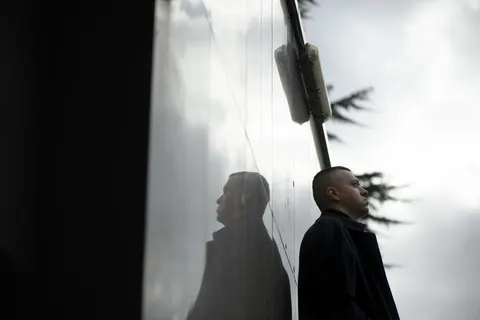
A director, rapper and podcaster meets a journalist, programmer and writer. A conversation with the roles of host and guest swapped… and although there are only two of us (plus, of course, one more wonderful podcaster), it turned out that these combinations of three callings apiece hold some interesting nuances. The podcast 2&200 is a classic of the genre and shows why this form of conversation is turning eyes and ears back toward shared words. We continue the conversation for admirers of Kusturica and/or Dostoevsky and/or Marx with Orlin Milchev, once known as MC ATILA, a man able to pierce with words and questions. He is also a director, and last year saw the release of his debut feature film, The Art of Falling. A guest with an unexpected view of the big issues of today, interwoven with technology. The “Scourge of God” has long ceased to be a single hero; it is what we have created online. But what is looming ahead?
 12
Is There Still Such a Thing as a Foreign Language?
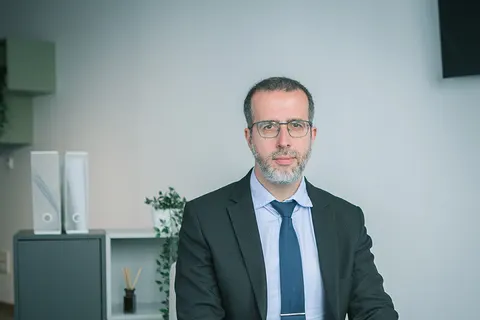
Is there any point in learning foreign languages? Machine translation has developed astonishingly fast, and today it captures much of what needs to appear in another language… Have we reached the limit, and what comes next? Kaloyan Kirilov, a translator and interpreter with nearly two decades of experience, on the art of translation in the age of advanced artificial intelligence—and on whether we can teach an algorithm to curse convincingly enough to sound like a native speaker.
 13
Gaddafi and Zuckerberg Walk into a Bar…
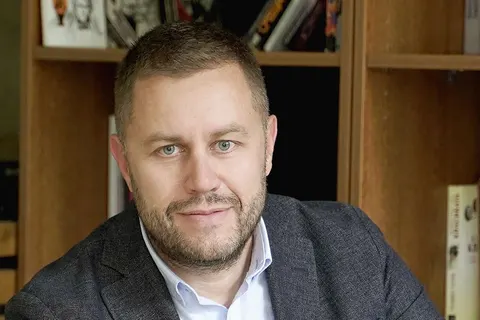
What do Mark Zuckerberg and Muammar Gaddafi have in common, and is travel still worth it now that we can see everything online? Georgi Milkov, a journalist who once went to a bar with Vladimir Putin in the middle of Sofia, talks about the riches of technology and what it takes away from us.
 14
What Do You Want to Read Tomorrow?
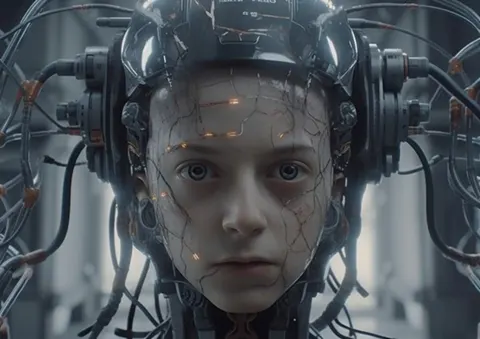
How do we want tomorrow to look, and will we still tell truth from lies as we sink ever deeper into our bubbles? Over the past 20 years we have forgotten how to read long texts and changed our very relationship with the truth. My answer to how we save the future may sound idealistic, because I am betting on the contender losing the battle for attention most badly today: traditional media.
 15
“Artificial Intelligence Will Simply Make Our Work More Pleasant”
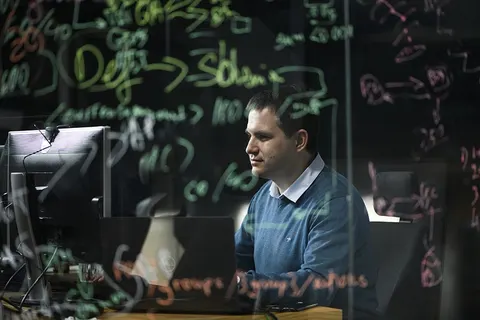
Will ChatGPT's successors write the news for each of us, exactly the way we'd like it? Hristo Tomov, head of AI at the software company Dreamix and one of its founders, talks about personalized news, filter bubbles, fake news and the limits of large language models. How far has artificial intelligence come, and what does the future look like if it keeps developing at the same pace?
 16
Hating, Outsourcing, Branding… Must We Always Parrot English?
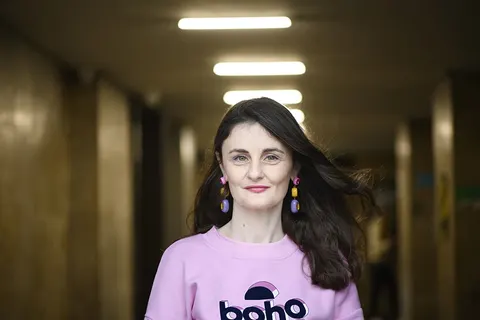
“We need to talk and think about our language, about what it will look like and the state in which we will leave it to our children!” How is our language changing, and are we growing careless with it? Why do we now accept foreign words uncritically instead of trying to explain them? Are all languages doomed to be gradually influenced and “swallowed” by English? Rada Gankova works as a conference interpreter in Brussels. She has a particularly interesting view of the word and of our attitude toward it. In the capital of the EU she teaches Bulgarian to people who translate from our language into other European languages. For her own satisfaction, she also translates literature. One article on her blog brought together the pepper roaster and the air fryer. What could they possibly have in common? The subject is very important: how our own attitude toward language is changing. We used to have imagination and, when needed, we “built” words, while today we take them ready-made, and so we leave them without logic or context. And what hope, then, for the world of AI, IT and high tech…
 17
Lex Fridman, the Cool Scientist
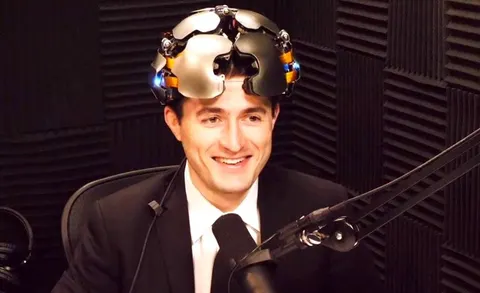
A slightly dry young man in a thin tie and an impeccable suit sits behind the microphone, and across from him, one after another, come Musk, Zuckerberg, Kanye West, Vitalik Buterin, Noam Chomsky, Jaron Lanier and leading scientists from the world of artificial intelligence. Lex Fridman has been one of the most popular podcasters of recent months, even though by profession he is a scientist, an artificial intelligence researcher and a lecturer at the Massachusetts Institute of Technology. Born and raised in Moscow, of Jewish-Ukrainian descent, today he says he is American and speaks English without an accent. That does not stop him from blaming his new homeland for all the wars it wages around the world, just as he blames the old one. Lex is more than an interesting bird because of his successes. Here is what else is worth learning from his very curious story.
 18
“Today, Even Reasonable Arguments Fail to Persuade”
Svetoslav Ivanov is a landmark journalist, reporter and host because he looks not only for what is topical but for what is meaningful and deep, for stories that can move people and show that making television can still be an art. What would he ask a perfect artificial intelligence, what are the greatest dangers such technologies pose to society, and why do people who think differently so often end up in an “online prison” today? And will we ever manage to create an algorithm that tells moving stories like Ivo Ivanov?
 19
“A World Is Coming in Which Our Thinking Is Riddled with Gaping Holes”
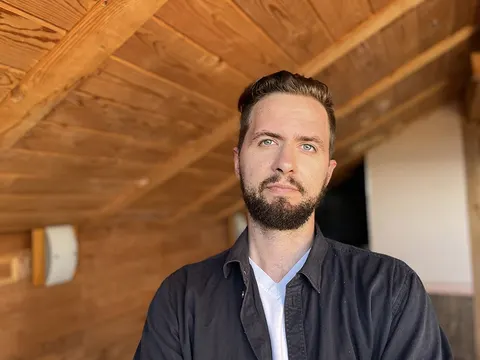
“To write well today, the writer must not always be thinking of the reader,” says Rayko Baychev. He is a rare phenomenon these days: a writing journalist who knows how to say what needs saying with exactly the right words, in a way no one can imitate. “The fear of missing out has something in common with gambling, too. It is well known that a devious idea went into the design of the newsfeed: that scrolling through social media should mirror the way the mind falls into a feverish frenzy as it follows the fast-spinning symbols on a slot machine screen and waits for them to land on a winning ‘status.’ For your political views to line up with other people’s, the way cherries, lemons and gold bars line up on a trembling payline.” What might the future of how we get our news, how we read and how we write look like through a journalist’s eyes?
 20
Horned Joe and the New Journalism
$200,000,000. That, it turns out, is what the notorious Joe Rogan got for his deal with Spotify. The creator of the most successful podcast certainly paved the way for the whole genre. He is everyone’s favorite figure in the battle between anti-vaxxers and vaxxers, the “modern” and the “backward,” left and right, all those who envy him, are outraged by him or simply admire a strong persona. So who, in the end, is this seemingly simple-minded muscleman who has gathered so many eyeballs… and millions? How did it get to the point where even the White House grew indignant with his employers because of him? And how is his story connected to the future of journalism?