Warning: Child in Front of a Screen
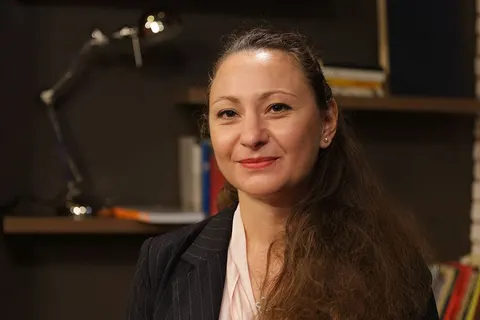
Should we “rescue” children from the hours they spend at the computer and on the phone, and when does the same apply to adults? How much screen time is reasonable at what age, and how do we set limits once we have lost the balance? We look for answers with Donika Borimechkova, a psychologist and psychotherapist with more than 12 years of experience working with children of all ages, who pays particular attention to the influence of modern technology on kids.
 02
How Are Our Children Meeting Technology? The Survey Results
How many hours a day do children spend in front of a screen? Should phones be allowed in school? What does the technological future look like for today's children, and what is worth learning? In early February I put these and many other questions to the parents and relatives of children up to 11, and the Digital Stories survey gathered more than 350 responses. Here is what they revealed.
 03
“The Digital Can Wait. Childhood Can’t”
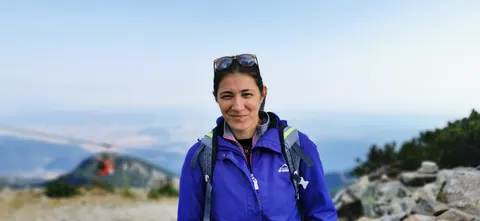
How do we lead children who are already too absorbed by the internet back out of it? That is the great cause of Alexandrina Georgieva, a programmer with serious experience who now heads the Offline Kids foundation, which helps parents find the balance. A fascinating personal story and countless valuable tips for every digital parent who believes children should, from time to time, find themselves offline.
 04
“That’s It! No Phone!” No—What Matters Is What the Child Does With It
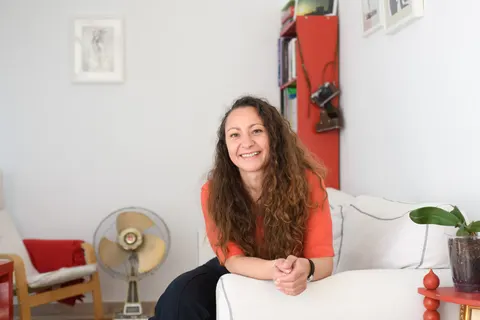
How do we find the balance so that children use technology to the full without it leading to problems? A long series of important Children’s Digital Stories set out to help us search for that delicate middle path. More than 350 parents and relatives of children up to age 11 took part in the site’s survey. Donika Borimechkova is a psychologist and psychotherapist with more than 14 years of experience who works with children of all ages. Before turning to psychological counseling, she spent 5 years on the staff of a public kindergarten. She holds a bachelor’s degree in primary and preschool education and a master’s in developmental psychology. We prepared the survey together, and now it is time to discuss the results and look for the key points. About the fear of the digital, about the great challenges of technology and artificial intelligence. About balance. As in the other conversations, the emphasis falls on useful advice which, I hope, will help more adults help the children around them so that technology becomes their friend.
 05
Going “Out of Range”
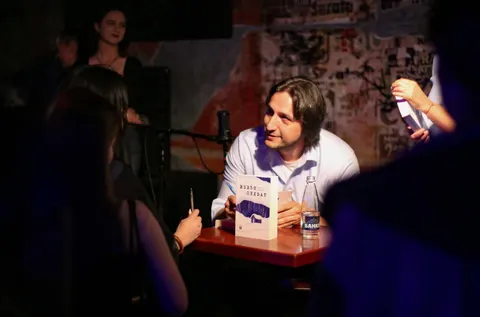
When did you last spend an entire day away from social media? Switch off your phones—we’re going “Out of Range.” Out of range not only of mobile internet but of technology as a whole, which has taken over so much of our lives. To look for where the human being has been hiding behind it all. That is the title of Evgeni Cherepov’s new novel, which makes us think precisely about the need for digital hygiene. About slow conversation, about deep stories and themes that cannot be told in TikTok format. Today’s guest has worked as a security guard and studied civil engineering before finding his calling as a teacher of Bulgarian language and literature. After long wanderings, he has returned to teach in his hometown of Stara Zagora. When does technology become too much for us, and why is it important to think about it? How do we learn to tear ourselves away from the feed and find a balance? “People have always needed pauses… Just like that, to stop for a moment, to take a step off the highway of their supposedly purposeful lives.”
 06
“Bulgarians Are Getting Smarter”
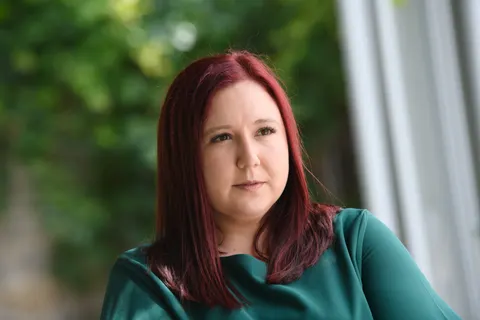
How is it that over the past 30 years Bulgarians… have been getting smarter, according to the only organization that provably measures this? Are programmers the largest group among those who pass the Mensa tests? Does intelligence still matter when technology handles more and more mental tasks, and why, in the days of the AI revolution, is it more important than ever to develop our minds?
 07
Is the Digital Age Waiting for Its Freud?
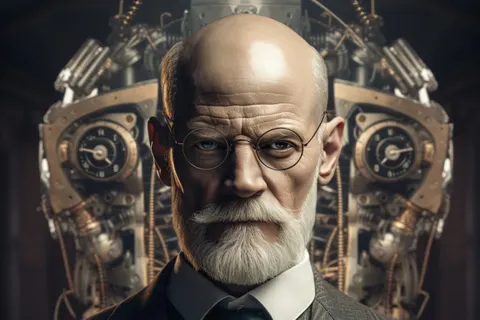
No matter how thirsty you are, you can't drink from a fire hose. If you don't believe it, try. The same goes for technology. We push it thoughtlessly into more and more corners of our daily lives, handing it one new role after another, until we suddenly find ourselves chained to our screens like Prometheus to his rock. Information technology is a huge opportunity. The dose makes the medicine, but… what is the dose? We will look for the answer to that question, along with another one: when will the Freud of our time appear, and who will he be? The person who will grasp the psychological challenges facing Homo sapiens at the height of the technological revolution. A Freud who will lift the taboos and make sense of the bond between people and information technology.
 08
“We’re Already Generating a Tremendous Amount of Chaff”
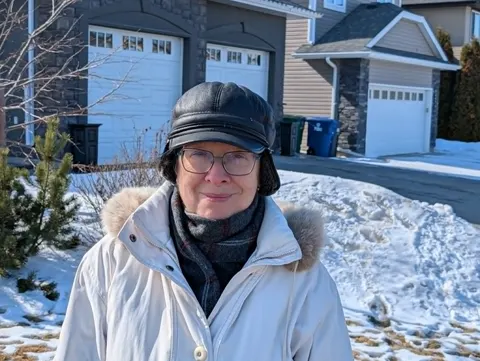
Can we stop the cognitive decline that comes with the enormous progress of artificial intelligence, and how? Can the pendulum of cognitive decline, of over-trusting technology, of a broken public conversation swing back, and how? We pit the optimistic and the pessimistic views against each other on the biggest question this site exists for. Prof. Julita Vasileva is a world-renowned researcher in computer science and in our interaction with technology. We met five years ago to talk about the filter bubble and about the way we interact and get informed online. Today she is researching an equally important and even hotter topic: can we turn the techniques of online manipulation against their creators?
 09
“A Truly Free Person Wouldn't Think of Their Phone as Anything Special”
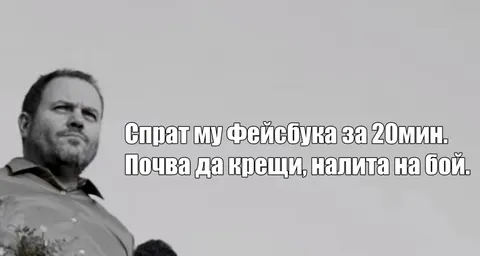
Today's guest needs no introduction—his first name alone is enough to turn heads. Kitodar Todorov is a popular actor and television host, but also a meme hero and a seasoned gamer who invites guests to play online while they talk about life. Will this be a fun conversation, or will it give us reasons to stop and think about our place in the world of technology, gaming as a way of life, the difficult balance and the big questions? “Our entire modern civilization is built on little machines we depend on, and that's really dumb.” An unexpected conversation awaits!
 10
“We Sacrificed Two Generations Because We Didn’t Know How Technology Works”
“We adults sacrificed two generations because we created something without knowing what it was or how it worked.” Psychologist, father and children’s author Slavi Stoev explains what excessive screen time does to children’s emotional and intellectual development, and why it changes them irreversibly. Is there a middle path for parents, and how do we find it before our civilization drifts into decline?
 11
Whatever Happened to the Father?
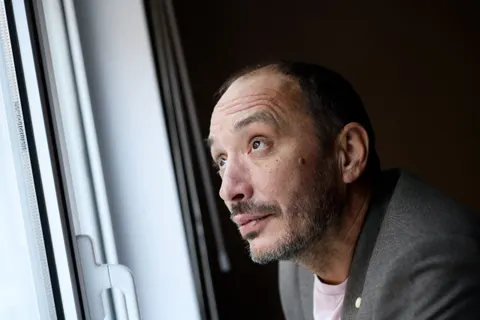
“BG Mama” has long been a household name in Bulgaria. But whatever happened to… BG Dad? Mihail Stefanov, a father and an organizational anthropologist, on what fatherhood really means in the age of technology and why we talk about it so little.
 12
“As a Parent, Listen to Yourself. Not Your Relatives, Not Some Influencer!”
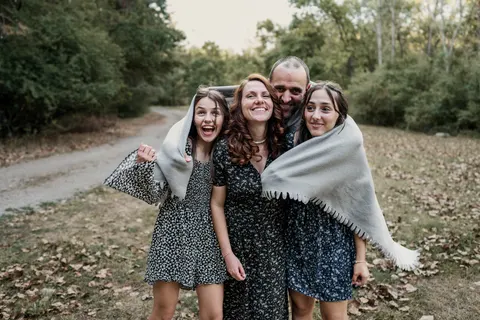
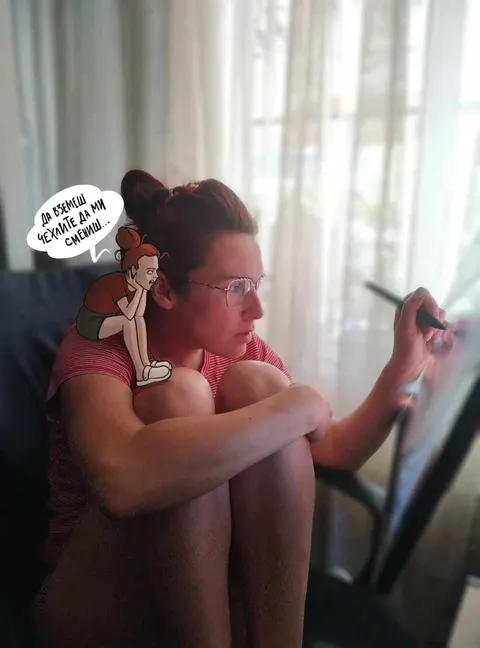
Have a child and never come across these unmistakable illustrations that make you smile and calm you down? Hardly. For 13 years Neda Malcheva has been chronicling the joys and woes of motherhood in her cartoons, and we love them not only for their talent, originality, style and humor, but because they feel close to home. We talk about art, parenting online, the mad race and the calm of village life, and the false picture painted by influencers.
 13
“An Era Is Coming in Which We Will Have to Reinvent Ourselves”
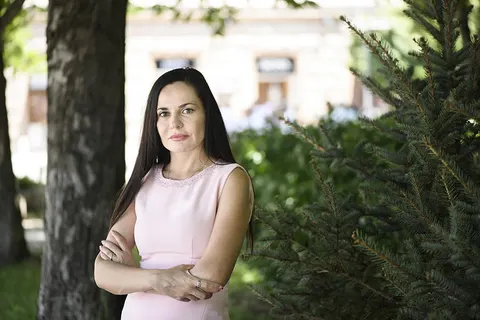
What will tomorrow look like? Why is “the era in which we will have to reinvent ourselves” approaching? What is worth teaching today’s children so they are ready for the future? Which professions will survive? And how do we find those ever scarcer skills that are worth helping them develop? Assoc. Prof. Mariana Todorova is a pioneer of Bulgarian futurology in its modern form. It has become a tradition for her to be my guest at the start of every year with forecasts that unmistakably come true. “We are returning to that most primal human quality of critical thinking, reasoning and debate.” “It is only a matter of time before most of the tasks we perform are taken over by artificial intelligence. We will live in permanent change, and at some point we won’t be able to catch up. As humanity, we could respond only through a global political consensus in which we decide that, even though the technology can do almost everything, people stay. But such a philosophy is deeply anti-capitalist, and imposing it would take either some boundless humanism or a dictatorship.” Can we be ready for the future?
 14
Hedgehogs Are Born Without AI
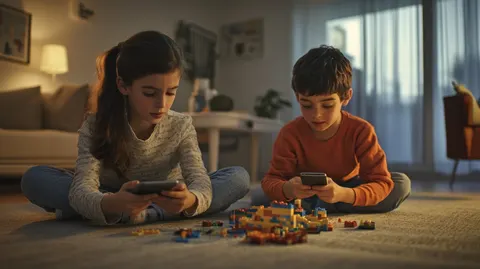
What kind of world will today's children live in? What is worth learning today, and what would be a waste of time, effort and money? When and how should we introduce them to technology so that both sides get to know each other without anyone getting hurt? And when should we “introduce” them to artificial intelligence? I will look for the answers to these and other important questions about children and technology. A long series of children's Digital Stories begins. Here is why I believe it is vital to dig deeper into these enormous topics:
 15
How Do We Introduce Our Children to Technology? (A Survey)
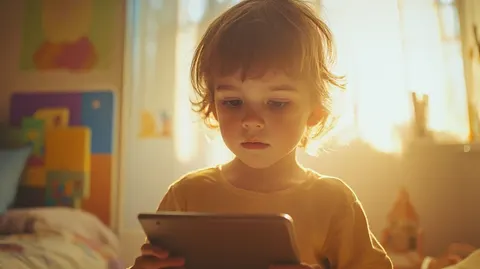
What kind of world will our children live in? And how do we introduce them to technology in the best possible way? I have two kids, and this site exists because these questions won't leave me in peace. And there are so many other important questions that it is time we found answers to. Let's talk them over, then go looking for the answers. Let's paint a picture together of digital parenting today and the way it looks toward the future. The survey is aimed at parents of children aged 0 to 11 (and at grandparents and anyone else who has children in their life). Teenagers' issues are extremely important too, and their moment will come. The survey is anonymous, and you can answer whichever questions you choose. You can also enter a prize draw for hand-picked books and T-shirts with the Digital Stories logo. Responses are being collected until February 28, and you can expect the results in early March. This survey opens a series of important Digital Stories about children and technology. We'll talk about motherhood and fatherhood today, about the changes in education, about the professions of the future. I've invited remarkable guests from whom every parent (myself included) has a great deal to learn. Heartfelt thanks for every response and every share!
 16
“The Epidemic of Ignorance Will Only Spread”
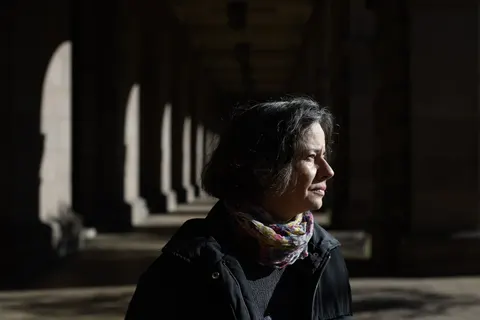
“Our inability to strike up a meaningful dialogue has left hundreds of thousands of people socially isolated. Some fall ill and die simply because they lack real human contact. I believe artificial intelligence will deepen this trend, because it will fool people into thinking they are talking to a friend, to someone they have lost, or to someone who refuses to hear them. And so we find ourselves in a world where we can supposedly talk to each other. But behind this apparent palette of viewpoints, of words, of word salad, including self-absorbed academic speeches, sit frightened, disillusioned people, impoverished intellectually and emotionally. To me, that is the great horror of our time.” Our conversation with the writer Silvia Tomova began with poetry and went on to education, history, the epidemic of ignorance and the long-overdue need for a social awakening. Against this backdrop, technology remained a constant companion, changing each of these subjects from the ground up. A journalist and special education specialist by training, she publishes essays, short stories and novels. The winner of numerous awards and the author of five novels and three short story collections, Silvia often peers into the past as well as into the big questions of today. She is not afraid to break out of clichés and to challenge the mainstream, both in literature and in public life. And so we meet for an important conversation that has come at just the right time.
 17
Brain Blast! Dr. Hansen's 10 Ideas for Surviving the Digital Tsunami
Our brain evolved slowly, gradually getting used to a changing environment… and then came Facebook, Instagram and TikTok, and suddenly our most important organ found itself in a world it was entirely unprepared for. Swedish psychiatrist Anders Hansen is not afraid to raise the big questions of today's technological age, and his book is a reason to stop, think and pay attention to what truly matters for every one of us.
 18
Why Do You Read?
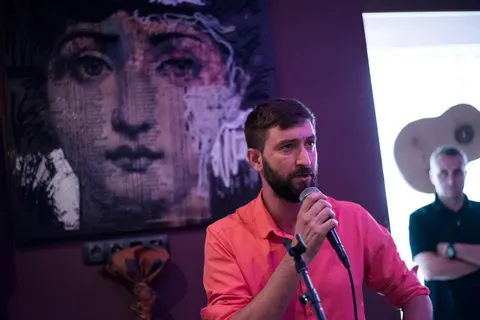
How can letters and bytes, books and technology, meet? That is the big theme of a series of digital stories. After Tuesday's look at some of the favorite books of the world's IT leaders, we once again step outside the cliché, this time with the author of Bulgaria's biggest book blog. Next Tuesday brings the unexpected literary recommendations of some of the most important figures in Bulgarian IT. You are what you read. “Kakvo chetesh…” (What Are You Reading…) is a question we should ask more often, especially in public. It is also the name of the largest and most active Bulgarian book group on Facebook, created by today's guest. For 15 years he has been sharing his recommendations on Knigolandia, the biggest book blog in Bulgaria. Deputy editor-in-chief of the Ciela publishing house, he recently made another dream come true: seeing his name on the cover of 100 knigi, koito tryabva da prochetete (100 Books You Must Read). With Hristo Blazhev we talk about reading and the future of literature. About the technologies that change it, and the books that build technology. Together we hunt for important and unexpected recommendations, to convince ourselves that letters and bytes must walk hand in hand, or nothing good awaits us, not even as a species. Happy reading!
 19
“With Today’s Newspeak, We Are Walking Evolution Backwards”
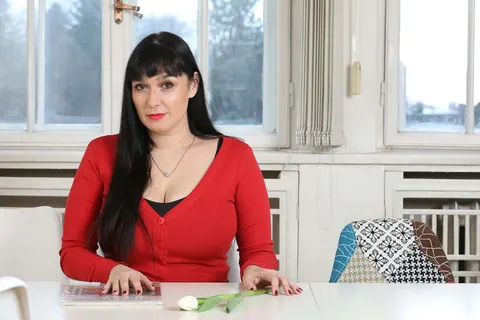
“We are making our language poorer and poorer. Online we communicate in short, simplified sentences and use an awful lot of abbreviations. This newspeak is a way of simplifying how we think and squeezing ourselves into a mold. Voluntarily, imperceptibly, step by step, without realizing what we are doing, we are drastically narrowing our view of the world…” Today we use ever simpler speech in our daily lives, foreign borrowings easily push out beautiful Bulgarian words, and artificial intelligence handles the spelling of our native language better than most people on social media. Instead of rich Bulgarian, we massively speak and write a crippled newspeak, and the reversed evolution of our language is increasingly visible in our children. Many of them cannot tell a story or describe something, and they do not know Bulgarian, even in the upper grades. How can language divide us today instead of bringing us together? Holidays also come so that we can touch on important topics and talk about the big problems we otherwise have no time for in the bustle of everyday news. That is exactly what we will do with today’s guest. Doroteya Nikolova teaches Bulgarian language and literature. She has worked in journalism as a political reporter and in PR. She takes part in many joint initiatives with the literacy platform Kak se pishe? (How Do You Spell It?), among them the Words of the Year campaign and the new venture, Life Has No “aUtocorrect.”
 20
“Our Children Often Turn Out Well Not Because of Us, but in Spite of Us”
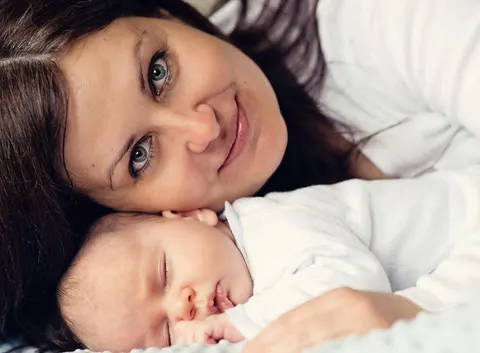
How has the online world changed parenting? Should we protect children from technology? Why is it still important to be careful and picky about the advice we get online? And… what should a person never, ever say to their children? Who hasn't heard of Mama Ninja? Maria Peeva is a blogger and irrefutable proof that meaningful influencers exist. Influencers who know how to entertain their followers and also help them with knowledge and experience. A mother of four sons spread across two decades, she is also a grandmother and the keeper of a colorful list of pets. A translator by training, Mama Ninja slipped almost unnoticed into the role of blogger, and then of writer.
 21
“Let’s Be Human. Let’s See Each Other, Talk, Dream…”
We all know Orlin Goranov as a singer, but lately he has proved himself, impressively, in a new role. At the height of the first COVID gloom he was asked to take on the hard job of hosting a TV show that would make people smile: The Last One Wins, an original quiz show that somehow provoked me into trying my luck too, with the result airing on Monday evening. On the show the host gave me a hard time with his questions; in return, I will try to provoke him with mine. How does he manage to stay away from social media? How do you keep a positive outlook in hard times? And when will technology become perfect at art?