How Bulgaria Became No. 1 in the World of Linguistics Olympiads
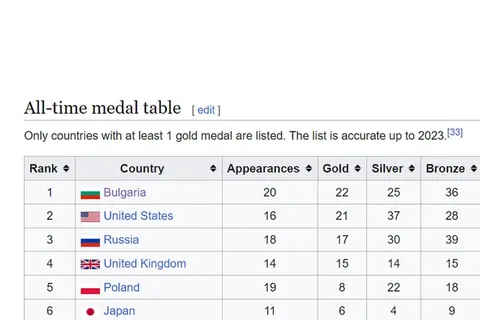
Bulgaria leads the world with the most gold medals from the International Linguistics Olympiad, and after 20 years of these competitions our team is first, ahead of the US, Russia, China and the UK, as Alexander Velinov, the teacher who has stayed close to the team for two decades while teaching and working in the software industry, announced online. How did we get here, what sets good competitors apart, why do wild parties turn out to be a key factor, why don't today's winners listen to music, and what is the unexpected explanation behind the notorious spelling rule of the full definite article?
 262
Hollywood vs. Artificial Intelligence
160,000 people rose up in an unprecedented protest against artificial intelligence, which could take the bread out of every one of their mouths. No, they are not factory workers or taxi drivers, but Hollywood actors, many of them known all over the world and holders of prestigious awards, joined by the screenwriters. Why did technology spark the biggest revolt in Hollywood's history, and is it time we all learned something from the stars' protest?
 263
Where Do Bulgarians Come From—and Why Are We Still Fighting About It 1,500 Years Later?
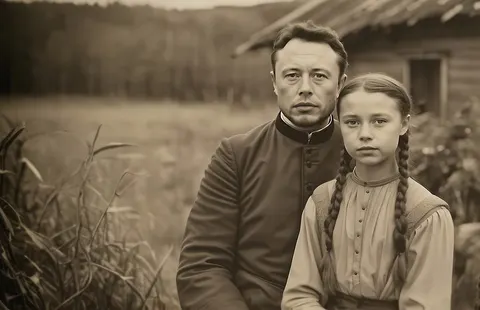
Where do Bulgarians come from? And why are we still fighting about it 1,500 years later? History is now a different story. But what do historians think? Alexander Moshev is not afraid to provoke on matters of the past, while sticking to the rules of science. The past divides us the way only politics and sports can. Why? Can that change? Today's guest studies both the history of the Bulgarians and the way we try to explain and interpret it today. What does science know today about our origins as a people? Why, so many centuries later, do they become a pretext for “bloody” clashes online? Is the end of history approaching, and how will it be changed by the fact that each of us now leaves behind an enormous amount of data? We will also talk about the parallel “history” being born on the internet. About the forgotten heroes of the past. About how world fame fades and when it is worth seeking a different point of view.
 264
Another History
“Who controls the past controls the future,” says a book we all race to quote. And also: “Who controls the present controls the past.” As we delegate more and more of our memory to technology, life will keep getting easier. As we seek our refuge from time in our own bubbles, this will bring us together and pull us apart. But can today's technology change history? Can it cross out and rethink events from the past? Can we harness artificial intelligence for a more objective view of history in all its periods? Why does the past turn out to be an eternal subject of online quarrels? How does the technology of the future change the past… and the other way around?
 265
“Now Is the Time to Start Your Own Startup!”
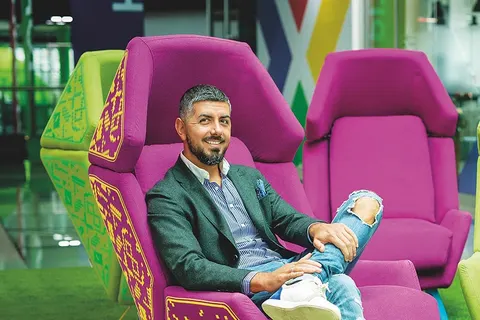
Do you know what it takes to build a startup from nothing and sell it a few years later for more than $37 million? Mihail Stoychev does, and his experience is as inspiring as his drive to persuade more people to launch their own projects in the world of information technology. Why is today the best moment to start, how did NitroPack become a Google partner serving more than 200,000 websites, and why does speed matter so much online, both for websites and for making important decisions?
 266
Let’s Hear What the Baby in the Womb Is Saying
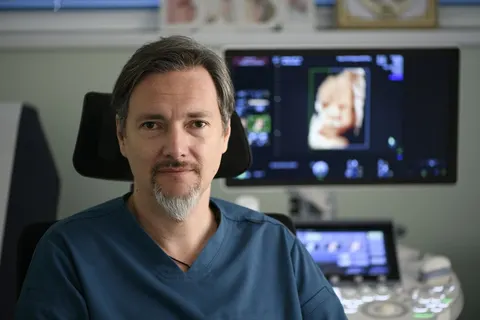
Lately we talk much more about providing incubators and equipment to save newborns with complications. But are we doing everything we can to prevent such situations, to make them rarer? Not according to our guest today, Assoc. Prof. Petar Ignatov, an obstetrician-gynecologist and the creator of an innovation that could help diagnose and save a huge number of unborn children.
 267
The Teacher Who Was Never a Pupil
Can a child get a more meaningful education without ever crossing a school's threshold? Bozhidar Marinov is a remarkable young man: only 22, he already has 15 years of programming experience, leads the curious Comrade Cooperative and works on promising blockchain projects. He has never been to school because he was homeschooled, he won a string of programming contests before being barred for being outside the traditional system, and now he teaches the next generation of kids and has written a historical novel about the past of the Rhodope Mountains.
 268
The Lifelogger: Recording Every Moment of a Life
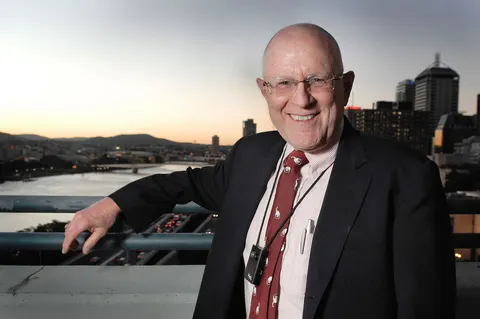
Remember when we used to collect all sorts of things: stamps, napkins, postcards, photos… even memories? The year is 2000. One of the great scientists of his time begins an unusual experiment. Day and night he will wear a camera around his neck that records every moment of his daily life. The idea is to miss nothing! His life will be captured and duly documented, so he can go back to any moment of it, and why not… one day relive it virtually? Gordon Bell is a world-famous computer scientist, and one of the most prestigious awards in computing bears his name. But the experiment he undertook—recording every second of his life—gives us far more today than his scientific research. One way or another, it shows where we are all headed. His idea sounds like a joke… because it has already become everyday practice. Yes, we leave a huge trail online of every minute we live. And it doesn't impress us, doesn't please us, doesn't even make us ask what the consequences might be. Do you dream of remembering every important moment of your life? The first kiss, your newborn's first smile, that unforgettable meeting that showed you how to change your life? Today it is easier than ever. And at the same time harder, more challenging, even… more dangerous.
 269
Hello, Cobot!
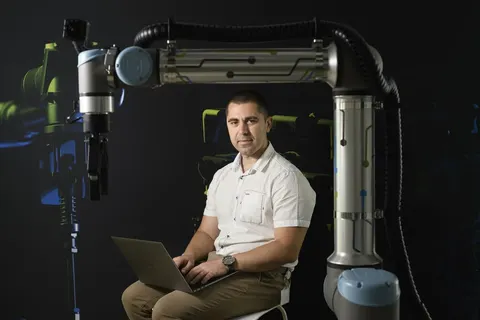
“A robotic assistant bakes moussaka in the oven while hanging out the laundry from the washing machine…” Doesn’t sound bad at all, does it? While we were still getting used to the idea that a vacuum cleaner could be a cute, round robot… it has been roaming our homes for years, mapping the rooms and saving us from the dust. Might the same thing happen with the next everyday innovations? Very soon, on August 26, software engineer Zhivko Petrov will show us “firsthand” why a robotic assistant may arrive sooner than we expect. He is one of the speakers at the annual DEV.BG All in One event, which brings the IT community together with guests who sketch out the big topics. Zhivko will be there shoulder to shoulder with Mara the robot. Before that, it is time for a few important questions about the future of robotics. For Zhivko, and for the mechanical lady he is bringing along…
 270
Do It Yourself: AI That Builds AI
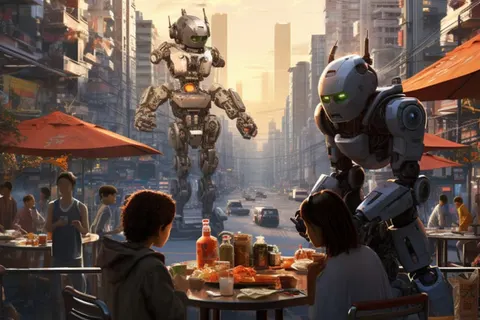
What happens when artificial intelligence takes on its next big job: creating… artificial intelligence? What if we asked the famous ChatGPT to “create” a new neural network to solve a specific problem? Can complex algorithms build their own successors, what would that change, and could it lead us to the next step, an absolute AI capable of solving any task? These questions have many possible answers, but while we ask them we may miss something important: systems already exist in which AI oversees and assists the process of creating its own “kin”…
 271
Oppenheimer: The (New?) Prometheus
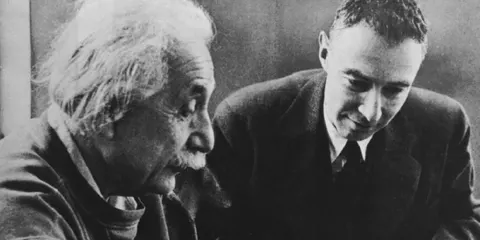
J. Robert Oppenheimer, “the father of the atomic bomb,” built the most powerful weapon of destruction and then became one of the most stubborn and persuasive advocates for banning it. It is no accident that his story is being told again today, when bombs are falling in Europe once more and technological progress may again carry the risk of self-destruction.
 272
Gaddafi and Zuckerberg Walk into a Bar…
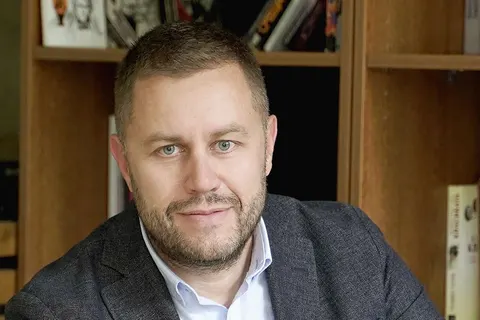
What do Mark Zuckerberg and Muammar Gaddafi have in common, and is travel still worth it now that we can see everything online? Georgi Milkov, a journalist who once went to a bar with Vladimir Putin in the middle of Sofia, talks about the riches of technology and what it takes away from us.
 273
What Do You Want to Read Tomorrow?
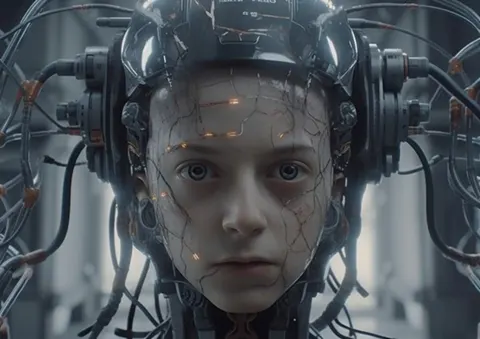
How do we want tomorrow to look, and will we still tell truth from lies as we sink ever deeper into our bubbles? Over the past 20 years we have forgotten how to read long texts and changed our very relationship with the truth. My answer to how we save the future may sound idealistic, because I am betting on the contender losing the battle for attention most badly today: traditional media.
 274
How YouTube Was Meant to Be Tinder: Three Programmers and $1.65 Billion
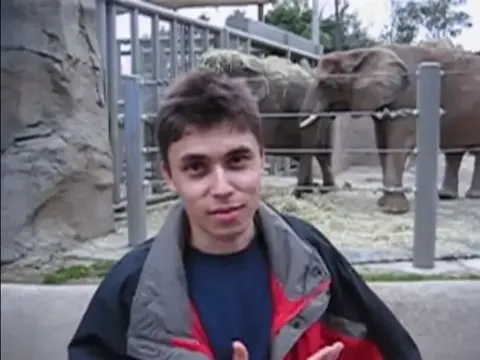
How many programmers does it take to change a light bulb? Probably depends on how motivated they are. But you'll be surprised to learn that just three are enough to create… YouTube. In the beginning it was quite different, because the platform that became a synonym for video content was originally supposed to be a dating site. Three former PayPal employees launched the project in early 2005, and less than two years later Google bought it for $1.65 billion! Here is the little-known, twist-filled story of one of the giants of the digital world. Of the site that made video unimaginably easy to share. Of the project that for many years ranked among the three most visited pages on the planet.
 275
We Won't Eat Animals. We'll Talk to Them?!
Will the future really force us to give up meat? Or will we simply eat meat that… was made without killing an animal? Will technology soon let us understand more about how our best animal friends see the world? Will it let us talk to them… Our relationships with the other species on the planet have always been more layered than we realize. The most fascinating remain our ties with our closest “relatives”—the mammals and the other links that have climbed high up the food chain. We give them souls and make them part of our daily lives… while the vast majority of the planet's inhabitants rarely pass up a chance to snack on them. Our relationships with the other species on Earth are yet another field where technology promises striking news, and in the foreseeable future at that.
 276
“Game Over.” Is Humanlike AI on the Way?
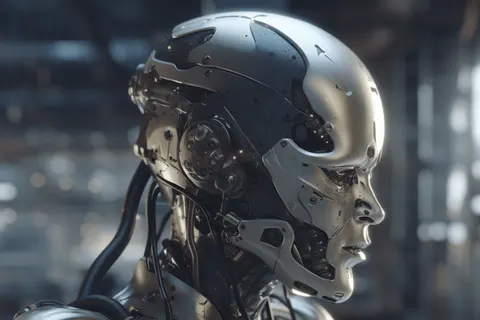
“The Game is Over,” Nando de Freitas declared in May 2022, announcing big news in the field of artificial intelligence. Scientists were still arguing over whether artificial general intelligence, an algorithm able to solve all kinds of tasks the way the human brain does, could exist at all. And while they argued, it turned out that… the argument had perhaps already been settled? That terse tweet announced the arrival of Gato AI, the first contender for the title of “artificial general intelligence,” a step expected to be at least a decade away and one many thought outright impossible.
 277
“Online, a Little Paranoia Is Healthy”
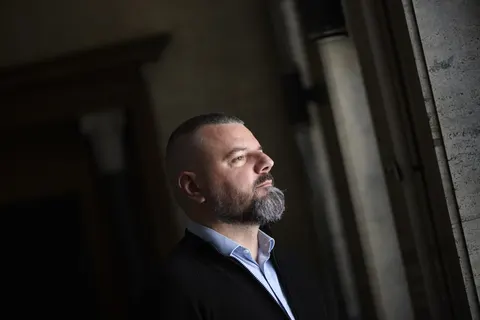
Can artificial intelligence put an end to the eternal game of cops and robbers? Is complete security online even possible, and is it true that our part of the world breeds remarkably good hackers? Petar Kirkov, the Bulgarian sheriff in today’s online Western, has spent more than 20 years in cybersecurity and is now the national coordinator in the field.
 278
The Genius Terrorist and the “Evil of Technology”
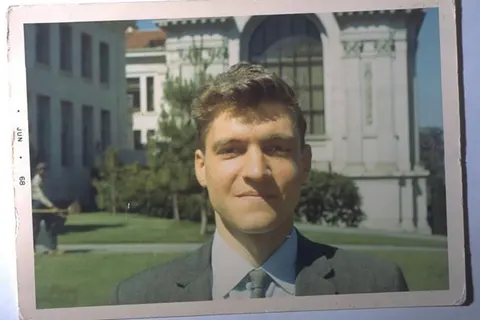
Last Sunday, in the hospital of a federal prison, while serving the first of his eight life sentences, a man who began life as an exceptionally promising scientist passed away: Ted Kaczynski, known as the Unabomber. A child prodigy, at just 25 he became the youngest faculty member in Berkeley's history, and a dazzling career was predicted for him. Then he suddenly decided to withdraw to an ascetic shack in the middle of the woods. For 17 years he carried out terrorist attacks on scientists and people connected with the computer world. He became the FBI's most expensive target. Meticulous, elusive! He was recognized and turned in by his own brother, from words in his manifesto, which is sure to be much discussed. “As society and the problems that face it become more and more complex and machines become more and more intelligent, people will let machines make more of their decisions for them, simply because machine-made decisions will bring better results than man-made ones.” “He might not be wrong,” Elon Musk wrote, sharing the news of Kaczynski's death. The Unabomber was a terrorist who took the lives of innocent people. And at the same time a scientist who predicted the dangers that come with technology. Obsessed with the risks it carries, yet incredibly perceptive in the way he looked at them.
 279
The Mamnik Lurks Online, Too
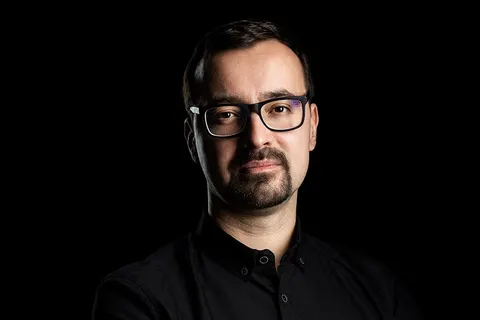
“Mamnik”—such a melodious, expressive word. And lately, much more than that. The fearsome mythical bird of Bulgarian folklore took flight as an audio series on Storytel and then carried on as a novel on paper. If you have yet to read (or hear) the book, I envy you. In it, Vasil Popov shows how Bulgarian folklore can be told in a modern, gripping, thrilling way, with taste and literary skill. We invite the mamnik to our conversation, too, as a vivid character and a powerful metaphor: the terrifying bird that is almost immortal and whose feathers keep changing color. Why do we so rarely manage to turn the stirring images and stories of Bulgarian folklore into art? And why, at the same time, do legends from distant times feel so close to us? Where is the thin line between patriotism and flag-waving jingoism? Here is what Vasil Popov and I had to say about it.
 280
AI and the End of the Stock Exchange
Today about 90 percent of the trading on some of the world's largest exchanges is carried out by algorithms, which mostly follow strict rules and do as humans tell them. What happens when they learn to “read” the signs of the market better and take matters into their own hands? Could this end emotion-driven financial crises, open the class ladder to more people, or make the rich even richer?