BDS or Phonetic? The Battle for Bulgaria's Keyboard
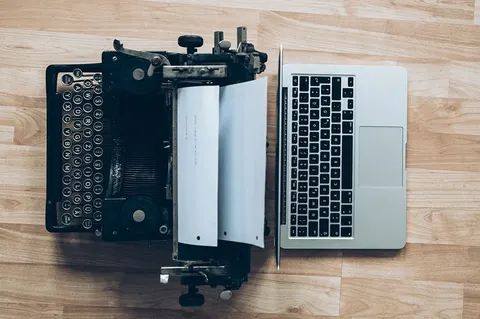
How are the letters on your keyboard arranged—according to the good old layout inherited from typewriters, known as BDS? Or the phonetic one, where the Cyrillic letters follow their Latin equivalents? Is there a better solution? Does this choice really make a serious difference to how fast we type on a computer? And might both standards be obsolete, since they come from a time when their main purpose was to suit the typewriter? This story begins 115 years ago, when computers did not exist even in people's imagination…
 322
“Our Only Chance Is to Remember That We Are Creators”
Todor Kolev is a seasoned programmer, entrepreneur and mentor to remarkable young talents in information technology, but also a man with his own, deeply curious view not only of technology but of how we are evolving as a civilization. Are we ready for the next step in evolution that technology is bringing, and what comes after the end of capitalism?
 323
MrBeast: What If… I Gave You $1 Million?
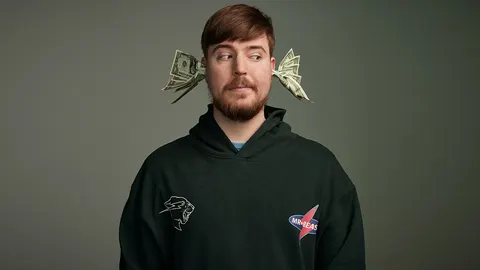
You’re sitting at work when suddenly… an unremarkable young man with a scruffy little beard walks up and asks: “Would you quit your job if I gave you $100,000 for it right now?” How would you react? Would you say yes? Would you like an island of your own? Or your very own Lamborghini? Just like that, as a gift, no strings attached? Nothing is impossible online, and sometimes meaning is born on the edge of provocation. Mr. Beast—MrBeast—is a fascinating influencer who has gathered more than a hundred million subscribers by simply… giving the money away! He stages a surreal candid camera that isn’t even hidden. He piles up advertising money only to hand it out spectacularly, sometimes with a provocative challenge, sometimes… just because. Is this madness?!
 324
Dunning and Kruger: The Power of Not Knowing
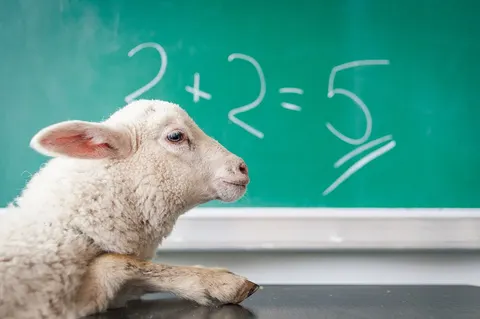
Psychologists Justin Kruger and David Dunning are the creators of the famous theory that describes so much of today's online communication so well. It can also help us understand the problems piling up in the way we get our information online. The theory is simple but revealing, just like the experiment it was born from. You've surely heard of it, but it's worth digging a little deeper into its meaning and learning its instructive story.
 325
Steve Jobs Is Risen!
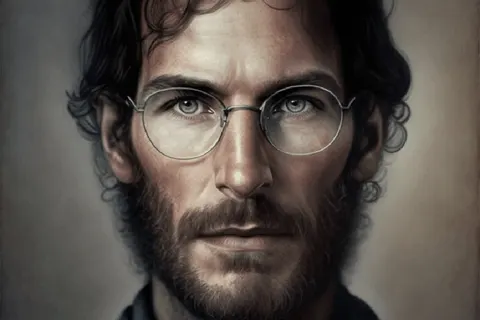
Did you catch Steve Jobs as a guest on Joe Rogan’s podcast a month ago? Oh, it was fascinating. “Computers have the power to be 1,000 times more important than they are today. I throw my computer out the window every few years just to make sure it works.” Steve was in his signature form, visionary and funny, as he told some truly curious stories from the history of Apple. But wait… didn’t Steve Jobs pass away? So what? The interview is perfectly real. It was generated by artificial intelligence. What’s the big deal, it’s interesting, isn’t it? Want to chat with Einstein? No problem, technology makes even that possible. Are we ready for the moment when computers can imitate us so well that we won’t be able to tell ourselves apart? How is it possible, and is it right, to try to “resurrect” people by creating, one way or another, copies of them that are indistinguishable from the original?
 326
“Come Spring, Crypto Will Be Back with Lasting Growth”
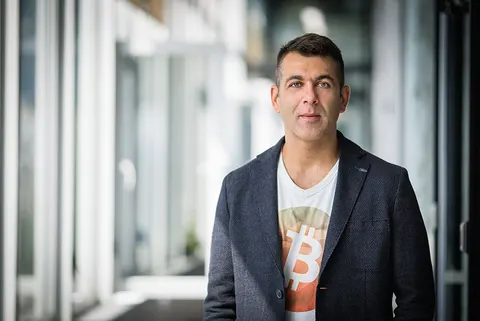
A few months ago everyone was talking about cryptocurrencies, Bitcoin and blockchain, and then, suddenly, the crypto world found itself in yet another winter. Blagovest Belev, one of Bulgaria's crypto pioneers since 2013 and founder of BlockChain.bg, the country's first cryptocurrency investment fund, talks about whether this is the end or the beginning, whether now is the moment to invest, and where the next big blockchain news will come from. We also discuss NFTs, whether you should buy when everyone is talking about Bitcoin, and the exciting future technology promises us.
 327
Facebook → Instagram → TikTok… What Comes Next?
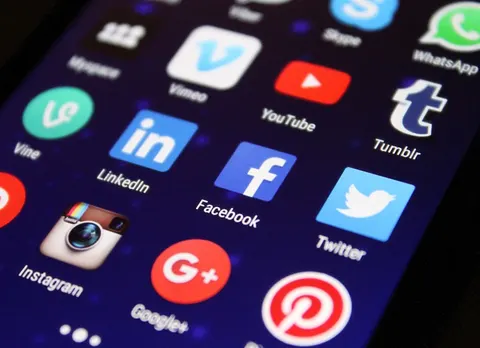
Social networks keep evolving as technology advances, generations change and countless other forces come into play. So what comes next? What will the social networks that rule after today's giants fade look like, what kind of content will they offer, and how will they win us over? Social networks have become the greatest technological and social phenomenon of our time, and they still promise more than a few surprises…
 328
Warning: Child in Front of a Screen
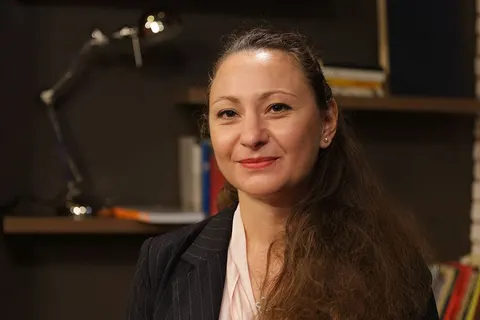
Should we “rescue” children from the hours they spend at the computer and on the phone, and when does the same apply to adults? How much screen time is reasonable at what age, and how do we set limits once we have lost the balance? We look for answers with Donika Borimechkova, a psychologist and psychotherapist with more than 12 years of experience working with children of all ages, who pays particular attention to the influence of modern technology on kids.
 329
“Programs, Programs and More Programs!”: The Computer Future as Seen from 1988
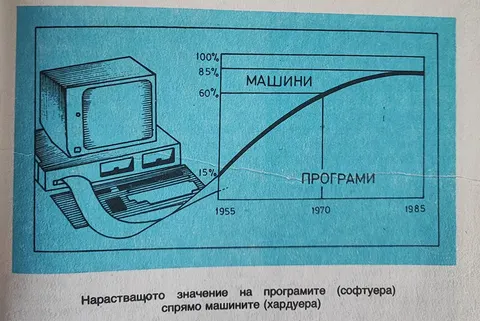
In the 1988 book Klyuchat kam badeshteto (The Key to the Future), Ivan Ivanov and Metodi Stamenov gathered the era's visions of the computer world. Looking at today from that vantage point is more than impressive: what did the authors get right, what have we achieved, where have we failed, and are there moments when, 34 years later, we sound just as optimistically ignorant about what technology can do? And who came up with the title's idea, so fashionable today in career choices?
 330
Lex Fridman, the Cool Scientist
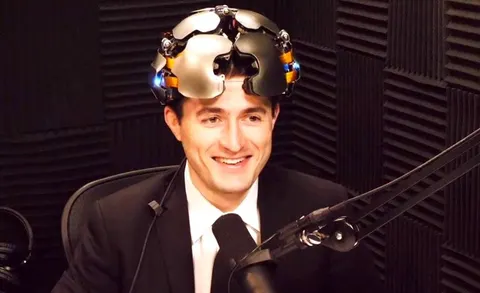
A slightly dry young man in a thin tie and an impeccable suit sits behind the microphone, and across from him, one after another, come Musk, Zuckerberg, Kanye West, Vitalik Buterin, Noam Chomsky, Jaron Lanier and leading scientists from the world of artificial intelligence. Lex Fridman has been one of the most popular podcasters of recent months, even though by profession he is a scientist, an artificial intelligence researcher and a lecturer at the Massachusetts Institute of Technology. Born and raised in Moscow, of Jewish-Ukrainian descent, today he says he is American and speaks English without an accent. That does not stop him from blaming his new homeland for all the wars it wages around the world, just as he blames the old one. Lex is more than an interesting bird because of his successes. Here is what else is worth learning from his very curious story.
 331
“Want a Miracle? Wish for It, and Be Ready to Bear It”
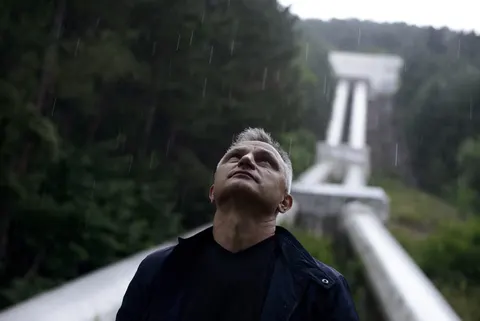
What do your Christmas and our Christmas have in common? This holiday goes far beyond the commercial, the feasting, the exhausting bustle. It is a state of mind, a meeting of past, present and future. It sounds impossible to gather the many vivid faces of the holiday in one place. Yet that is exactly what the recently published anthology Nashata Koleda (Our Christmas) does. In it, Zachary Karabashliev brings together stories by some of the most popular authors of different generations, genres and worldviews. “The anthology is like an apartment building on a cold, snowy December evening, here to remind us that miracles are possible,” the cover reads. This book is the reason we meet on the eve of the warmest of holidays, to reflect on the past and the future in a conversation we will, it turns out, continue in 78 years. About miracles, about the new beginning of the Nativity and the doors it opens. About the meaningful stories that have gathered us around the family table from prehistoric to digital times.
 332
Christopher Buxton: All Is Love
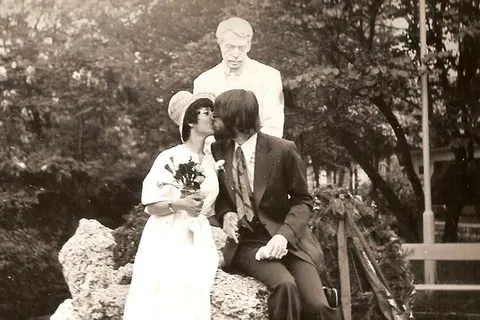
His first memory is of boundless darkness; the morning greets him with the smell of roasting peppers. Before long he will fall in love with the country he has landed in, and then truly and forever with the woman of his life, and a magical story will be born between cultures and eras. He taught Petya Dubarova, was the first to translate many Bulgarian classics into English, and dared to take on even the maddeningly untranslatable novel Summit—and he still translates Bulgarian poetry, votes in our elections and gets worked up by our passions, because reason ends where true love begins…
 333
Ai-Da and the Lords: Is a Robot That Passes for Human on Its Way?
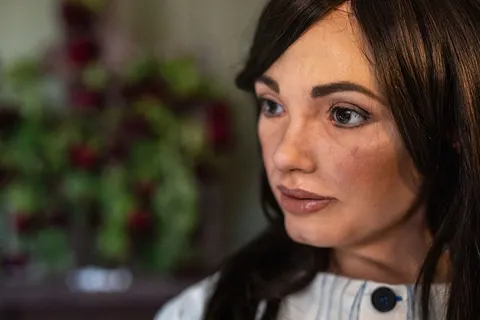
Is the time coming when we'll pass robots indistinguishable from ourselves? Is it even possible, what are the biggest obstacles, and are there dangers ahead if we succeed? The news that the innocently smiling Ai-Da dropped in for a chat with the British lords caught everyone's eye, though her colleague Sophia has long been a star of the genre, having even been granted citizenship. How far has technology come in creating the perfect humanoid robot, and is Ai-Da really so different that she can talk as an equal with the members of an almost thousand-year-old institution?
 334
Gamebooks: The Phenomenon That Taught a Generation to Read
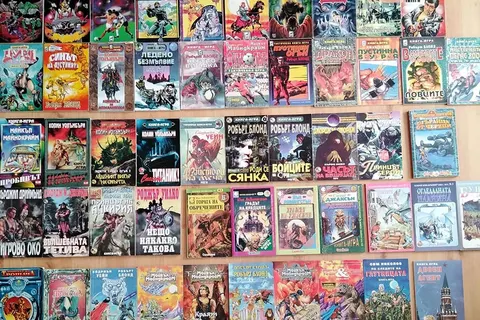
Gamebooks are a purely Bulgarian cultural phenomenon, and there is a lot to learn from them. They show how the wild early years of the “transition” had not only mutri, the thick-necked gangsters of the era, but also a peculiar, meaningful literature that woke a love of books in an entire generation. If this story is familiar to you, it is worth learning how it continues today: one of the beloved authors, a knight of the gamebook, is fighting to give the phenomenon a new life. If you have never heard of it… then it is time, because this is something rarely talked about, and it was one of a kind. We go back to tell the story of the phenomenon and its six great authors, then turn to what the beloved writers do today, and finally look ahead to the gamebooks that will soon return in full force.
 335
An Experiment: Has AI Learned to Translate Yet?
Is the technology finally here for high-quality translation, including to and from less widely spoken languages like Bulgarian? DeepL boasts of being “the world’s most accurate translator,” and plenty of people already use it every day, but how will it handle classic passages by Tolstoy, Murakami, Remarque or Gospodinov? Will we end up lost in translation, or is translation one more field where we can now rely on artificial intelligence, so that the money spent on the kids’ private language lessons turns out to be thrown to the wind?
 336
These Days Even Love Happens Fast. But Slow Love Is More Beautiful…
Where does magic hide today, will we ever lose the power of the word, and should artificial intelligence learn about us from books like The Brothers Karamazov? Nikolay Terziyski is a young writer who offers his own deep, contemporary take on eternal themes, a master of words with a magical eye whose style is linked to magical realism, and for good reason. Do we all have stars under our eyelids?…
 337
“The Saddest Thing Is When a Talented Child Gives Up”
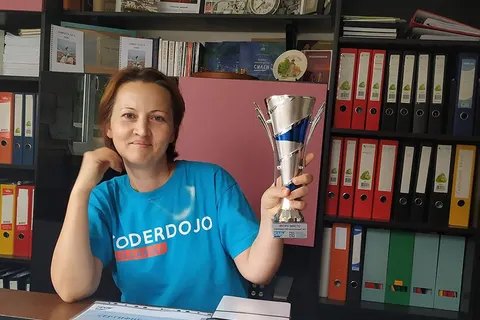
Children and computers: how do we make that meeting go as well as it possibly can? Elitsa Tsoneva worked as a journalist before moving into information technology, spent 15 years in the field, and then, quite unexpectedly and without any plan, became a teacher. Why does education never become a priority in Bulgaria, how does a teacher win students’ attention, and how do we spark the curiosity that makes a child truly learn and grow?
 338
Santa Claus on the Kaval
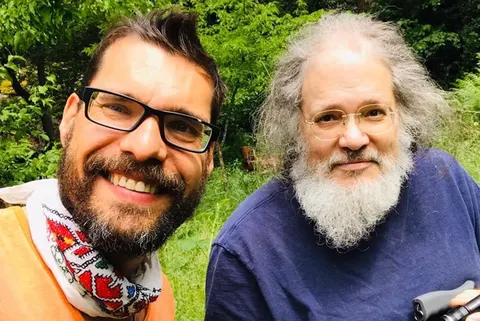
What does it mean to be an eccentric today? Can fate smile on you when you swim against the current and the stereotypes? This digital story is about two people separated by several generations and united by their love of Bulgaria and its folklore: one eccentric who left a corporate career to devote himself to his beloved art tells us about the last years of another, a man who held dozens of characters inside him—musician, instrument maker, sage, priest and… even Santa Claus. Bogdan Darev directed the film Kaval Park, where for almost two hours he presents the surreal figure of Alexander Eppler, an American of Russian descent and a Bulgarian at heart.
 339
So You Want to Be a Programmer?
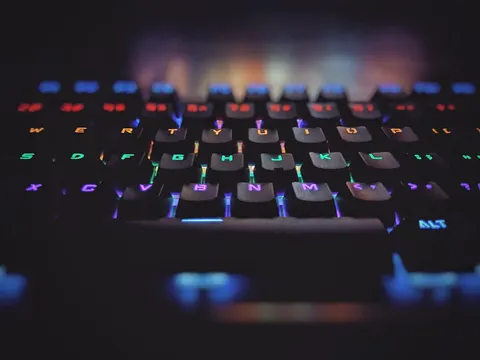
Is programming for you, and is it worth trying, how late is too late, which language should you pick, and how do you land that first job? I decided to become a programmer at 33, after years in another profession, and here I have gathered everything I wish someone had told me back then.
 340
“The More Technologically Advanced We Are, the More Terrible the Mistakes We Forget”
Lyudmila Filipova is among the most widely read Bulgarian authors of recent years. Her novels span an enormous range of subjects, and she never stops seeking new literary challenges: the distant past of the people who lived in these lands, the challenges they face today, the great riddles life sets before us. After such a colorful palette of interests, it is time for her digital stories. We turn first to the past in order to look toward the future. And finally, most importantly, we dream of the moment when people will once again be stirred not by the news of the day, but by the stars…