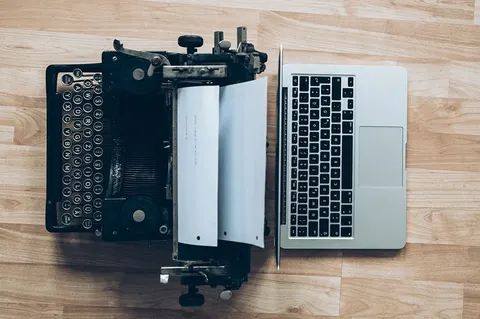
What's the Rush?
“Our hectic daily lives” is a cliché we repeat every day. Perhaps because it is unconditionally true. There is never enough time; they've started making the days far too short. The minutes slip away, leaving no time for quiet moments with family and friends, for a book, simply for reflection or complete relaxation… How could it be otherwise? Today, in a single day, we can take in more information than people only a few generations ago absorbed in months, even in a lifetime. Where does this constant feeling come from? Are the generations different, is there more work? Or is there simply something that keeps us under pressure? Something that keeps scaring us that we're missing the moment, even when there is no reason at all…
 62
Covid, Four Years On: Why Didn't We Learn Our Lesson?
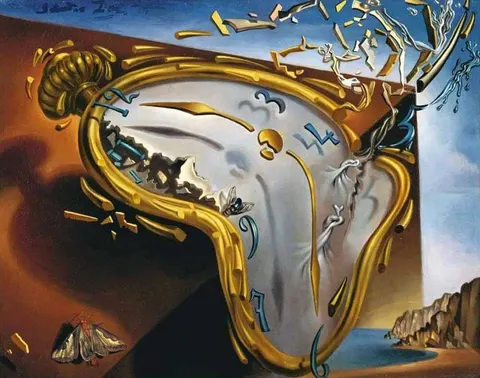
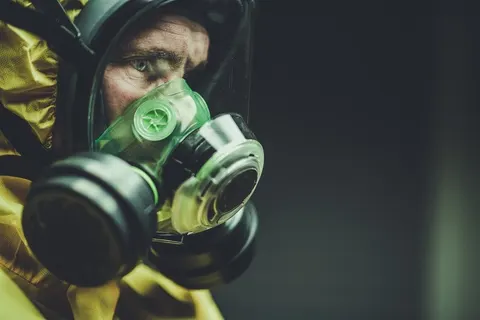
Remember? Not so long ago we were locked in our homes, the parks were cordoned off with tape, the roads out of town blocked by checkpoints… Then the vaccines arrived, and they were going to save us or kill us. Bulgarians were dying in record numbers, we split into vaxxers and anti-vaxxers, and from there came so many other divisions… The human brain is an incredible thing: it forgets quickly and adapts to the new, to the easy. But that way many important questions vanish, pushed aside by the next “hot” topic to squabble over. Meanwhile, signals are coming from many countries that covid is back… We saw how quickly our everyday lives can be turned upside down. How fragile we are, as individuals and as a species. And it is time to look for the lessons. Could a new wave of the coronavirus come soon, or could the next microorganism appear that is able to change life on the entire planet? Have we learned our lessons? How well did we handle the pandemic? Could more human lives have been saved? How deadly did the coronavirus turn out to be? Did we overdo the measures or, on the contrary, should they have been stricter? Did the vaccines turn out to be the solution? Are we better prepared for future epidemics? Questions whose answers matter to every one of us.
 63
The Naked Truth: The Algorithms That Undress Us
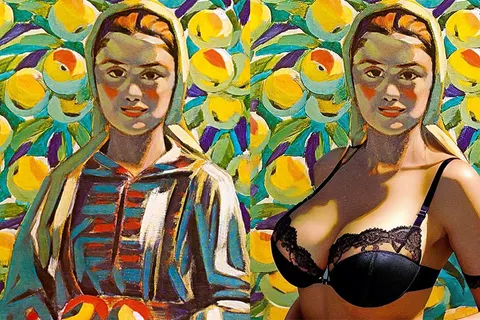
You are scrolling through your feed and there is a nude photo… of you, just as your mother brought you into the world. You have never been photographed like that, and yet it all looks so real?! This can now very much happen, which is why it matters that we are ready, and that we keep asking the next question: how should we change the way we relate to what we see, so that it fits the reality technology has brought us to?
 64
Is the Digital Age Waiting for Its Freud?
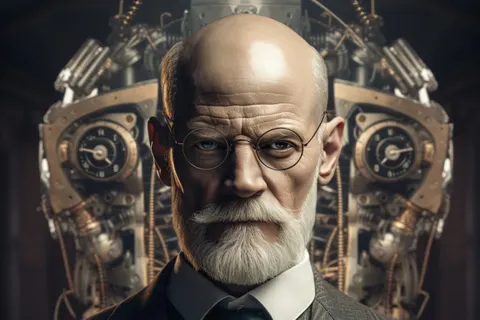
No matter how thirsty you are, you can't drink from a fire hose. If you don't believe it, try. The same goes for technology. We push it thoughtlessly into more and more corners of our daily lives, handing it one new role after another, until we suddenly find ourselves chained to our screens like Prometheus to his rock. Information technology is a huge opportunity. The dose makes the medicine, but… what is the dose? We will look for the answer to that question, along with another one: when will the Freud of our time appear, and who will he be? The person who will grasp the psychological challenges facing Homo sapiens at the height of the technological revolution. A Freud who will lift the taboos and make sense of the bond between people and information technology.
 65
Blockchain Democracy
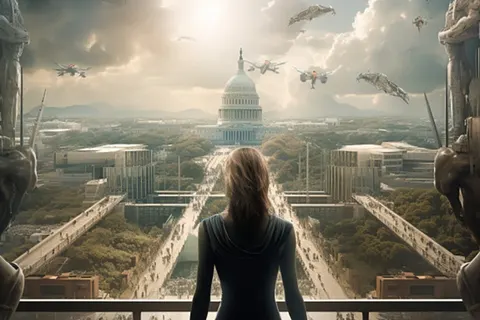
These days we talk about nothing but artificial intelligence, while another of the big technological trends is developing in the shadows… Is blockchain the next step in the way we organize society? And what does the idea have to do with the ancient oracles? Technology is changing a huge part of our lives. Yet in some areas it stays on the sidelines and never quite catches up. It is clear that when it comes to how we are governed and to democracy, there are problems, and the solutions we know are outdated and inadequate for today. Before long, artificial intelligence will probably enter the paradigm too, as has already been discussed. But in the meantime, shouldn't we try to change things ourselves, as people, with the help of the technologies we already have? This one could make electronic voting, such a contentious subject in our part of the world, completely transparent. And on the other hand, it holds the potential for a far more drastic change: blockchain democracy. A way of making the decisions that concern society in a very unexpected, yet logical way.
 66
Another History
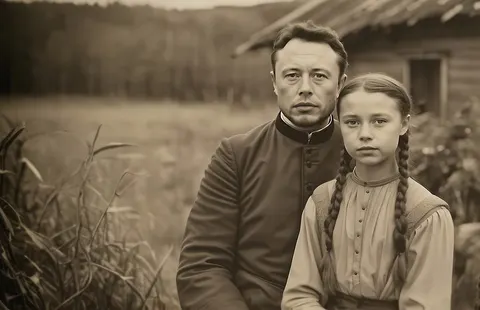
“Who controls the past controls the future,” says a book we all race to quote. And also: “Who controls the present controls the past.” As we delegate more and more of our memory to technology, life will keep getting easier. As we seek our refuge from time in our own bubbles, this will bring us together and pull us apart. But can today's technology change history? Can it cross out and rethink events from the past? Can we harness artificial intelligence for a more objective view of history in all its periods? Why does the past turn out to be an eternal subject of online quarrels? How does the technology of the future change the past… and the other way around?
 67
Let’s Hear What the Baby in the Womb Is Saying
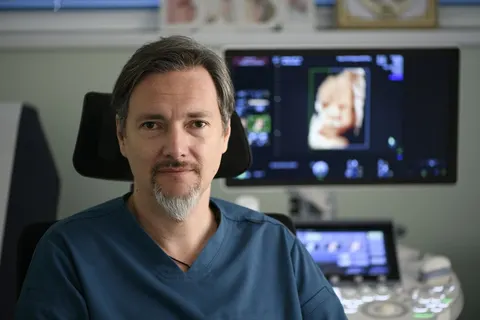
Lately we talk much more about providing incubators and equipment to save newborns with complications. But are we doing everything we can to prevent such situations, to make them rarer? Not according to our guest today, Assoc. Prof. Petar Ignatov, an obstetrician-gynecologist and the creator of an innovation that could help diagnose and save a huge number of unborn children.
 68
Do It Yourself: AI That Builds AI
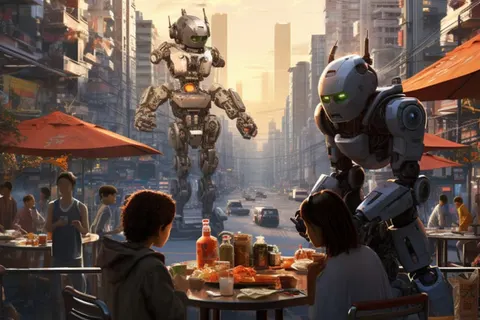
What happens when artificial intelligence takes on its next big job: creating… artificial intelligence? What if we asked the famous ChatGPT to “create” a new neural network to solve a specific problem? Can complex algorithms build their own successors, what would that change, and could it lead us to the next step, an absolute AI capable of solving any task? These questions have many possible answers, but while we ask them we may miss something important: systems already exist in which AI oversees and assists the process of creating its own “kin”…
 69
What Do You Want to Read Tomorrow?
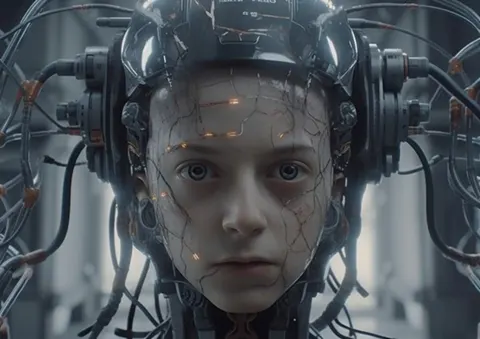
How do we want tomorrow to look, and will we still tell truth from lies as we sink ever deeper into our bubbles? Over the past 20 years we have forgotten how to read long texts and changed our very relationship with the truth. My answer to how we save the future may sound idealistic, because I am betting on the contender losing the battle for attention most badly today: traditional media.
 70
We Won't Eat Animals. We'll Talk to Them?!
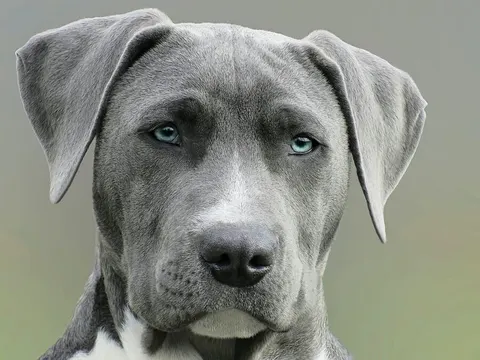
Will the future really force us to give up meat? Or will we simply eat meat that… was made without killing an animal? Will technology soon let us understand more about how our best animal friends see the world? Will it let us talk to them… Our relationships with the other species on the planet have always been more layered than we realize. The most fascinating remain our ties with our closest “relatives”—the mammals and the other links that have climbed high up the food chain. We give them souls and make them part of our daily lives… while the vast majority of the planet's inhabitants rarely pass up a chance to snack on them. Our relationships with the other species on Earth are yet another field where technology promises striking news, and in the foreseeable future at that.
 71
“Game Over.” Is Humanlike AI on the Way?
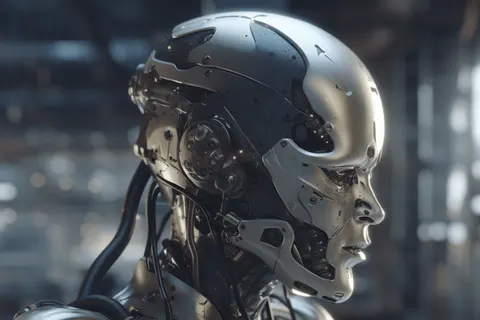
“The Game is Over,” Nando de Freitas declared in May 2022, announcing big news in the field of artificial intelligence. Scientists were still arguing over whether artificial general intelligence, an algorithm able to solve all kinds of tasks the way the human brain does, could exist at all. And while they argued, it turned out that… the argument had perhaps already been settled? That terse tweet announced the arrival of Gato AI, the first contender for the title of “artificial general intelligence,” a step expected to be at least a decade away and one many thought outright impossible.
 72
AI and the End of the Stock Exchange
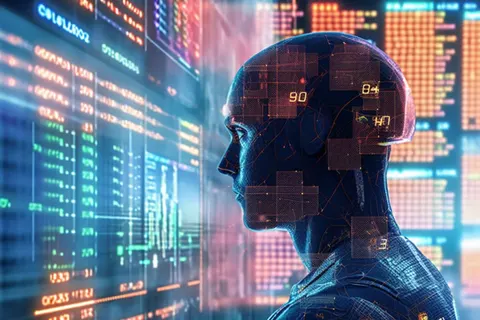
Today about 90 percent of the trading on some of the world's largest exchanges is carried out by algorithms, which mostly follow strict rules and do as humans tell them. What happens when they learn to “read” the signs of the market better and take matters into their own hands? Could this end emotion-driven financial crises, open the class ladder to more people, or make the rich even richer?
 73
On the Tenth Day, Brendan Created JavaScript…
You know, one mythical figure created the world in a week. Brendan Eich took a little longer—10 days—to create another new world we all live in… JavaScript. Here is the cautionary tale of how a man who landed almost by accident at the epicenter of events built something enormous, and how, in fast-moving technological times, fate can turn a hero into an outsider in the blink of an eye. console.log(“Here we go!”);
 74
Universal Basic Income: Is It Time We Got Paid Not to Work?
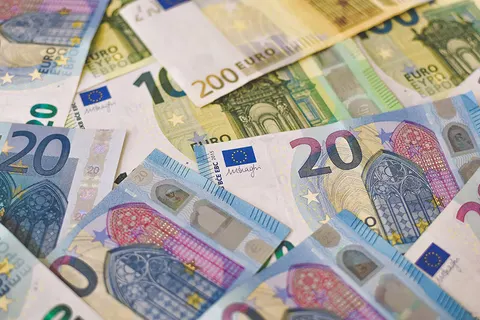
By all appearances, technology is going to free up a lot of our time, but how will society change? What exactly is the much-discussed universal basic income? What are the big arguments for and against the idea that everyone should receive guaranteed money? Or might the answer to the new challenges turn out to be the four-day work week? Artificial intelligence has the power to change the daily lives of all of us. Today we are split into extreme camps over how advanced the technology really is. And yet there is hardly any dispute that it already has the potential to turn almost every industry and field upside down. Will it take the bread out of many of our mouths? It certainly has the power to relieve us of yet another batch of tasks, taking a great many new activities over to its side. New roles are appearing too, as they always have, but what will we do if the pace at which that happens falls behind? Will the societies of the developed world manage to respond to the new challenge, and how? May 1 is coming, Labor Day. Labor is certainly something worth thinking about more often, especially in our part of the world, where we have always taken a somewhat more philosophical view of the subject. So much so that we celebrate labor with a day off…
 75
Technology Can Already Read Minds. Is This the End of Freedom?
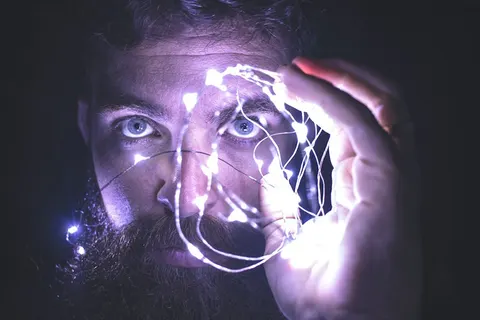
Technology can already “translate” brain signals into readable data, and the first breakthroughs are here. Swept up in the progress of artificial intelligence and the notorious GPT, we may miss a huge leap when it comes to the natural kind. Prof. Nita Farahany, a scientist and legal scholar with vast experience, is drawing attention to it. “Today there are already companies capable of decoding brainwaves,” she told the world forum in Davos at the start of the year. Are we ready for the moment when someone reads our thoughts? Will it lead to total control, or make our lives more comfortable and meaningful?
 76
Where Is AI Taking Us? Five Key Points of View
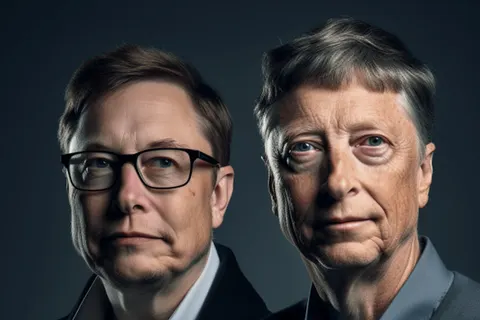
Is AI the beginning of the end for humanity—or are we simply witnessing a giant marketing trick? Whose jobs will it take, and will it destroy us or grant us immortality? Here is what Elon Musk and Bill Gates, Sam Altman and Jaron Lanier, Noam Chomsky and Yuval Noah Harari have to say.
 77
Artificial Intelligence and Ethics: 10 Big Questions
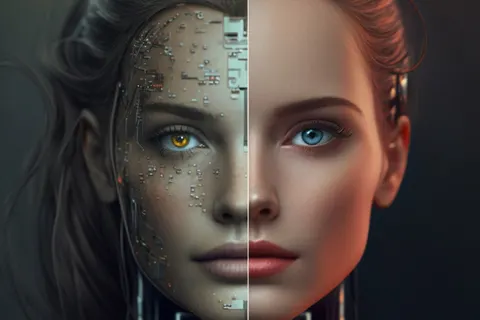
The astonishing progress in artificial intelligence is a fact: technologies like ChatGPT have made it clear that scientists have taken giant strides, and these will go on producing big news. This has pushed the ethical side of such work to the forefront, and the answers may prove vital for each of us and for us as a species. While the European Union and the major powers prepare some form of regulation, the AI revolution is already unfolding before our eyes. What are 10 of the most important questions we should be asking more and more often?
 78
Kademlia: The Bulgarian Algorithm Behind the Decentralized World
Kademlia is the name of one of the most significant technological solutions in information technology ever created by a Bulgarian. Never heard of it? Then it's high time! Petar Maymunkov created, almost as a joke, the system that is now widely used across the world of decentralized solutions, from BitTorrent to Ethereum. Kademlia turned out to be exactly the right answer at the turn of the millennium, when the internet took its decisive step away from centralized systems and toward the path that led us to blockchain. The scientist and his creation deserve their fame, and here is why.
 79
Who Are You, ChatGPT? 5 Masterpieces, 5 Flops and 5 Big Questions
Which camp are you in? The skeptics, for whom ChatGPT is much ado about nothing? Or the fans, who believe it is leading us into an incredible future? ChatGPT is an undisputed superstar, and everyone has been tempted to try it. Our feeds are overflowing with astonishingly accurate answers, with the algorithm's spectacular blunders and with news about it. Let's try to gather the most interesting and important of it all. We begin with 5 impressive digital stories born of the chatbot, continue with 5 of its remarkable flops, and end with 5 big questions our famous conversation partner puts to all of us and to our civilization…
 80
BDS or Phonetic? The Battle for Bulgaria's Keyboard
How are the letters on your keyboard arranged—according to the good old layout inherited from typewriters, known as BDS? Or the phonetic one, where the Cyrillic letters follow their Latin equivalents? Is there a better solution? Does this choice really make a serious difference to how fast we type on a computer? And might both standards be obsolete, since they come from a time when their main purpose was to suit the typewriter? This story begins 115 years ago, when computers did not exist even in people's imagination…