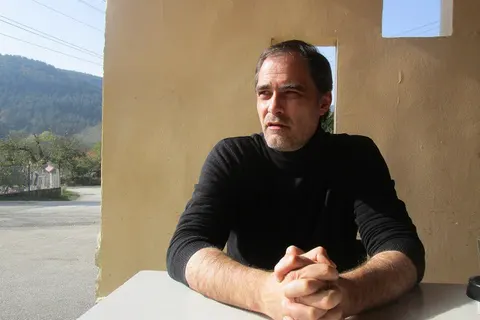
Radostin and the Neural Network
Radostin Cholakov is only 15, but he already has solid experience as a programmer. His latest project is the AzBuki.ML platform. Thanks to it, we will soon be able to use the most advanced AI text-processing capabilities in Bulgarian.
 02
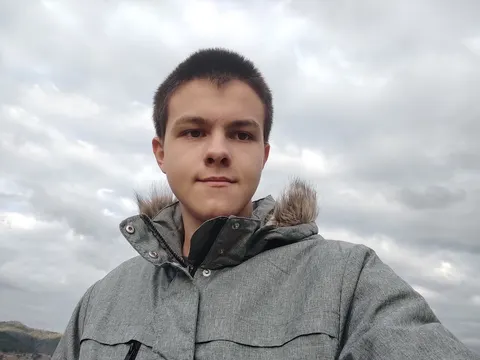
Geoffrey, the Man Who Gave the Computer a Brain
Neural networks, artificial intelligence… we repeat these terms every day without stopping to think how closely they are tied to the idea of software that mimics the human brain. That is no accident; the association is logical. The first person not only to think of it but to put it into practice is today's hero, one of the greatest scientists of our time. We owe Geoffrey Hinton a huge share of the progress we see today in the ever-so-topical field of artificial intelligence.
 03
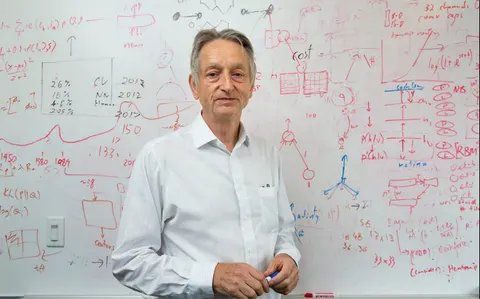
GPT-3: A Cozy Chat with Artificial Intelligence
GPT-3. Behind this rather dry computer acronym hides a highly promising technology that takes quite a decisive step forward in the way we perceive artificial intelligence. It is the most powerful new-generation language model, which appeared less than a year ago and showed that neural networks are now capable of creating meaningful, emotional texts, sometimes sounding downright like art. And they can even write… computer code on their own!
 04
GAN: AI Has Started Making Up… People
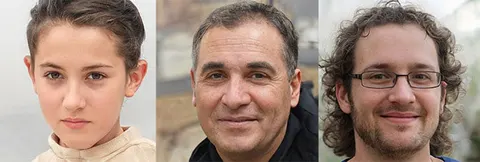
Take a good look at these faces. You will never meet these people in real life, because… they don’t exist! The images were “made up” by an algorithm called GAN, which lets artificial intelligence create new images based on the data it is fed. Two neural networks compete in the good old plot of good cop, bad cop: the first tries to imitate the target, and the second judges when it has succeeded.
 05
The AI Detective: Can Technology Give Us Back the Truth?
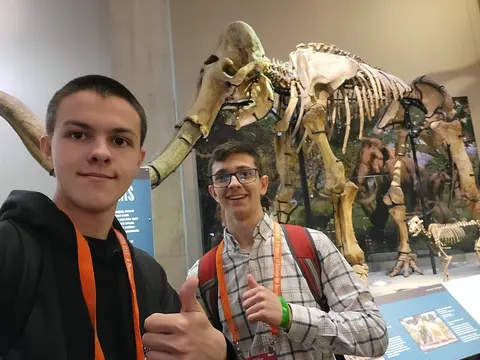
After a Digital Stories experiment with almost 2,000 participants showed that we can no longer tell AI-generated images and texts from real ones, it is time for the next step: could artificial intelligence itself become our salvation in this unequal battle for the truth? Radostin Cholakov, from the Rhodope village of Barutin, and his friend Delyan Boychev, both finishing high school this year and both already accomplished in the world of neural networks and computer vision, decided to find out. AI creates remarkable images today, but can it tell truth from lies and judge which picture was made by a human and which by an algorithm?
 06
Outrunning the Virus
The pandemic is just beginning. Machine learning specialist Youyang Gu comes across wildly contradictory mathematical forecasts of how the situation will unfold. He decides to build his own algorithm and model using neural networks, and quickly becomes a star, because his model produces far more accurate forecasts than those of scientific units with multibillion-dollar budgets.
 07
“Within Five Years, We Will Merge the Real and the Virtual”
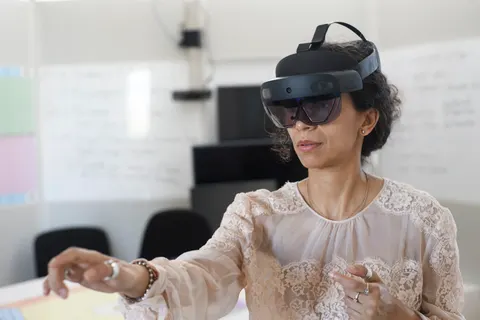
We are talking at the Technical University of Sofia, in a lab where the next generations of augmented and virtual reality are being built. Assoc. Prof. Agata Manolova, dean of the Faculty of Telecommunications, explains why we are not yet living in the metaverse and how close we are to a virtual reality indistinguishable from the real thing. It is a thoroughly engineering-minded conversation about the virtual and the big questions it raises.
 08
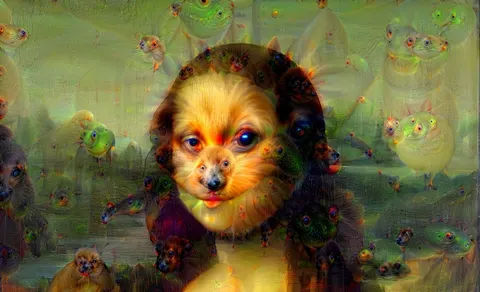
Hush! The Algorithm Is Dreaming…
How does artificial intelligence dream? Deep dreaming reveals what algorithms see before they “get the job done.” The result is magical and surreal, and could easily pass for the work of a human artist, because it peers beyond the visible and finds its own patterns, accents, nuances and stirring images in photos and paintings. Could this technology also help us understand more about how our own brains work…
 09
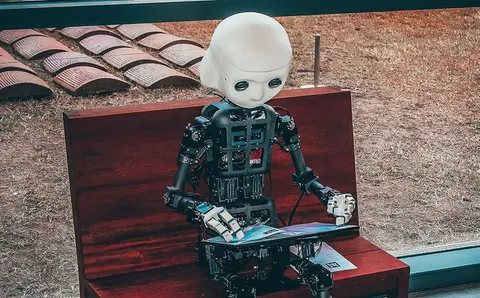
Robot Pavlovich Chekhov: Artificial Intelligence as a Writer
“There is nothing to writing. All you do is sit down at a typewriter and bleed,” said Hemingway. Can we teach artificial intelligence to create gripping literature, and how will the cultural world change if we do? Here are the most exciting projects and the arguments of the two extremes: that the robot writer will become reality, or that algorithms will never reach the human emotion of a text.
 10
GPT-4 Is Coming, and It Promises to Change Everything
In the much-hyped world of artificial intelligence, there is hardly an algorithm more famous than GPT-3. It showed that AI is capable of miracles in a great many fields. And now the next generation is on its way. Although it is running late compared to the original expectations, GPT-4 is expected to be unveiled very soon. Can we get even more out of it? How does it differ from its predecessor? In which fields do we expect it to work wonders?
 11
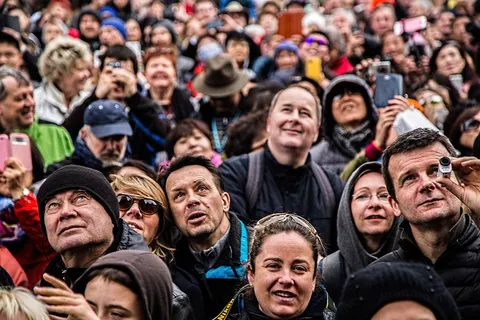
How the Algorithm Learned to Recognize Our Faces
Facial recognition systems have become so refined that they are practically infallible. How did we arrive at this technological breakthrough, and why does hardly anyone talk about it? What ethical questions does it raise, and why should each of us learn more about it?
 12
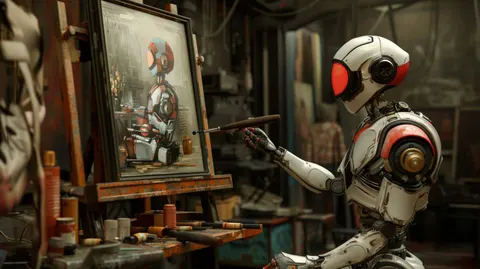
Can Algorithms Make Art? 15 Viewpoints That Matter
Can algorithms create? Is artificial intelligence a tool or an author? Could AI give birth to the arts of the future, or has creating already become a pointless pursuit? What will we do when its works in every field become indistinguishable from ours? For three years now, I have been collecting viewpoints on this site about the big questions of today's technological day. I believe it is vital to bring more and different voices into the discussions on important topics, and art and creativity is unquestionably one of them. Here are 15 of the most interesting and substantial opinions I have gathered in that time. Do the words of tech people, writers, artists, clergymen and… tomcats contradict each other, or do they complement one another?
 13
Steve Jobs Is Risen!
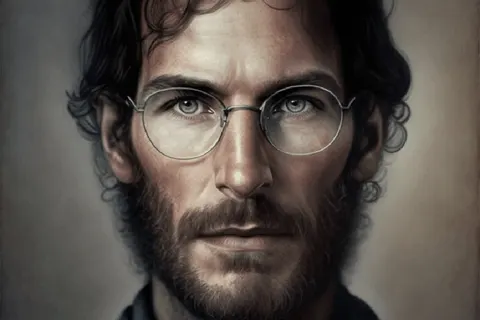
Did you catch Steve Jobs as a guest on Joe Rogan’s podcast a month ago? Oh, it was fascinating. “Computers have the power to be 1,000 times more important than they are today. I throw my computer out the window every few years just to make sure it works.” Steve was in his signature form, visionary and funny, as he told some truly curious stories from the history of Apple. But wait… didn’t Steve Jobs pass away? So what? The interview is perfectly real. It was generated by artificial intelligence. What’s the big deal, it’s interesting, isn’t it? Want to chat with Einstein? No problem, technology makes even that possible. Are we ready for the moment when computers can imitate us so well that we won’t be able to tell ourselves apart? How is it possible, and is it right, to try to “resurrect” people by creating, one way or another, copies of them that are indistinguishable from the original?
 14
AI and the End of the Stock Exchange
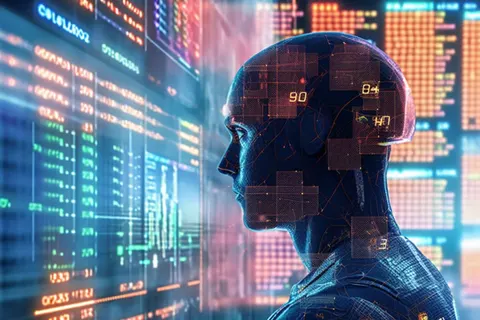
Today about 90 percent of the trading on some of the world's largest exchanges is carried out by algorithms, which mostly follow strict rules and do as humans tell them. What happens when they learn to “read” the signs of the market better and take matters into their own hands? Could this end emotion-driven financial crises, open the class ladder to more people, or make the rich even richer?
 15
“ChatGPT Is Just a Very Expensive Parrot”
“We don't know what nonsense ChatGPT will come out with next, because it is just a vast extrapolation of billions of sources, of terabytes of text. However much this machine seems to talk, it is really just a very expensive parrot. It burns through $3 million a day in electricity and has no idea what it is saying.” Mariyan Gotsev has more than 30 years of experience in information technology—as a programmer, but above all as a system-level architect and analyst. His other great passion is philosophy—he immerses himself in the search for meaning. Add to all this the fact that he is a poet. I was struck by his manifesto for a venture he calls “meaning robotics,” or “semantic robotics,” in which he argues that the much-hyped language models ChatGPT and GPT-4 cannot cope with many of their tasks because they do not look for meaning. Instead, they try to offer the most accurate answers possible through the well-known method of brute force. They look for patterns, yet remain far removed from human understanding, and so, in his view, they have reached their limit. Mariyan Gotsev, on the other hand, is convinced that a new approach could give us a technology that comes close to the human way of thinking. That is our occasion to talk about the much-hyped technologies as overpriced parrots. Can we really give computers common sense, and why does our guest believe the only way is to give them meaning? Can a machine think from a human point of view? Why must our relationship with future semantic robots necessarily be that of slave owners? And why did this computer specialist acquire domain names that he is selling for millions?
 16
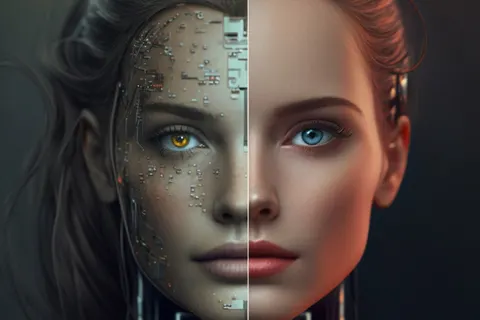
Artificial Intelligence and Ethics: 10 Big Questions
The astonishing progress in artificial intelligence is a fact: technologies like ChatGPT have made it clear that scientists have taken giant strides, and these will go on producing big news. This has pushed the ethical side of such work to the forefront, and the answers may prove vital for each of us and for us as a species. While the European Union and the major powers prepare some form of regulation, the AI revolution is already unfolding before our eyes. What are 10 of the most important questions we should be asking more and more often?
 17
What Do Google and Facebook Know About You? And Why Does It Matter?
“If something is free, you are the product.” “You are not the internet giants’ customer, you are their product,” says Jaron Lanier, a researcher who knows very well what hides today behind the facade of the information society. How did the data of billions of users become one of the most valuable commodities of our time? What do the biggest players “know” about each of us? And why is it so important to stay on guard?
 18
Man and Robot, Intimately
Algorithms are replacing us in more and more tasks. Meanwhile, the internet has changed human relationships forever, love and sex included. Isn't the point where the two meet drawing near? What does the future look like when artificial intelligence and robotics step in between two lovers? 42 percent of people say they would have sex with a robot today. 39 percent would have a romantic relationship with a humanoid. Would you?
 19
The Algorithms That Sealed Us Inside the Bubble
Recommendation algorithms are the reason we end up in the “filter bubble.” They already know everything about us, so it matters that we learn more about them, too. Machine learning algorithms are neither good nor bad. How much power we give them is up to us alone…
 20
Robots in Power
“There’s no one to vote for”—we say it and hear it so often. Clearly the Western model of democracy, and our own feeble variety of it, is in crisis… Could the moment have come for artificial intelligence to change things? Is it time to start a revolution with the new Bulgarian Robot Workers’ Party?
 21
“We’re Already Generating a Tremendous Amount of Chaff”
Can we stop the cognitive decline that comes with the enormous progress of artificial intelligence, and how? Can the pendulum of cognitive decline, of over-trusting technology, of a broken public conversation swing back, and how? We pit the optimistic and the pessimistic views against each other on the biggest question this site exists for. Prof. Julita Vasileva is a world-renowned researcher in computer science and in our interaction with technology. We met five years ago to talk about the filter bubble and about the way we interact and get informed online. Today she is researching an equally important and even hotter topic: can we turn the techniques of online manipulation against their creators?
 22
Did We Get the Future Right? (An Experiment)
It is a Digital Stories tradition that every year begins with a visit from futurologist Assoc. Prof. Mariana Todorova. First, though, just hours after we rang in the new year, I have an especially interesting experiment for you. Have her predictions from our conversations so far come true, and to what extent? Can we check what has happened in the meantime, and whether it confirmed or refuted the futurologist’s words? How can we do it impartially? I will pick 20 specific quotes from the interviews and find an unemotional analyst to grade them. The results are astonishingly interesting!
 23
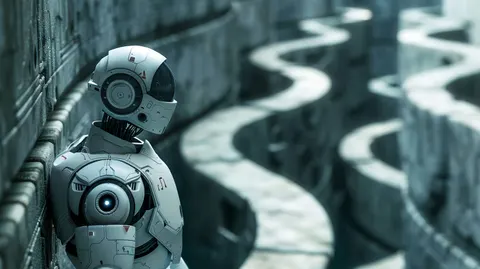
Where To Now, ChatGPT?
To be or not to be? Left or right? Life is a string of decisions, and on them hangs everything, from whether we reach the peaks we dream of to the eternal riddle of what to have for lunch. So we bring Hamlet and ChatGPT together to find the labyrinths, literal and figurative, that the electronic Virgil is ready to lead us through: five cases where artificial intelligence is already here to guide us, and five where we will have to wait (or never live to see it).
 24
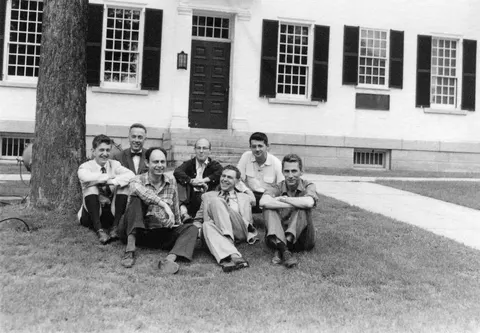
Dartmouth: Pouring the Foundations of AI
“By 1978 at the latest, we will have a machine with general artificial intelligence comparable to average human intelligence,” says Marvin Minsky, one of the scientists who organized the Dartmouth meeting. It gave birth to fundamental ideas and raised questions that seem more important today than ever… ChatGPT was unveiled in November 2022. But when was artificial intelligence… “born”? The idea that computers can resemble humans and solve a wide range of problems. How many candles will it have to blow out on its next birthday—5, 10, 20? A full 68! Although by 1956 the forerunners of the field, Alan Turing and John von Neumann, had long since made their fundamental discoveries, it is ’56 that is now considered the starting year in the history of the field. For 8 weeks, the greatest scientists in this future field came and went at an American college. The people who would later lay the foundations of the field gathered to talk about the main challenges they faced…
 25
Another History
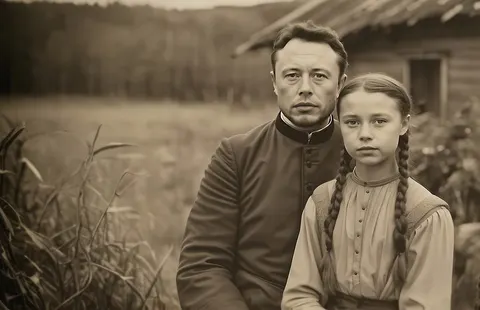
“Who controls the past controls the future,” says a book we all race to quote. And also: “Who controls the present controls the past.” As we delegate more and more of our memory to technology, life will keep getting easier. As we seek our refuge from time in our own bubbles, this will bring us together and pull us apart. But can today's technology change history? Can it cross out and rethink events from the past? Can we harness artificial intelligence for a more objective view of history in all its periods? Why does the past turn out to be an eternal subject of online quarrels? How does the technology of the future change the past… and the other way around?
 26
LatticeFlow: Making Artificial Intelligence Reliable and Safe
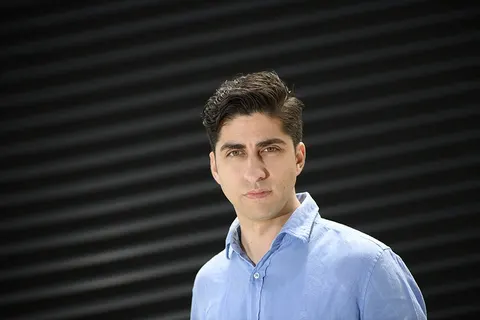
LatticeFlow is impressive not only because it solves fundamental problems in artificial intelligence systems, but because it makes them more secure and safe, issues that grow more urgent with every big headline on the subject. It is also the first high-tech company to position itself next to the INSAIT institute and work closely with it. Even without an official funding round, the startup raised $12 million, part of which will go toward hiring specialists in Sofia. We meet AI expert Dr. Petar Tsankov to talk about building a startup in a field that is only just taking shape, how the team's algorithms help create a new generation of reliable AI across many applications, and the vast prospects opening up for the team that is already working in Sofia.
 27
A Future Without Crime, or a Digital Concentration Camp?
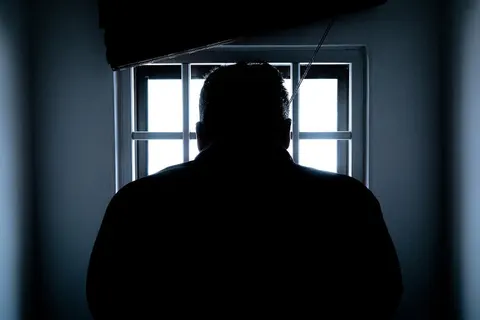
Algorithms, it turns out, can already predict when and where a crime will happen. Countless lives could be saved this way. Humanity could be forced to bid farewell to that age-old dark side of its own—crime. And what about the justice system? In China, some verdicts are already officially decided by artificial intelligence, and its rulings are challenged only when there is serious evidence. Does this mean the end of judicial errors, legal tricks, the imperfections of the field? Will we put John Grisham out of work? Or will we end up in the terrible final scene of a famous novel—a man and a woman are talking when a steely voice behind them says, “You are the dead”? If every crime can be predicted or justly punished, will our lives become incredibly peaceful? Or will we find ourselves in an over-controlled global concentration camp?
 28
“Without Science, We Are Lost!”
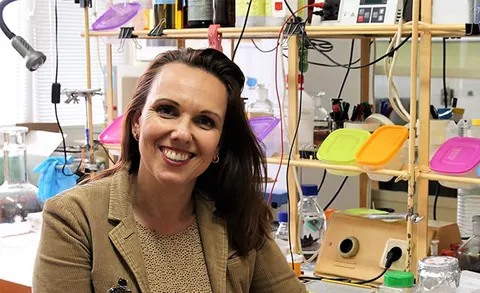
Will science soon let us live much longer? Is immortality possible? Could computers be the next step in evolution? And how do we win back trust in science? Assoc. Prof. Milena Georgieva is a molecular biologist at the Bulgarian Academy of Sciences. She is not only a proven expert in her field but also something far rarer and more precious: a scientist who can present scientific subjects vividly, engagingly, accessibly and, at the same time, competently.
 29
Who's Speaking—a Human or an Algorithm?
It's no news that AI generates images and texts that (we checked!) cannot be told apart from those made by humans. Video still seems to lag behind, but… Can you imagine a voice indistinguishable from a human one reading the news, or calling you on the phone with no chance of you telling the difference—not a cloned voice, but an entirely artificial one, in pure Bulgarian, a language almost impossible for non-native speakers? It's time for a resonant Digital Story, and a challenge awaits you afterward…
 30
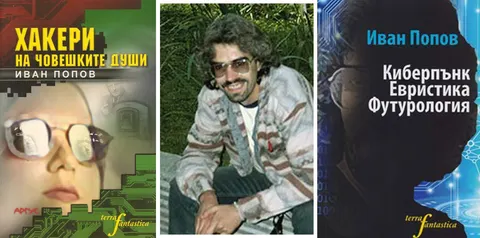
Ivan Popov, the Man Who Caught the Future
“A person’s worldview depends substantially on their information metabolism.” “Man is a bot to man. And bot is man to bot. But what kind of man is the bot? And what kind of bot is man?” Ivan Popov was a master of syllogisms, and much more. He was a writer who left us a small number of works from the beginning of the new millennium. Although he published only one novel in his lifetime, and in a small print run at that, his name remains mythical. Because he presented the future in an inimitable way. He caught the trends, gathered the sparks of knowledge that paint the colorful picture of technology’s tomorrow. He managed to bring science and literature together, so that they could search, shoulder to shoulder, for the human and the superhuman, and catch the trends. Ivan Popov’s messages are powerful, stirring and thought-provoking today, more than ever. My heartfelt thanks to Nikolay Genov, who drew my attention to this remarkable writer, forecaster, journalist and scientist. I believe it is important for his words and his name to reach more people. I will be glad of any support—stories from people who knew him, help in making his work better known, or simply good ideas. Write to me!
 31
(Rock) Stars, Programming and Aliens
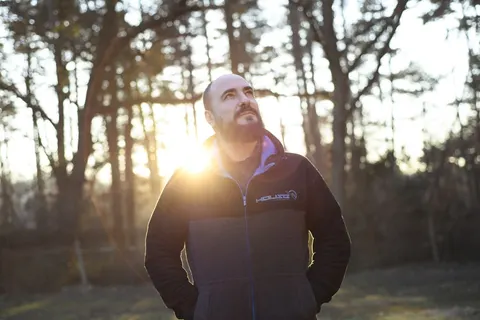
He is a programmer, an astrophysicist with scientific publications and… the drummer of a rock band. A Renaissance man, only from the digital age. We have so many topics to discuss with Chief Assistant Professor Orlin Stanchev, a programmer at Kin + Carta, a lecturer at Sofia University St. Kliment Ohridski, an explorer of distant galaxies and the drummer of the band ALI. Let's not waste any time! How are new stars born in the sky, in science, in music? We will head out into deep space to learn how artificial intelligence can help us get to know the universe. We will talk about how new technologies are fundamentally changing the paradigm of science. We will look for what music, science and programming have in common. Last but not least, we will reflect on aliens and on artificial general intelligence. Which one is coming first? Which one should we worry about more? Lift-off! 10, 9, 8, 7….
 32
How Bulgaria Became No. 1 in the World of Linguistics Olympiads
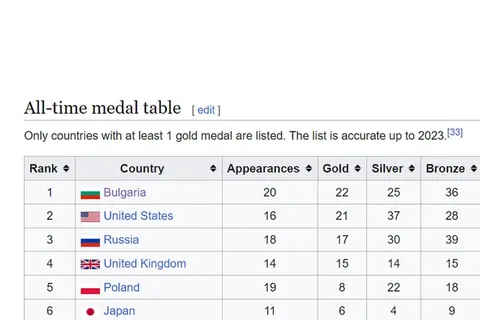
Bulgaria leads the world with the most gold medals from the International Linguistics Olympiad, and after 20 years of these competitions our team is first, ahead of the US, Russia, China and the UK, as Alexander Velinov, the teacher who has stayed close to the team for two decades while teaching and working in the software industry, announced online. How did we get here, what sets good competitors apart, why do wild parties turn out to be a key factor, why don't today's winners listen to music, and what is the unexpected explanation behind the notorious spelling rule of the full definite article?
 33
“In the World of AI, Everyone Can Find Something Exciting”
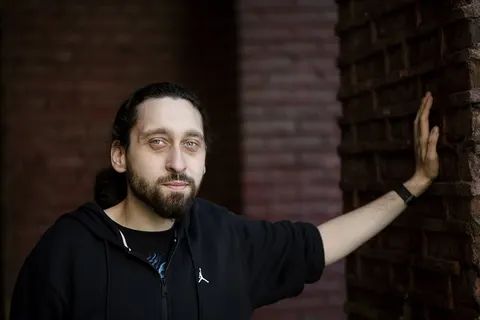
Yordan Darakchiev leads the only program in Bulgaria where, in just a year, you can gain enough knowledge to start working in artificial intelligence. How did Yordan, an astrophysicist by profession, come to create a venture that has now given so many people the fundamentals five times over, and how do its graduates go on to research institutes, to companies like Tesla and Meta, to promising startups, and even to ventures of their own? What does it take to succeed in machine learning, how does this kind of technology help us understand the world we live in, and which directions in artificial intelligence are the most exciting ones to watch?
 34
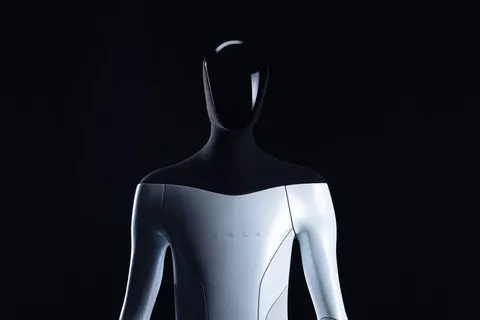
Optimus for Optimists: What Can Musk's Robot Do?
“Very soon, physical work will be a matter of choice,” Musk insists. The first version of Optimus is expected to be unveiled in September—a robot that, according to its creator, has the potential to become a bigger business than even Tesla. The promise is that within two years it will go mainstream and “free” people from a whole range of chores. What else is worth knowing about Optimus?
 35
“AI Is Bringing a Revolution to Photography”
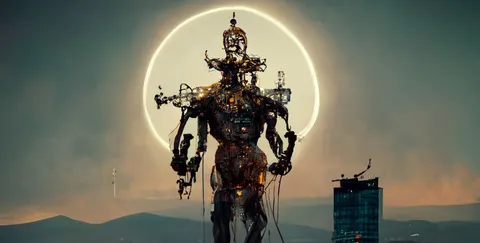
“Photography works with a high level of abstraction and metaphor. I didn’t expect software like this to exist any time soon, but it turns out I was very wrong,” says Ivaylo Petrov. The experienced photographer is among the first enthusiasts to get access to a new artificial intelligence which, he believes, has the power to revolutionize photography and the way we perceive the world. See the wonders the AI painted from the prompts Ivaylo gave it, and read why the photographer is so impressed by what it can do.
 36
DALL·E, Draw Me a Sheep!
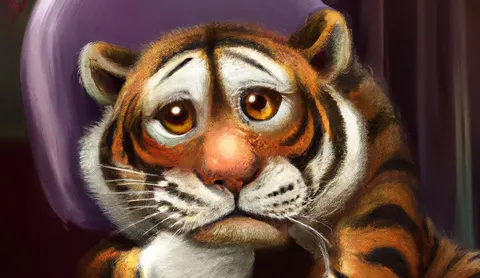
This picture was created by an algorithm. “A tiger anxiously waiting for its dentist appointment,” read the instructions it was given. DALL·E certainly deserves serious attention. It may lack the waxed mustache and the eccentricity of its namesake Salvador, but it does thrilling things. With the help of artificial intelligence it turns a description into an image, and with such precision and creativity! The rest of the examples will leave you amazed…
 37
Singularity: When Computers Become “Smarter” Than Us
Computers keep getting faster and more sophisticated, and at some point they will move beyond our ability to judge them. That point is called the “technological singularity,” and according to Ray Kurzweil, the researcher who popularized it, it will arrive in 2045. Some consider him a brilliant forecaster, others a charlatan. Either way, it is worth asking whether, at such a moment, artificial intelligence will help us solve humanity’s eternal problems—or enslave us…
 38
An Interview in… Short Stories?
Our guest in the Digital Stories Interviews section has a talent for reading the future. Nikolay Tellalov is a beloved writer, and although he has long been an interpreter and connoisseur of technology, he lives at a healthy distance from it. Here is what he has to say in… short stories: digital stories, miniatures that say a great deal in an infinitely small space.