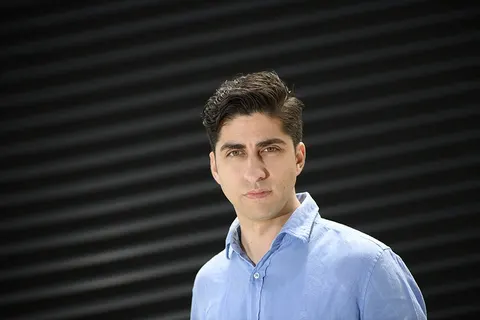
“AI Today Is Redrawing the Boundaries of the Impossible”
LivePerson… A live person? No, this one isn't alive—and that's exactly what makes it interesting. It's the name of an American company with a fascinating software project that relies on a serious team in Bulgaria. Alexander Raychev is the executive director of LivePerson and has years of experience as a manager in IT. From that vantage point, it's interesting to hear where he thinks we stand today with the much-talked-about artificial intelligence. How long will the algorithm remain distinguishable from a “live person”? Beyond all the hype, what are the optimistic and pessimistic scenarios for the development of this kind of technology?
 102
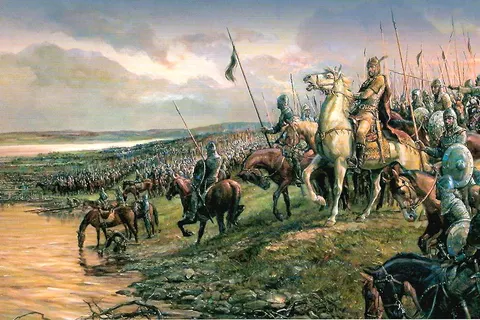
What Is the Origin of the Bulgarians?
Who were the Proto-Bulgarians, and where did our ancestors come from: are we heirs of the Thracians, did we arrive from the distant steppes, or are we Sarmatians? How did genetics become the next great scientific leap, giving us many answers about the past and, in practice, leaving only one theory standing? Historian Assoc. Prof. Dr. Todor Chobanov, author of Proizhodat na balgarite – debatat prez XXI vek (The Origin of the Bulgarians: The Debate in the 21st Century), explains why this question still drags us into fierce arguments a millennium and a half later.
 103
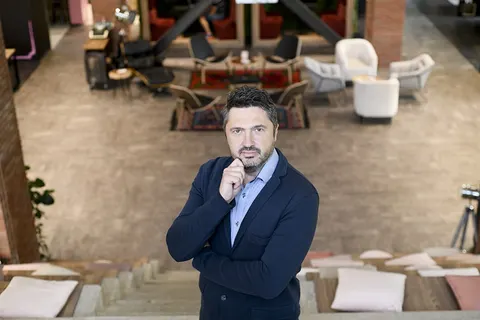
“We Humans Remain Creatures for Whom Owning Things Matters”
When and how will we divide up ownership of the stars? Are we, as a civilization, doomed to be driven by an endless desire to possess? Why is artificial intelligence a powerful tool and, at the same time, a fantasy destined never to become reality? Is it time to bring algorithms into humanity's eternal battle for justice? Prof. Stoyan Stavru, DSc, can immerse himself in subjects we usually find dull, fill them with meaning, explain them in an accessible and engaging way, and find an unexpected angle on topics that matter to all of us. “Challenge the law!” the legal scholar urges on his dedicated website. A graduate in law and psychology, he has a special relationship with technology and many unexpected roles: a certified mountain guide, a teacher of the Japanese martial arts jodo and aikido, host of the podcast Vox Nihili, where you can hear “whispers from the future,” and editor-in-chief of the expert legal system Lexebra.
 104
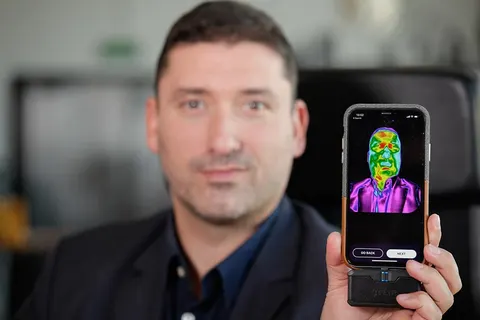
The Selfies That Will Save Lives
A long-underestimated technology, finally come of age, could save many lives. The Bulgarian startup Kelvin Health uses thermal cameras and artificial intelligence to catch tiny changes in body temperature that point to illness long before we feel it.
 105
Virgil Dreamond, Who Now Dreams of Plugging Us Into the Computer
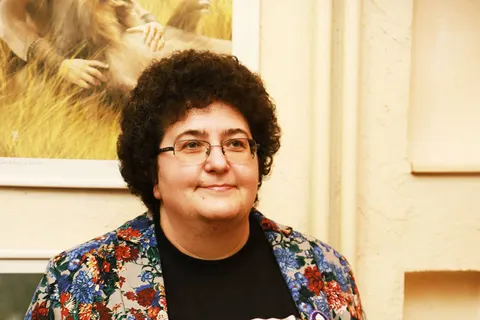
Elena Pavlova has been writing for as long as she can remember. Gamebook fans know her by the pen name Virgil Dreamond, the author of 25 of the masterful reads in this literary phenomenon. Why can’t she wait for the technology that will read our minds, where has science fiction disappeared to, and why did Bulgarian writers and translators end up without money even for bread?
 106
Gatakka, ChatGPT the Psychologist and the Price of Critical Thinking
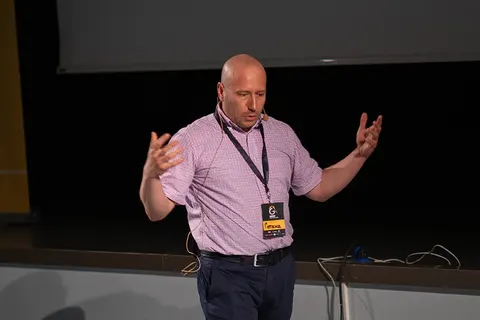
Ivan Vankov (Gatakka), a four-time IBM Champion, longtime tech blogger and author of free tutorials that helped many into software, has worked in machine learning, programming, team leadership, DevOps and blockchain architecture, and is now a freelance consultant to promising ventures. With his vast knowledge and wide view of the trends, he practically sketches the future. What big news is coming after the AI boom, how will machine learning change our attitude to work, and how did ChatGPT turn out to be a remarkably successful psychologist?
 107
“Then Came Electricity, and the Vampires Fled”
Magic is part of life, and if we give it up, we are left with dry, meaningless algorithms for living. But how do we keep from driving it away while we are swallowed by the stream and its deceptive momentum? Byurhan Kerim answers with his debut novel Lavandulovoto momche (The Lavender Boy), which brings together eternal themes and a modern gaze, classic Balkan plots and magical realism.
 108
How Bulgaria Became No. 1 in the World of Linguistics Olympiads
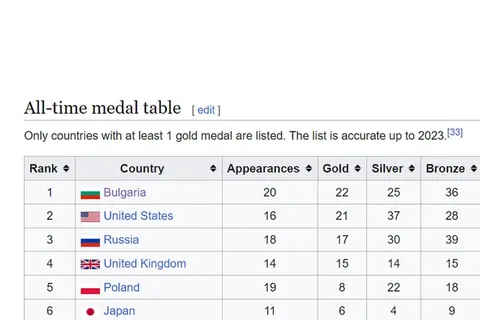
Bulgaria leads the world with the most gold medals from the International Linguistics Olympiad, and after 20 years of these competitions our team is first, ahead of the US, Russia, China and the UK, as Alexander Velinov, the teacher who has stayed close to the team for two decades while teaching and working in the software industry, announced online. How did we get here, what sets good competitors apart, why do wild parties turn out to be a key factor, why don't today's winners listen to music, and what is the unexpected explanation behind the notorious spelling rule of the full definite article?
 109
Where Do Bulgarians Come From—and Why Are We Still Fighting About It 1,500 Years Later?
Where do Bulgarians come from? And why are we still fighting about it 1,500 years later? History is now a different story. But what do historians think? Alexander Moshev is not afraid to provoke on matters of the past, while sticking to the rules of science. The past divides us the way only politics and sports can. Why? Can that change? Today's guest studies both the history of the Bulgarians and the way we try to explain and interpret it today. What does science know today about our origins as a people? Why, so many centuries later, do they become a pretext for “bloody” clashes online? Is the end of history approaching, and how will it be changed by the fact that each of us now leaves behind an enormous amount of data? We will also talk about the parallel “history” being born on the internet. About the forgotten heroes of the past. About how world fame fades and when it is worth seeking a different point of view.
 110
“Now Is the Time to Start Your Own Startup!”
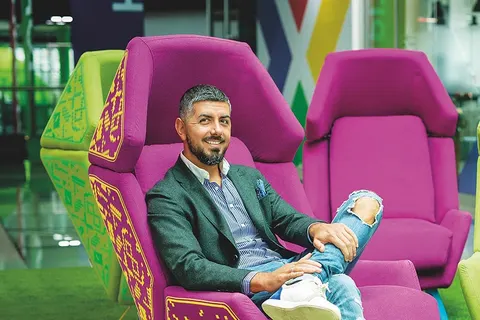
Do you know what it takes to build a startup from nothing and sell it a few years later for more than $37 million? Mihail Stoychev does, and his experience is as inspiring as his drive to persuade more people to launch their own projects in the world of information technology. Why is today the best moment to start, how did NitroPack become a Google partner serving more than 200,000 websites, and why does speed matter so much online, both for websites and for making important decisions?
 111
The Teacher Who Was Never a Pupil
Can a child get a more meaningful education without ever crossing a school's threshold? Bozhidar Marinov is a remarkable young man: only 22, he already has 15 years of programming experience, leads the curious Comrade Cooperative and works on promising blockchain projects. He has never been to school because he was homeschooled, he won a string of programming contests before being barred for being outside the traditional system, and now he teaches the next generation of kids and has written a historical novel about the past of the Rhodope Mountains.
 112
Hello, Cobot!
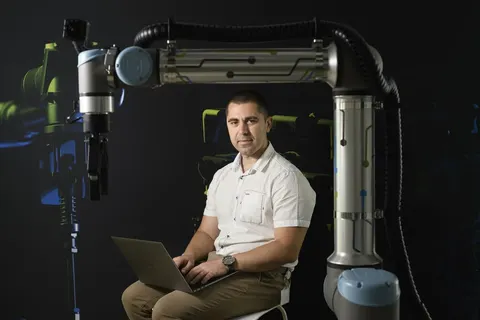
“A robotic assistant bakes moussaka in the oven while hanging out the laundry from the washing machine…” Doesn’t sound bad at all, does it? While we were still getting used to the idea that a vacuum cleaner could be a cute, round robot… it has been roaming our homes for years, mapping the rooms and saving us from the dust. Might the same thing happen with the next everyday innovations? Very soon, on August 26, software engineer Zhivko Petrov will show us “firsthand” why a robotic assistant may arrive sooner than we expect. He is one of the speakers at the annual DEV.BG All in One event, which brings the IT community together with guests who sketch out the big topics. Zhivko will be there shoulder to shoulder with Mara the robot. Before that, it is time for a few important questions about the future of robotics. For Zhivko, and for the mechanical lady he is bringing along…
 113
Gaddafi and Zuckerberg Walk into a Bar…
What do Mark Zuckerberg and Muammar Gaddafi have in common, and is travel still worth it now that we can see everything online? Georgi Milkov, a journalist who once went to a bar with Vladimir Putin in the middle of Sofia, talks about the riches of technology and what it takes away from us.
 114
“Online, a Little Paranoia Is Healthy”
Can artificial intelligence put an end to the eternal game of cops and robbers? Is complete security online even possible, and is it true that our part of the world breeds remarkably good hackers? Petar Kirkov, the Bulgarian sheriff in today’s online Western, has spent more than 20 years in cybersecurity and is now the national coordinator in the field.
 115
The Mamnik Lurks Online, Too
“Mamnik”—such a melodious, expressive word. And lately, much more than that. The fearsome mythical bird of Bulgarian folklore took flight as an audio series on Storytel and then carried on as a novel on paper. If you have yet to read (or hear) the book, I envy you. In it, Vasil Popov shows how Bulgarian folklore can be told in a modern, gripping, thrilling way, with taste and literary skill. We invite the mamnik to our conversation, too, as a vivid character and a powerful metaphor: the terrifying bird that is almost immortal and whose feathers keep changing color. Why do we so rarely manage to turn the stirring images and stories of Bulgarian folklore into art? And why, at the same time, do legends from distant times feel so close to us? Where is the thin line between patriotism and flag-waving jingoism? Here is what Vasil Popov and I had to say about it.
 116
“Maybe Nihilism Is Written into Our Genes?”
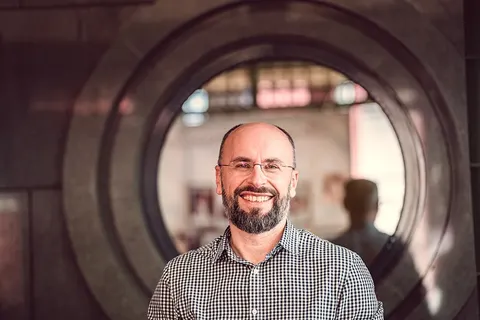
Ivaylo Kunev tells inspiring stories from the Bulgarian past in a magical way… So how did we end up with the words in the headline? Leaders, the people who know how to change the world, to lead, to build, to persuade. They are the big theme of today's guest, who has spent more than a decade designing and running leadership programs. Ivaylo has impressive managerial and entrepreneurial experience that spans decades. At the same time, he knows how to tell a story—his tales of strong personalities draw a huge number of fans. He is the author of the book Liderite: zabravenite istorii na Balgaria (The Leaders: Bulgaria's Forgotten Stories). Leadership. The subject is so heavy in our part of the world, and in the times we live in generally. So it is time to look for the hard answers. Is it worth collecting the stories of politicians, entrepreneurs and… khans? Why do we find it so hard to form a political elite and to have authentic leaders as a nation? What would Tolkien have written if he had been Bulgarian? How can Bulgarian history become a personal adventure and offer inspiring examples that help us make our dreams come true?
 117
Dr. Raychev, the Man Who Gave Google Koprivshtitsa
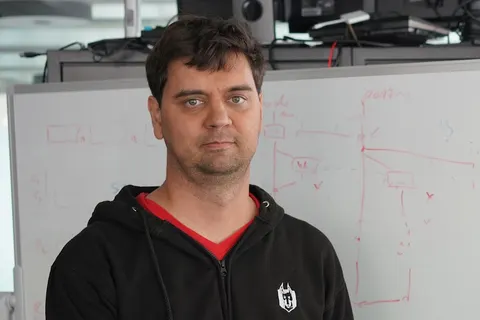
Dr. Veselin Raychev is the only Bulgarian whose doctoral thesis ranked among the world's top three of the year across all of computer science, and with it he launched a field now booming: AI that writes code. A former Google engineer whose algorithms still route us through Google Maps and the founder of DeepCode, he talks about the AI hype, the decisions that matter and why he still cares so much about Bulgaria.
 118
“It’s Not Loanwords That Erode the Foundations of a Language”
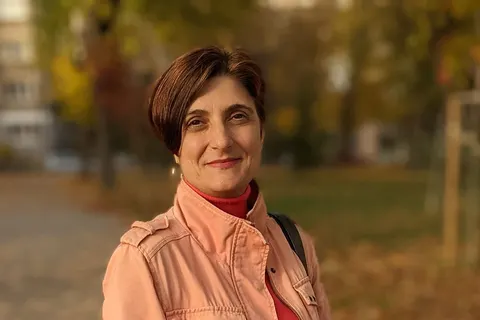
Kak se pishe? (How Do You Spell It?) is a website that has become hugely important to life online, where its creator, Pavlina Varbanova, gives volunteer advice on spelling, grammar and punctuation in all their nuances. Our first conversation is still the most-read story on Digital Stories, so on the eve of May 24, the day Bulgaria celebrates its alphabet and culture, we meet again to continue it. We talk about the words that shape us and how we treat them, about the holiday and its sometimes false pomp, about words turned into weapons and the technologies that give them enormous power to destroy.
 119
“Money Is a Poor Master. It Has to Serve Higher Purposes”
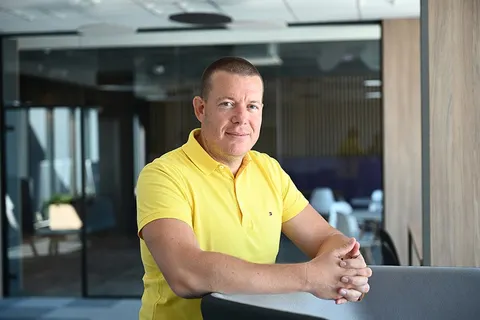
“Happiness is a state, but not a goal. It is a conscious choice.” Atanas Simeonov is a proven entrepreneur in many unexpected directions, who has gradually added the digital world to his traditional offline ventures. Digital Stories has hosted engineers, writers, even a priest and a conductor, but this is the first time the guest is someone who has made entrepreneurship itself his calling, and, through the Endeavor platform, a means of changing the world around him. Where would he start if he were starting today? Can entrepreneurship be learned, or is it a matter of luck or talent? Is artificial intelligence a good direction for investment, and is it the field that will let Bulgaria achieve real success? Where is happiness, and why are billionaires so often missing it? When will we learn to value our health and take care of it?
 120
LatticeFlow: Making Artificial Intelligence Reliable and Safe
LatticeFlow is impressive not only because it solves fundamental problems in artificial intelligence systems, but because it makes them more secure and safe, issues that grow more urgent with every big headline on the subject. It is also the first high-tech company to position itself next to the INSAIT institute and work closely with it. Even without an official funding round, the startup raised $12 million, part of which will go toward hiring specialists in Sofia. We meet AI expert Dr. Petar Tsankov to talk about building a startup in a field that is only just taking shape, how the team's algorithms help create a new generation of reliable AI across many applications, and the vast prospects opening up for the team that is already working in Sofia.